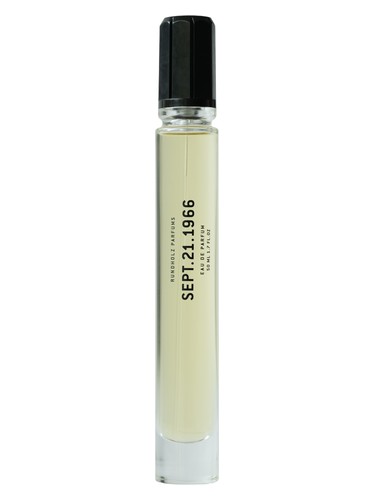
SEPT.21.1966
Fragrance notes

Character
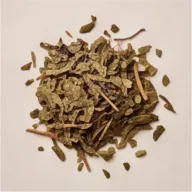
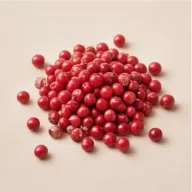
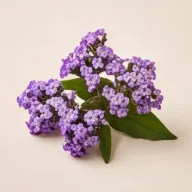
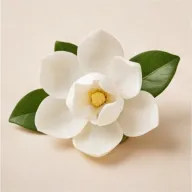
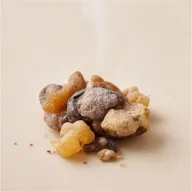
Rundholz’s SEPT.21.1966 opens with a startlingly tart rhubarb, its green bite softened by a dusting of mate leaves and a prick of pink pepper. The effect is brisk and almost edible, like slicing stalks over a cup of herbal tea. As the heart emerges, heliotrope and magnolia arrive not as creamy blooms but as powdery, almond-tinged whispers that cling to the skin. The base is where this fragrance asserts its character: incense and oud smoke through the floral haze, dry and resinous, never tipping into sweetness. One vivid image captures it whole: a linen blazer left overnight in a cedar-lined attic, found the next morning draped over a forgotten bouquet of white flowers and a cold ashtray.
This is a strictly moderate scent in performance. Longevity nudges four hours, sillage sits close to the wrist, so don’t expect a room-filler. The composition feels natural in its greenness yet distinctly niche in its refusal to pander. It suits anyone who appreciates aromatic restraint over sugary projection, especially those who want a fragrance that works as well for a fall afternoon coffee as for a humid spring evening. Skip it if you demand a loud, gourmand trail or if powdery florals make you sneeze.
Wear it when you need a grounding layer, not a statement. Daytime is its home, but the smoky base gives it enough spine for a quiet dinner. That the votes peg every season as viable tells you something: this scent is a wardrobe staple, not a spectacle. It earns its solid rating by being uncommonly wearable without ever being boring.
Smells similar
We matched these by the notes each one lists, giving more weight to the unusual ones they share. Sharing materials does not make one a copy of the other.