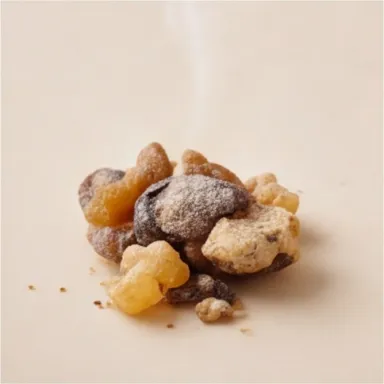
Incense
Dry, smoky aromatic wood with a resinous, church-like warmth.
You may know it from burning incense sticks or church incense
Where it comes from
Natural resins and woods, often combined with synthetic smoky and resin-like materials.
Worth knowing
It describes a burning scent style, not one single ingredient.
About incense
Incense is a category of aromatic plant material that gives off fragrant smoke when burned, and the plants change with the tradition. North American incense leans on sage and cedar, Chinese incense on cinnamon, cassia, styrax and sandalwood. The earliest documented use is tied to ancient Nubia, with evidence dated to about 3300-3000 BCE.
The smell most people mean is olibanum, which is frankincense. Churches have burned it for centuries, and a Dazed article describes the ritual as symbolising prayers rising to heaven. In 2016 a team found two odorants in frankincense, cis- and trans-olibanic acids, and both smell of an old church. The Snifftest points out that the smokiness of a censer comes from the burning itself. Raw olibanum is fresher and more citrus-pine, so an olibanum listing does not promise a cathedral. About 90% of the world's frankincense comes from the Horn of Africa.
In a perfume, olibanum oil opens green, terpenic and lemon-like, turns peppery in the heart and settles into a resinous, amber-like base. The solvent-extracted resinoid, refined by molecular distillation, is sold as a spicy incense material. Perfumers lighten the heavy resins with elemi, which smells of sharp pine and lemon, and reach for labdanum, the main material behind the amber note.
A perfumery glossary keeps smoke and incense apart. Smoke is the smell of combustion, volatile phenols hanging in warm air, while incense is balsamic and aromatic; the two are often used together. Cade oil, a dark oil with a strong smoky smell, is one natural source of the smoke, and the same glossary names guaiacol, syringol and isobutyl quinoline among the synthetics. A Bois de Jasmin critic writes that incense with citrus turns sparkling and fresh, and with smoky woods somber and dark.
Comme des Garçons Series 3: Incense is a set of five scents named for Avignon, Jaisalmer, Kyoto, Ouarzazate and Zagorsk. One writer calls Avignon, from 2002, groundbreaking and says incense soliflores have grown in popularity since. Bois de Jasmin calls Avignon the darkest of incenses. Armani Privé Bois d'Encens is the other benchmark that critic cites, described as cedarwood, frankincense, citrus and pepper.
Accords it shows up in
How many of the fragrances listing Incense in our catalogue also carry each accord. We counted this ourselves.
Often paired with
The notes that appear next to Incense most often in our catalogue.










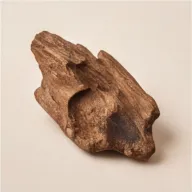
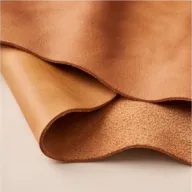
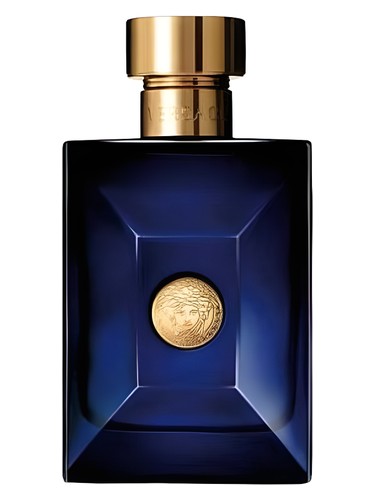
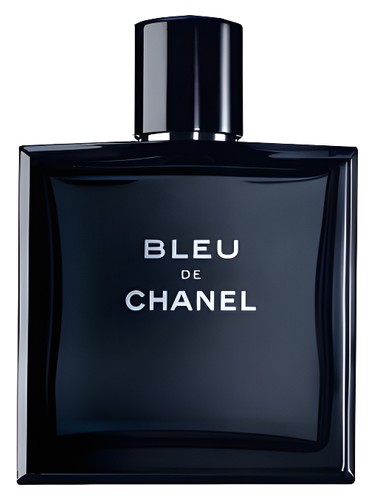
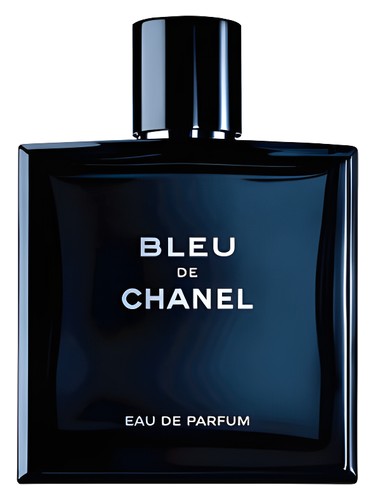
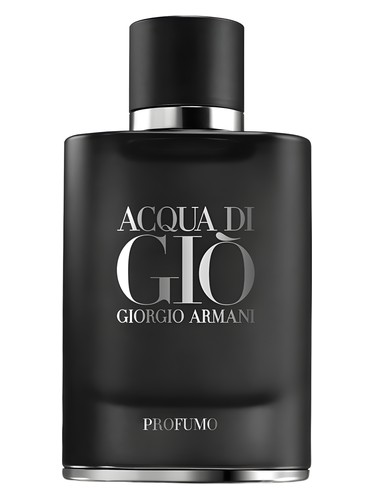
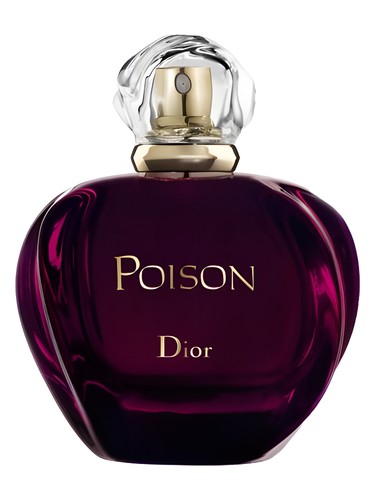
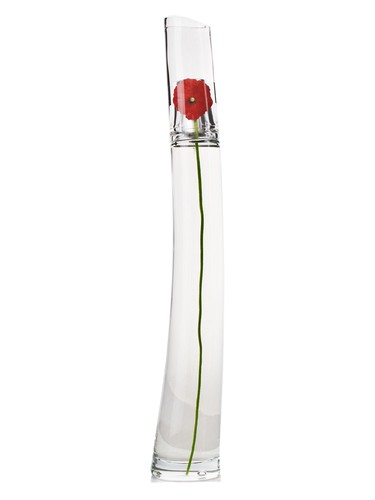
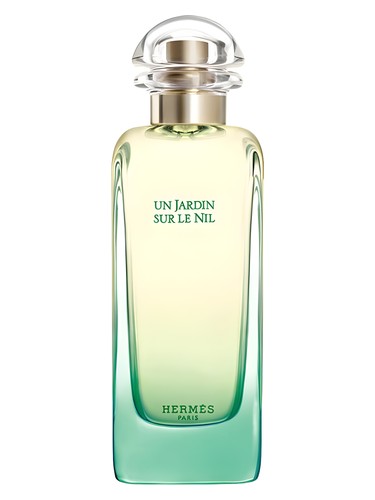
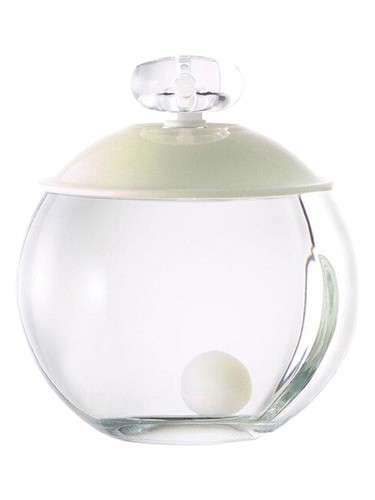
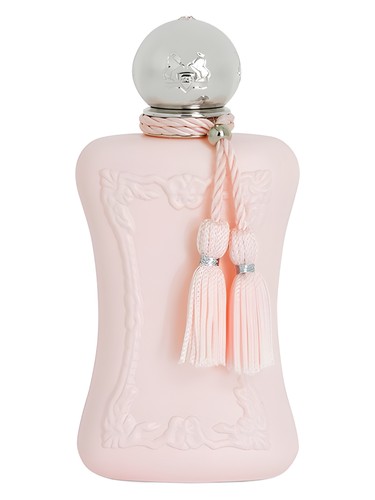
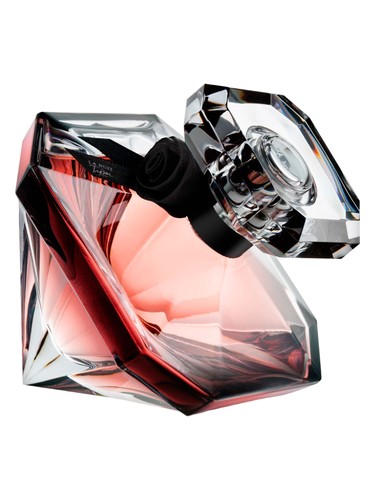
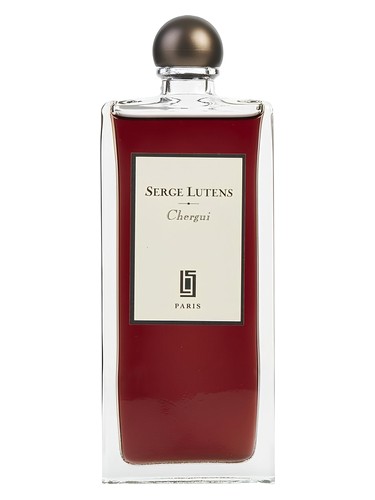
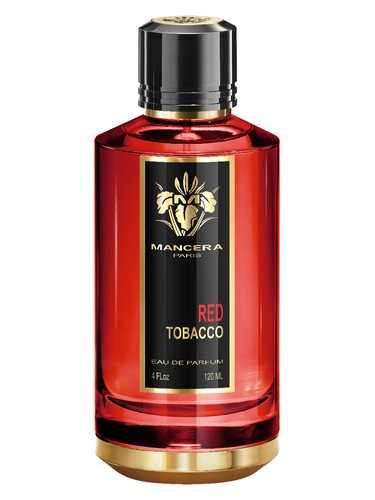
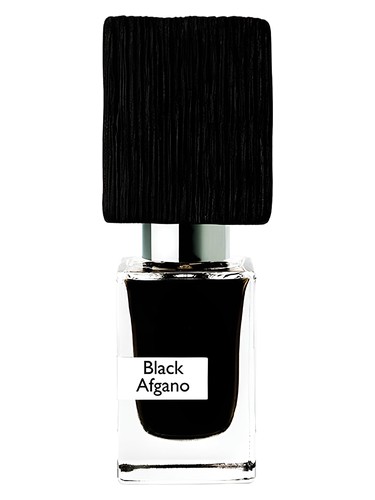
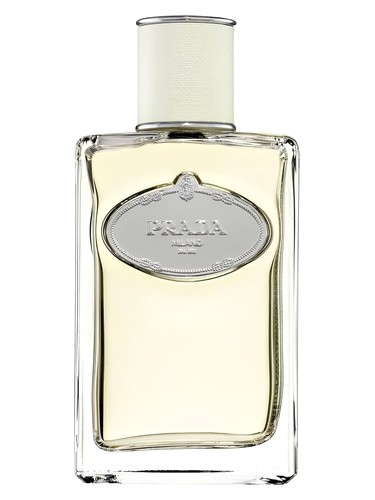
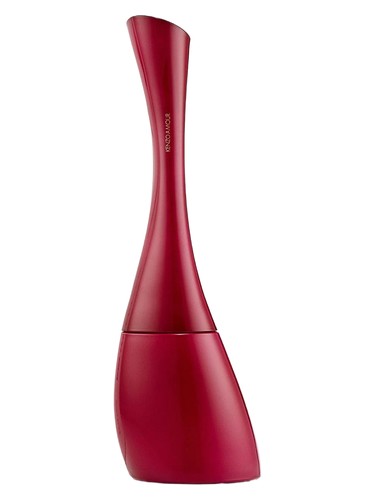
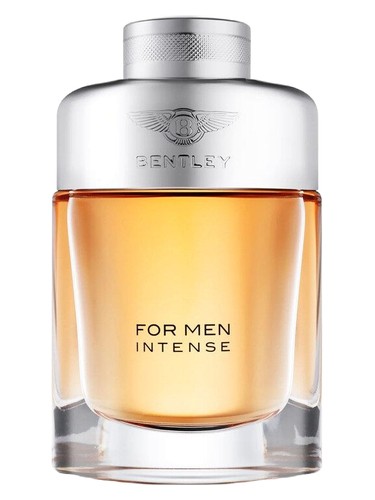
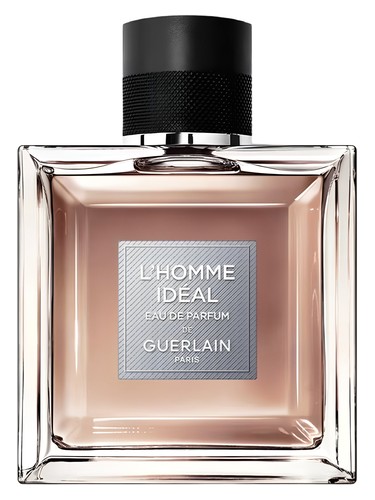
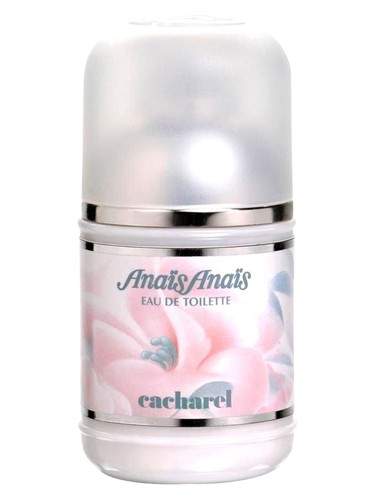
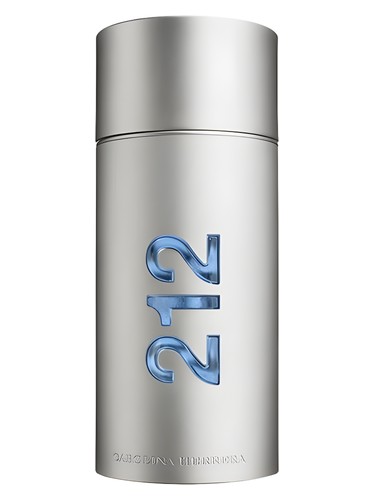
Well-known fragrances with Incense
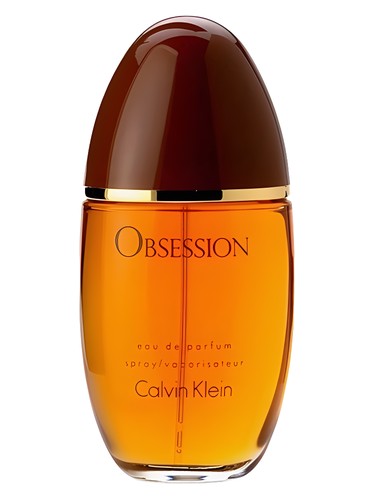
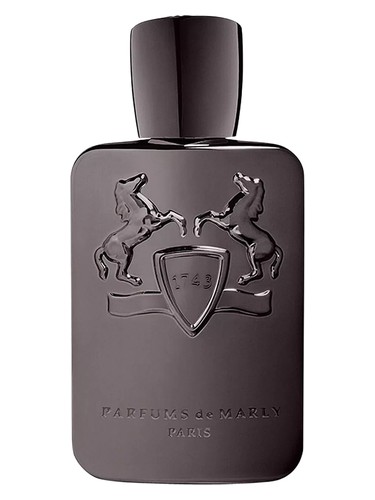
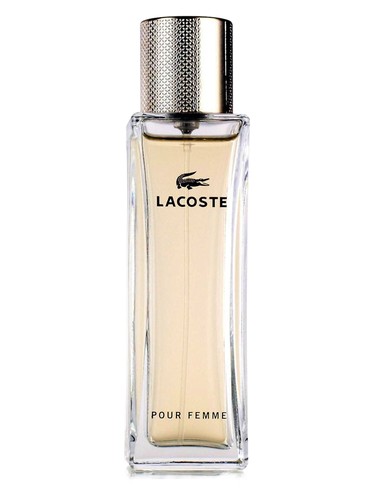
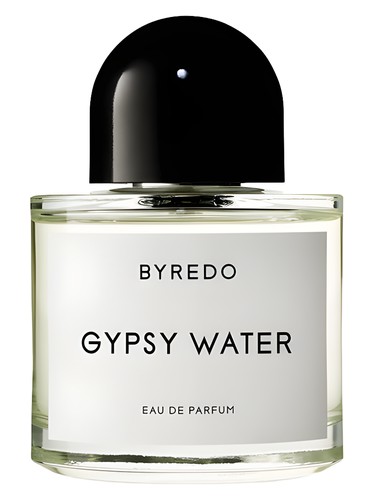
Fragrances that list it in their notes, most-rated first.
Houses that use it most
Ranked by how many of their well-known fragrances list Incense.