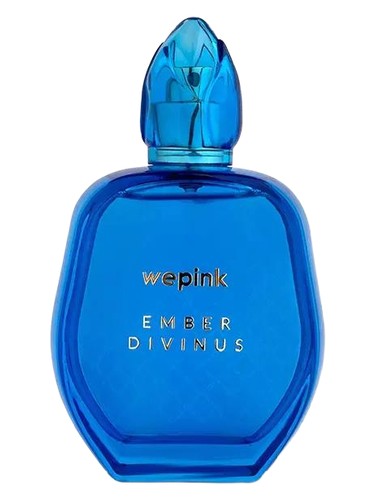
Ember Divinus
Fragrance notes


Character
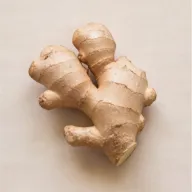
Ember Divinus is for the person who wants a tropical summer in the middle of a gray workweek. It argues for itself immediately through its opening, where lemon and mango do not arrive as a soft greeting but as a bright, insistent demand for attention. The ginger here is the key to the whole argument. It slices through the juicy sweetness of the mango, ensuring the fragrance feels like a sharp, invigorating drink rather than a heavy floral syrup. This combination makes a case for wearing it when you need an energetic reset, turning a mundane afternoon into a deliberate escape to a sun-drenched coast.
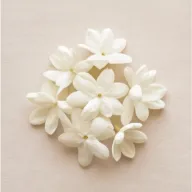
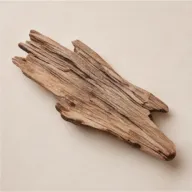
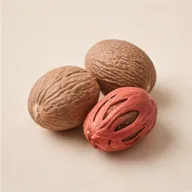
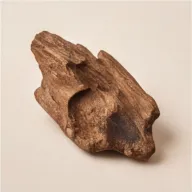
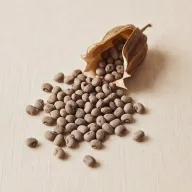
The argument continues as the scent settles, pivoting from bright fruit to a warmer, more sophisticated texture. Jasmine and nutmeg step in to complicate the ginger, moving the fragrance away from a simple daytime splash and toward something with more presence. The driftwood note is what anchors the whole composition, preventing the sweetness of the mango and lemon from becoming cloying. It introduces a dry, saline quality that mimics the feeling of hot sand and warm salt air. This balance of spicy heat and woody dryness is where the fragrance establishes its identity, proving it can handle a transition from a casual morning to a more composed, professional setting without losing its distinct character.
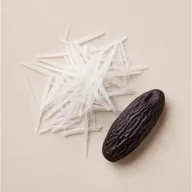
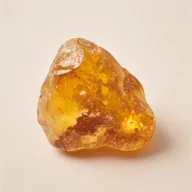
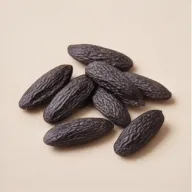
This is the scent equivalent of sunlight hitting a polished wooden deck. It captures that specific moment where the heat is at its peak and the air feels thick with the scent of fruit and warm resin. By the time the base notes arrive, the oud and amber have merged with the remaining spice to create a finish that feels golden and slightly resinous. Ember Divinus wins you over by refusing to choose between a refreshing citrus and a deep, woody amber. It wears its duality openly, offering a bright, optimistic start that matures into a warm, steady glow, perfectly suited for anyone who refuses to let the day dictate their mood.
Smells similar
We matched these by the notes each one lists, giving more weight to the unusual ones they share. Sharing materials does not make one a copy of the other.