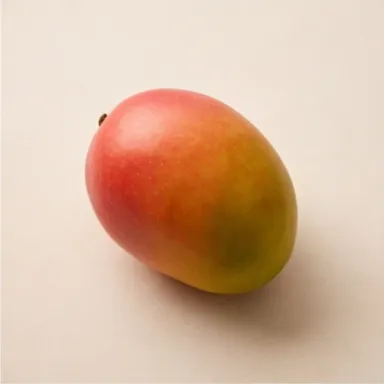
Mango
Juicy ripe mango flesh: sweet, tropical, peachy and slightly resinous.
You may know it from a freshly cut ripe mango
Where it comes from
Built from aroma chemicals, sometimes with natural fruit extracts.
Worth knowing
Mango scent is usually reconstructed; the fresh fruit itself yields little usable perfume oil.
About mango
One perfumery guide points out that mango is often assumed to be a base note. It normally works as a top or heart note instead. Volatile esters flash off first, and heavier lactones carry the fruit into the heart.
The fruit comes from Mangifera indica, a tree native to the northeastern part of South Asia, in Bangladesh, northeastern India and Myanmar. Cultivars differ strongly in what they smell of. A study of 25 of them found terpene hydrocarbons to be the most abundant volatiles, with terpinolene, 3-carene, caryophyllene and alpha-pinene leading depending on the variety. New World types are rich in delta-3-carene, while Old World types show more (Z)-ocimene and myrcene, plus lactones and furanones. In one Philippine cultivar, beta-myrcene alone made up about 59% of the volatiles. Alphonso stands apart for the lactones and furanones, furaneol and its methyl ether mesifuran among them, that build up in the ripe fruit.
Ripeness shifts the balance too. In cut or stored mango, terpenes such as pinene, limonene and ocimene dominate early. Esters like ethyl butyrate accumulate next, and C6 aldehydes add green, fatty notes later on. Two cultivars in the same study ended up in different places, with Tainong staying grassy while Hongyu turned fruity and sweet.
In perfumery the note is built rather than pressed or distilled from the fruit. Perfumers combine specific esters and lactones to reproduce the juicy, tropical effect. One guide names ethyl butanoate, delta-3-carene, myrcene and gamma-octalactone among the molecules in a mango accord. A natural blend does exist: Givaudan made one exclusively for Perfumer's Apprentice, described as a fresh ripe fruit scent with a slight green aspect.
The peel, leaves and stems of the tree contain a resorcinol that cross-reacts with the urushiol of poison ivy. That allergen appears to be negligible in the flesh of the fruit.
Accords it shows up in
How many of the fragrances listing Mango in our catalogue also carry each accord. We counted this ourselves.
Often paired with
The notes that appear next to Mango most often in our catalogue.











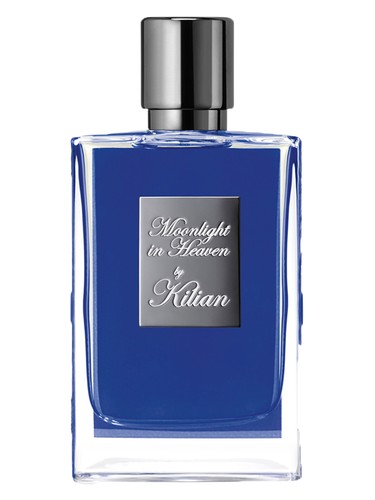
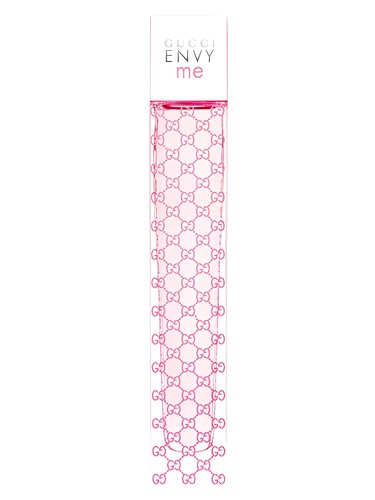
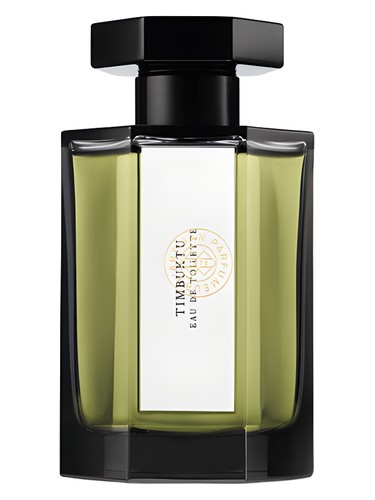
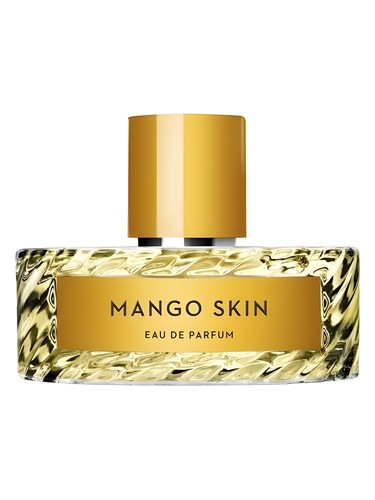
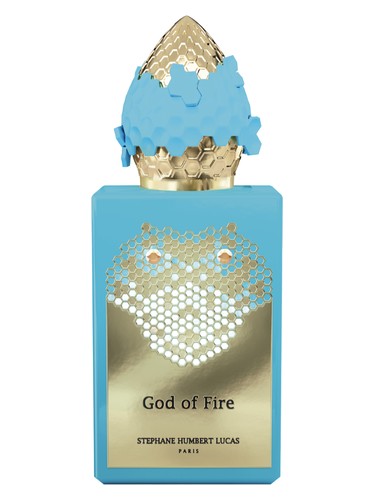
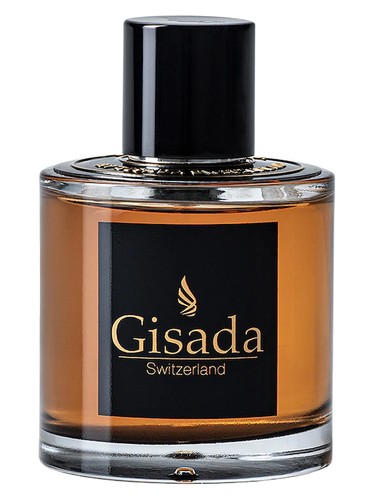
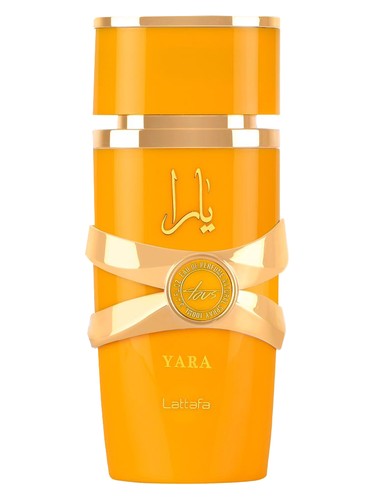
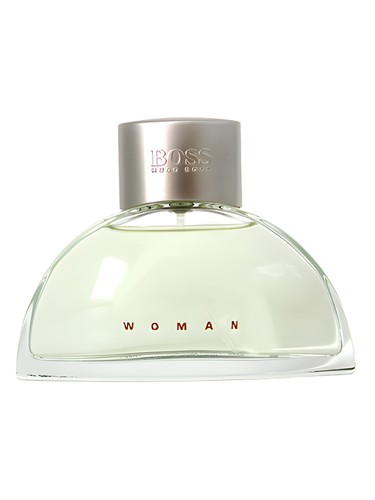
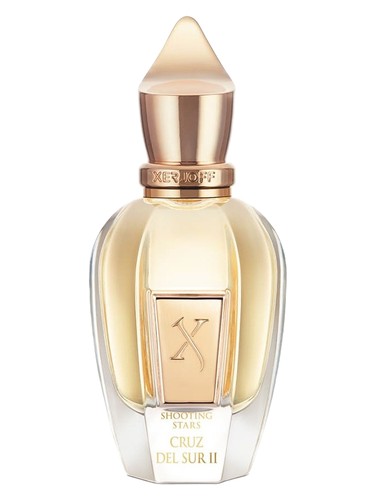
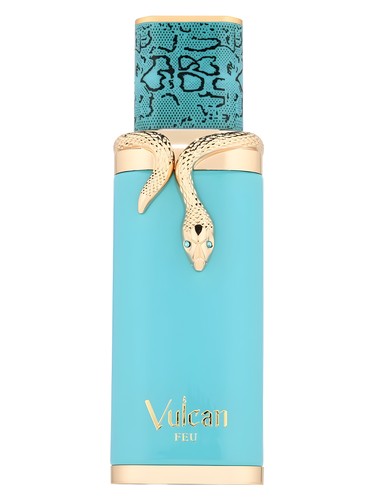
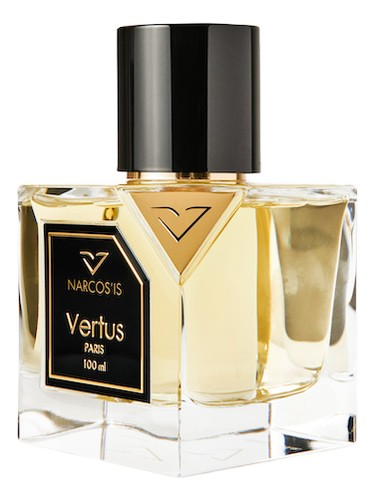
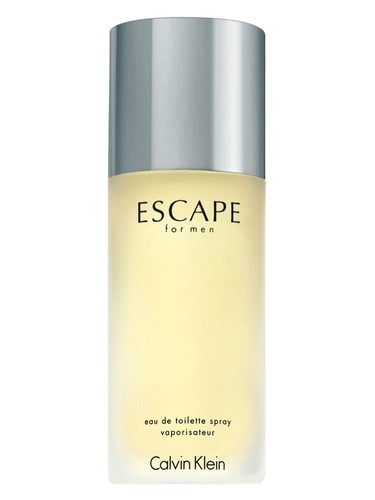
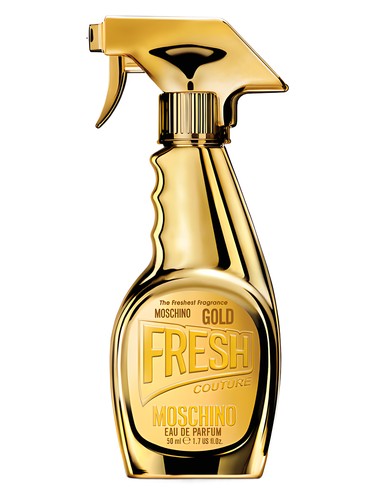
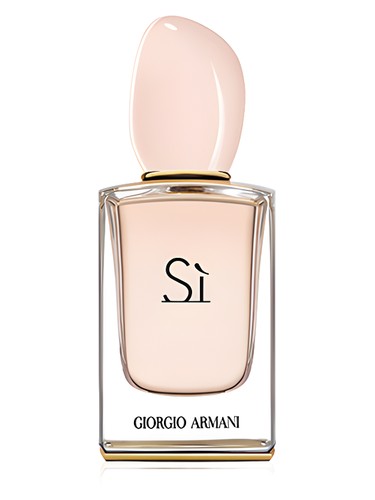
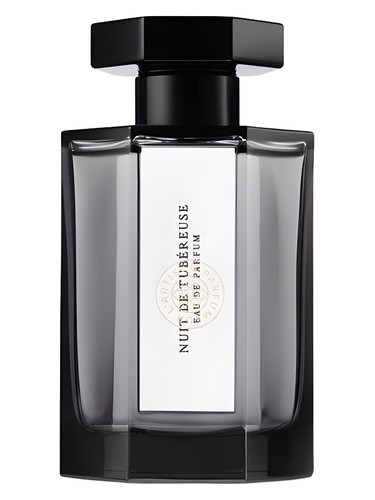
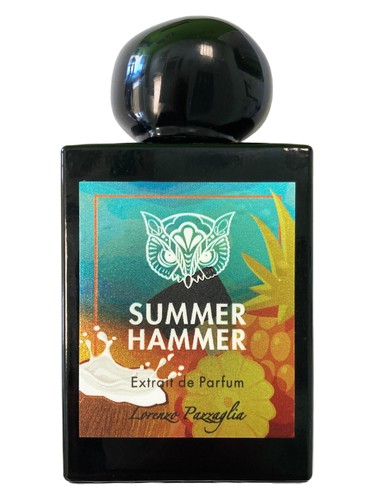
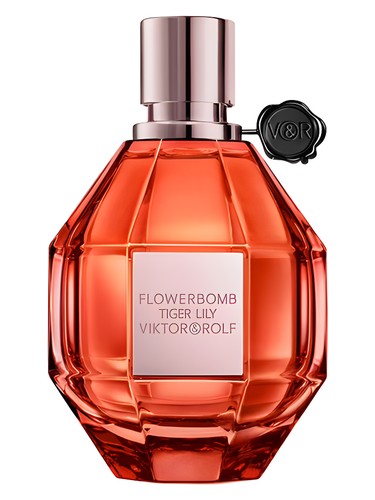
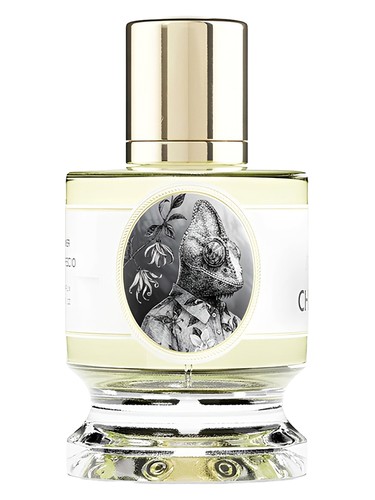
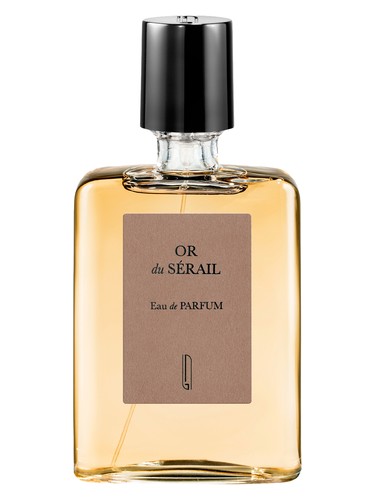
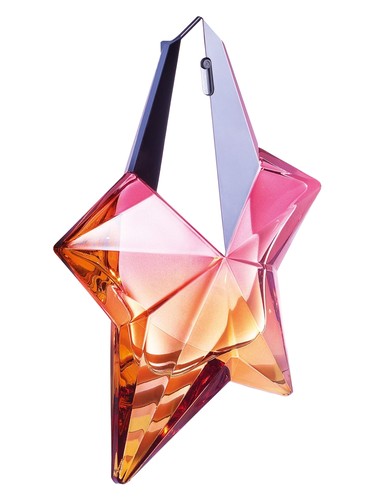
Well-known fragrances with Mango
Fragrances that list it in their notes, most-rated first.
Houses that use it most
Ranked by how many of their well-known fragrances list Mango.