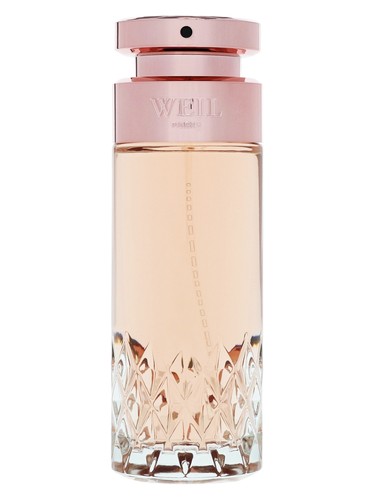
Kaos
Fragrance notes






Character
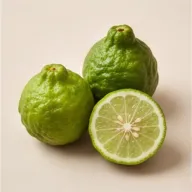
A woman walks into a sunlit café, the kind where the windows are flung wide and the scent of crushed mint and espresso floats through the air. She takes a seat at a small metal table, placing a woven bag down as she laughs at something her friend says. The air around her feels bright and effortlessly styled without trying too hard. You notice the fragrance before you see the bottle on the table. It opens with a rush of red fruits and sorbet, a sharp, icy fruitiness that immediately feels like a treat you can wear. Lemon and bergamot cut through the sugar, adding a clean, yellow brightness that keeps it from becoming heavy. It smells like a pear dropped into a glass of sparkling water.
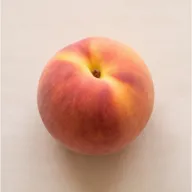
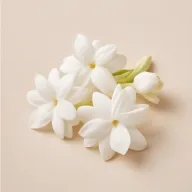
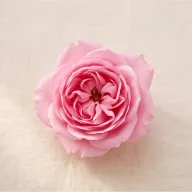
As the morning goes on, the scent settles into a soft, floral heart. Peach and jasmine sambac blend together, creating a smooth, creamy texture that sits close to the skin. The rose here is not the stiff, formal kind found in older perfumes. It is fresh and dewy, adding a gentle lift to the fruit. It feels like a second skin, a clean layer of warmth that suggests she just stepped out of a shower and into a silk dress. The sorbet note lingers, now softer, mingling with the white floral accords to create a smell that is both comforting and distinctly modern. It is a fragrance that fits into the rhythm of a lazy Saturday.
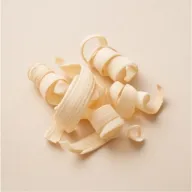
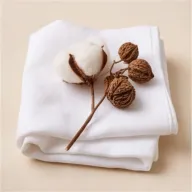
The drydown reveals a different side of Kaos, one that is grounded and a bit more serious. White woods and moss creep in, giving the scent a cool, green edge that prevents the praline and white musk from becoming too cloying. It is a clever trick, balancing the sweetness of the top notes with a base that feels almost like clean linen and damp earth. The powdery finish is soft, never overwhelming, leaving a trail that feels intimate and personal. It is the smell of a woman who knows exactly what she likes, choosing a scent that is playful in the sun but quietly complex as the day wears on, a beautiful contradiction that stays with you long after she has left the café.
Smells similar
We matched these by the notes each one lists, giving more weight to the unusual ones they share. Sharing materials does not make one a copy of the other.