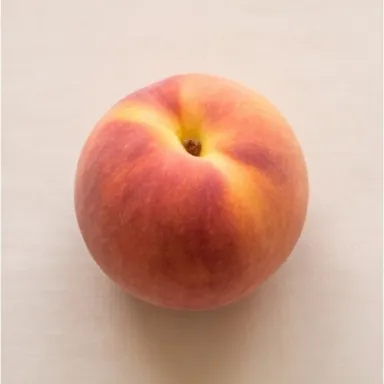
Peach
Juicy ripe peach flesh with soft fuzzy skin and a sweet, creamy fruitiness.
You may know it from A ripe peach
Where it comes from
Usually built from aroma chemicals because peaches yield no practical perfume oil.
Botanical name: Prunus persica
Worth knowing
Usually an accord, not extract from fresh peach juice or flesh.
About peach
Peach in a perfume is assembled from molecules. The trade supplier Scentspiracy says natural stone-fruit extracts tend to be unstable, reactive with oxygen or too costly, so peach bases are built around lactones, which are cyclic esters. The one at the centre is gamma-undecalactone, an 11-carbon molecule sold as Aldehyde C-14. ScenTree points out that despite the name it is a lactone.
Suppliers describe it as ripe peach and apricot with creamy, fatty, coconut shadings, and one calls it warm and oily, without aldehydic pungency. ScenTree finds it slightly more aldehydic than gamma-decalactone, a close relative. Its two mirror-image forms differ, with the (R) form peachy and the (S) form more aldehydic, and perfumery uses the mixture of both. It is made synthetically, and ScenTree gives one route, the free-radical addition of 1-octanol to acrylic acid. Sources date its discovery differently, 1905 in one and 1908 in another, where Scentspiracy credits the Russian chemists Jukov and Schestakow.
The perfume most often tied to C-14 is Mitsouko. Bois de Jasmin states that Jacques Guerlain used it in 1919 to give the composition a soft, glowing quality. Mitsouko is classed as a fruity chypre, with peach in the heart over vetiver, oakmoss and labdanum, and Bois de Jasmin calls it the most famous offspring of Coty's Chypre. Scentspiracy says the contrast of peach against moss was established with this molecule, and Cafleurebon hears a fatty, waxy stone-fruit feel tinged with coconut. The 1919 version is kept at the Osmothèque, while the commercial perfume has been reformulated.
Femme, made by Edmond Roudnitska for Marcel Rochas in 1944, belongs to the same family. Now Smell This calls it a peachy chypre, with plums and peaches over an animalic chypre base.
Gamma-decalactone, another peach lactone, occurs in fruit only in trace amounts, so material sold as natural is made by fermentation. Gamma-undecalactone itself is not restricted under the IFRA 51st amendment.
Accords it shows up in
How many of the fragrances listing Peach in our catalogue also carry each accord. We counted this ourselves.
Often paired with
The notes that appear next to Peach most often in our catalogue.










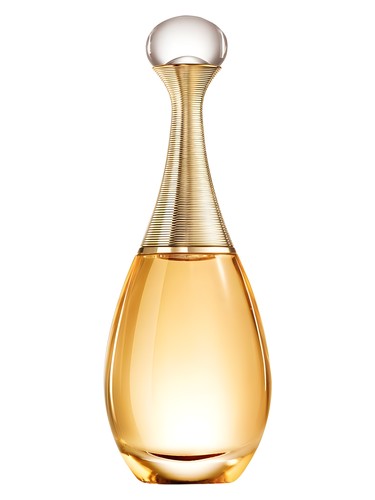
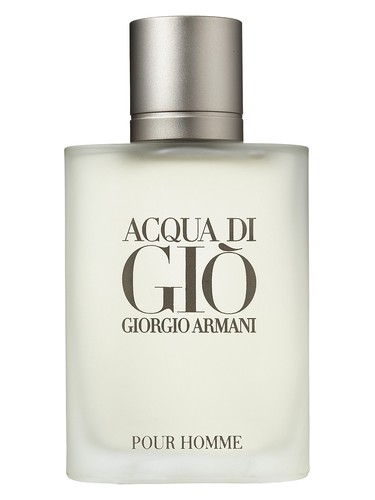
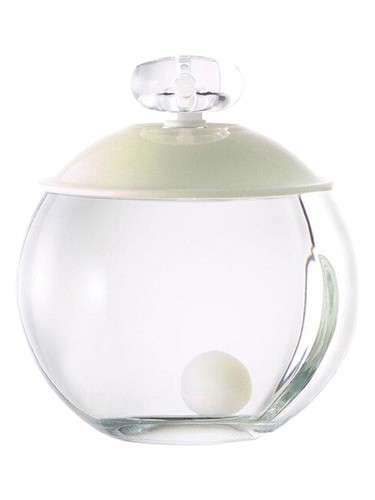
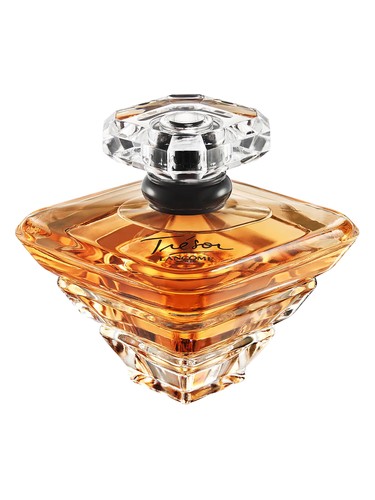
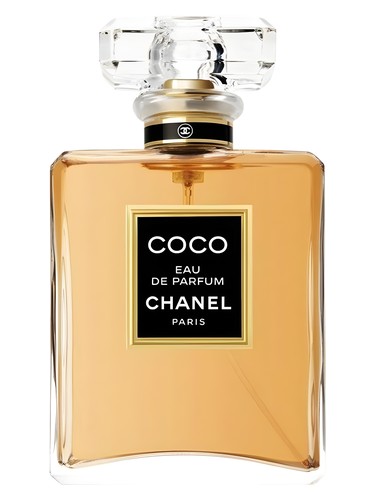
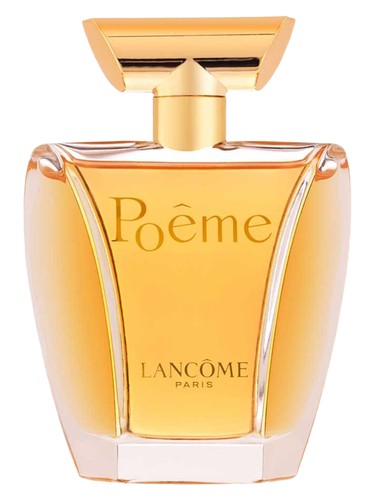
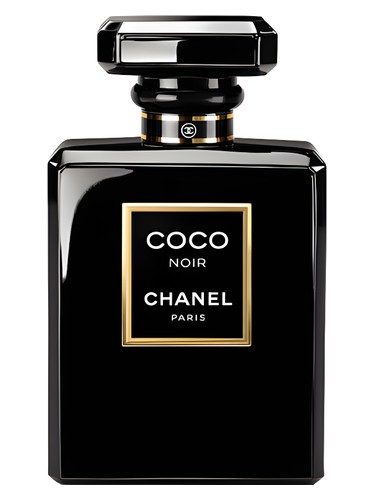
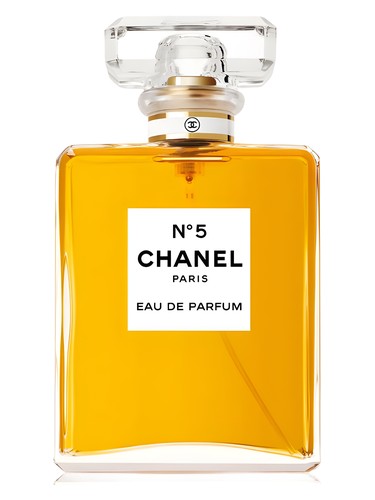
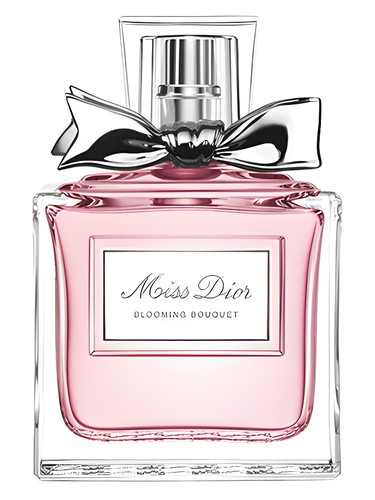
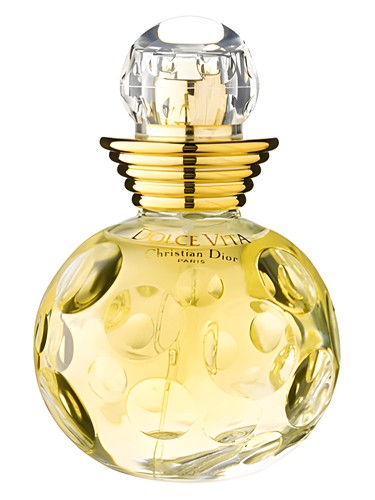
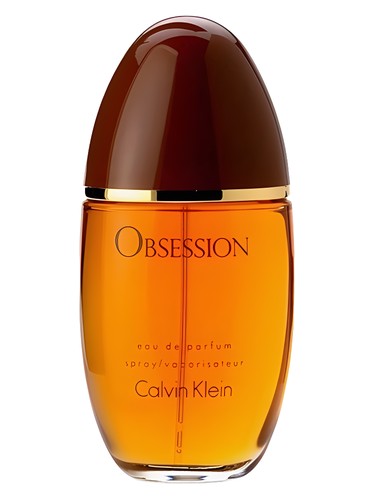
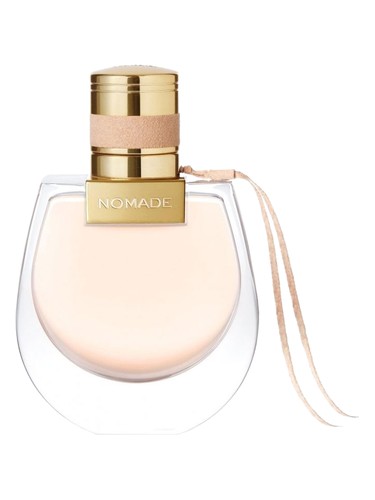
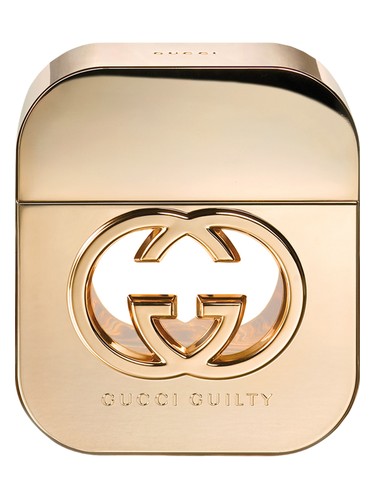
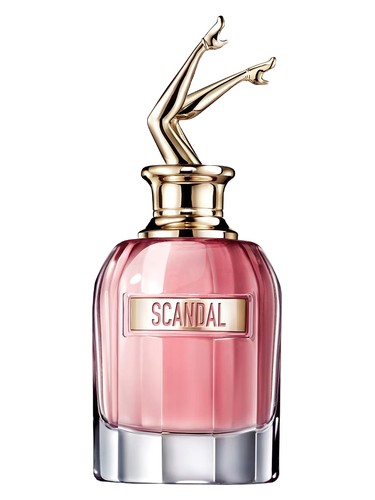
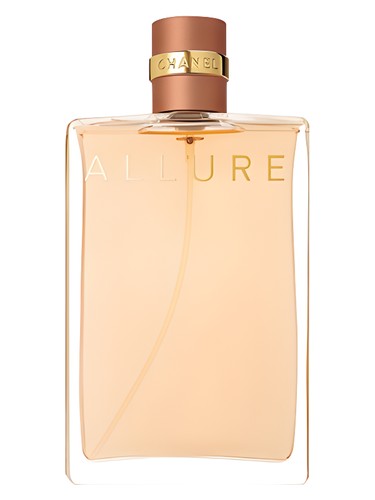
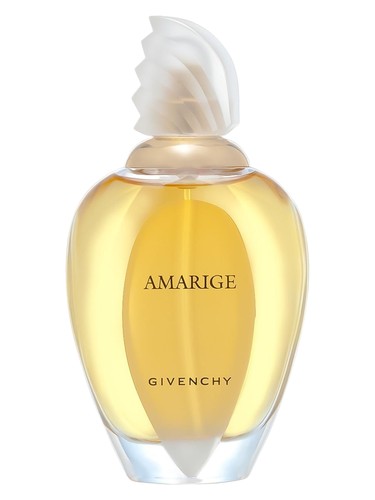
Well-known fragrances with Peach
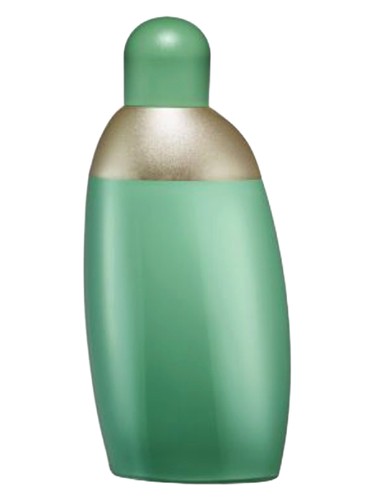
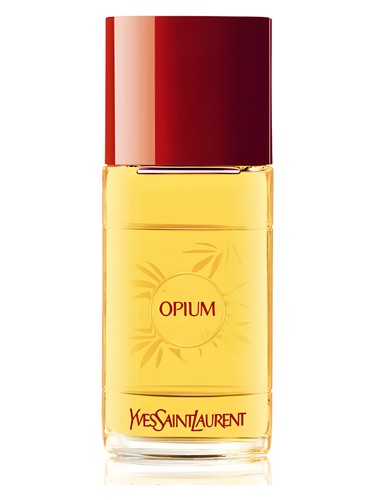
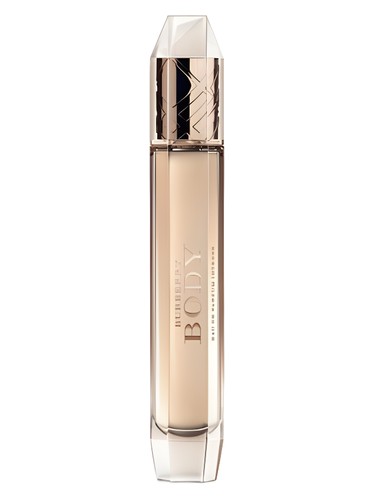
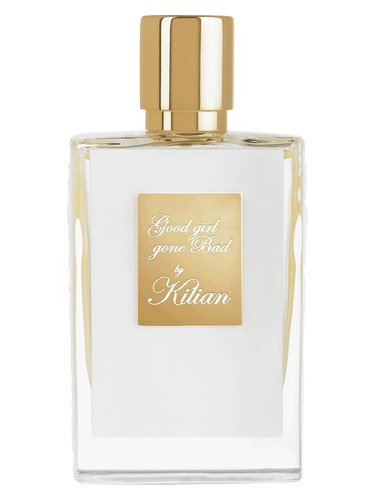
Fragrances that list it in their notes, most-rated first.

Houses that use it most
Ranked by how many of their well-known fragrances list Peach.