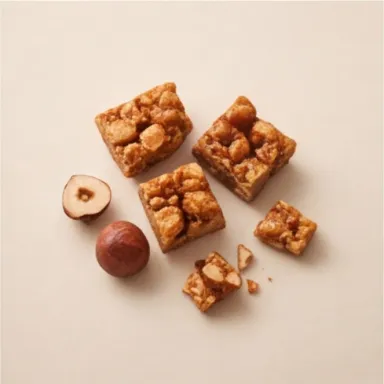
Praline
Burnt sugar, roasted nuts, chocolate and creamy caramel.
You may know it from A nut brittle or praline chocolate filling
Where it comes from
A fragrance accord built from aroma chemicals, not extracted from confectionery.
Worth knowing
It is a reconstructed scent, not an extract of actual praline.
About praline
Praline named a sweet long before it named a smell. The French original is a firm confection of almonds or hazelnuts and caramelised sugar, and the earliest versions were probably whole almonds coated one at a time. The name is traced to a French marshal, du Plessis-Praslin, and one telling gives the invention to his cook, Clement Lassagne, though sources offer that only as a possibility. In Louisiana, where sugar cane and pecan trees were plentiful, pecans took the place of almonds and cream was added, producing a softer, creamier sweet that resembles fudge.
In perfumery there is no natural extract of praline at all. The note is an accord assembled from synthetic components. Sources name ethyl maltol for caramel sweetness, coumarin for nutty warmth and lactones for the creamy body that sets praline apart from bare caramel. One supplier publishes an illustrative split, offered as an example and not a standard: ethyl maltol and gamma-nonalactone at 20 to 25% each, a hazelnut accord at 25 to 30% and vanilla at 25 to 30%. Ethyl maltol is maltol with the methyl group swapped for ethyl, and the same supplier says it is made by synthesis from toluene. Real roasted hazelnut smells of many molecules together, and a nut-chemistry review lists several, among them 2,3-pentanedione, 2-acetyl-1-pyrroline, 2-furfurylthiol and 3-methylbutanal.
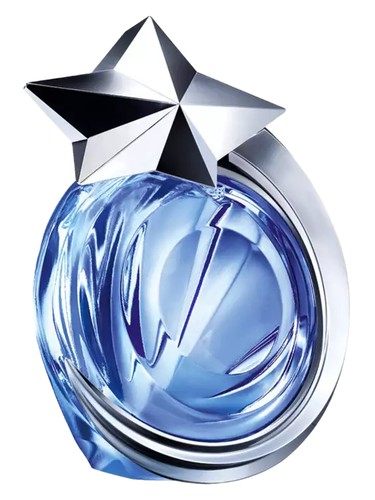
Praline entered fine fragrance with the gourmands. Mugler's Angel, by Olivier Cresp and Yves de Chirin, lists it in the heart, and the house presents Angel as the first gourmand in the history of perfumery, saying it needed over 600 trials. A perfume-house essay describes the accord as toffee-coated praline over a hot-chocolate base and says praline-led perfumes became a category only in the 1990s.
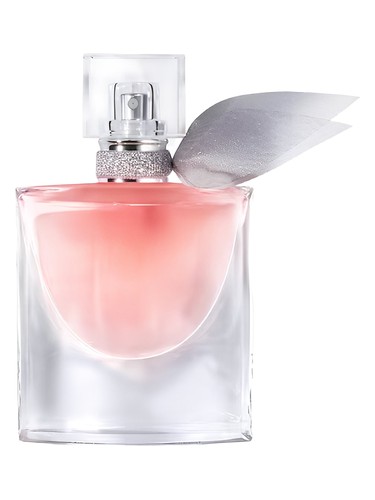
Later examples are easy to find. La Vie Est Belle, created in 2012 by Olivier Polge, Dominique Ropion and Anne Flipo, sets praline beside vanilla, patchouli and tonka bean under an iris heart, in a formula of 63 raw materials. Bon Parfumeur 501 pairs it with hazelnut and licorice.
One glossary describes praline as a heart-to-base sweetener in gourmand and amber compositions, richer than caramel alone and less bitter than dark chocolate.
Accords it shows up in
How many of the fragrances listing Praline in our catalogue also carry each accord. We counted this ourselves.
Often paired with
The notes that appear next to Praline most often in our catalogue.










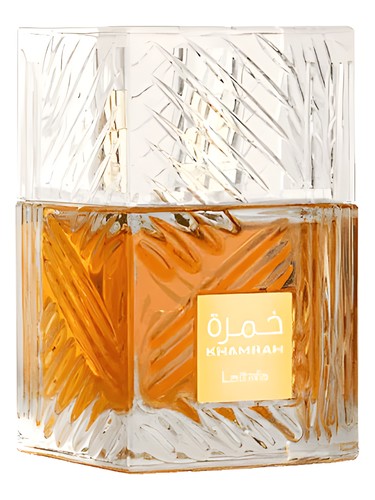
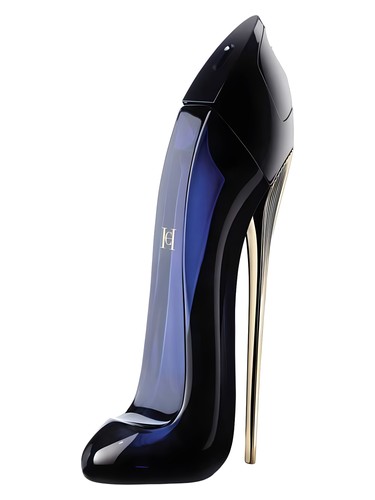
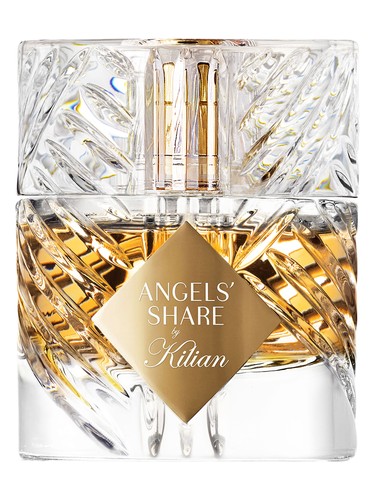
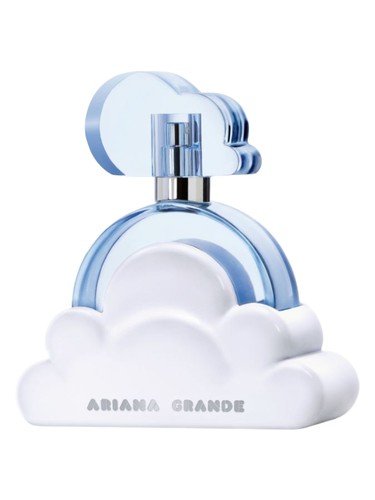
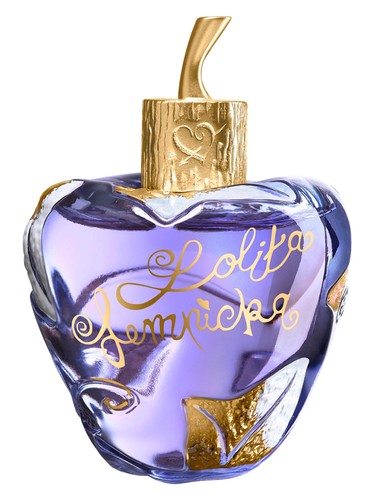
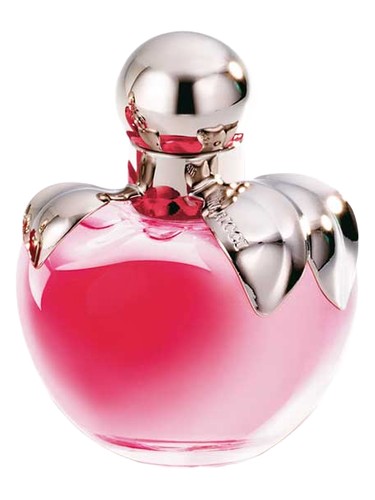
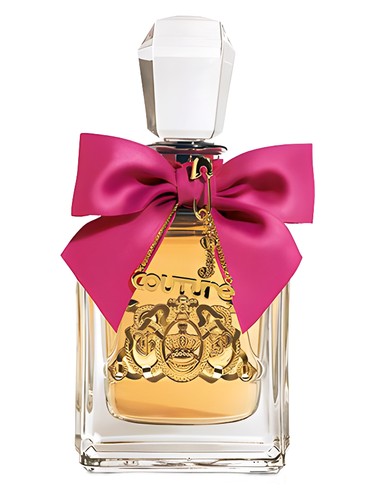
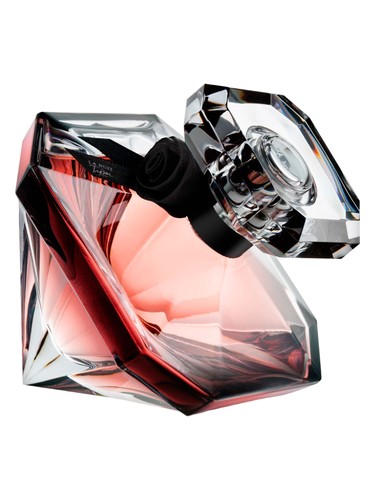
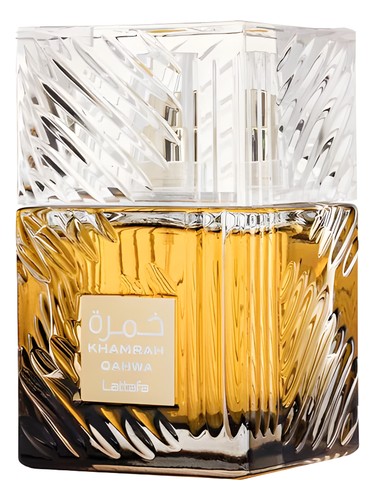
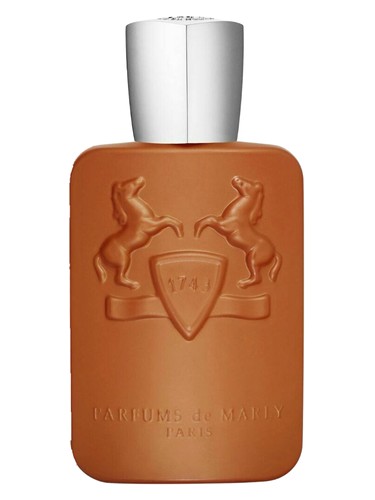
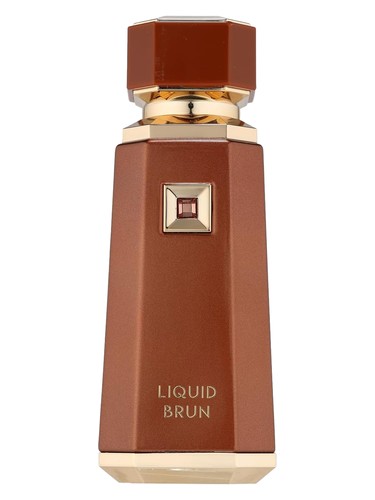
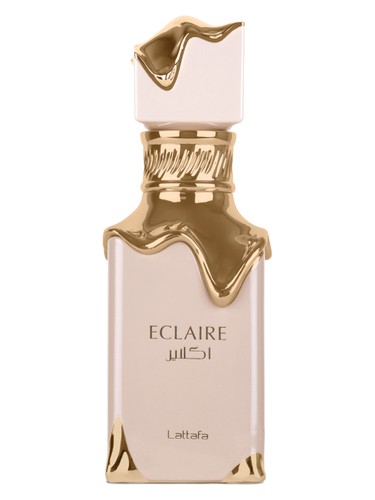
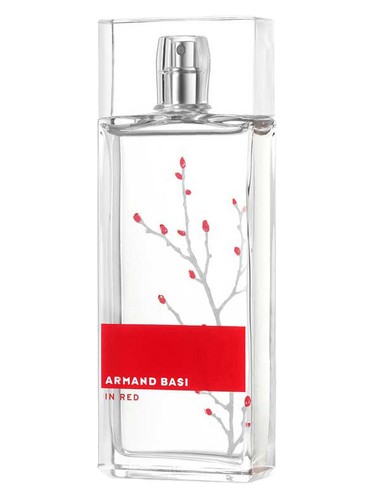
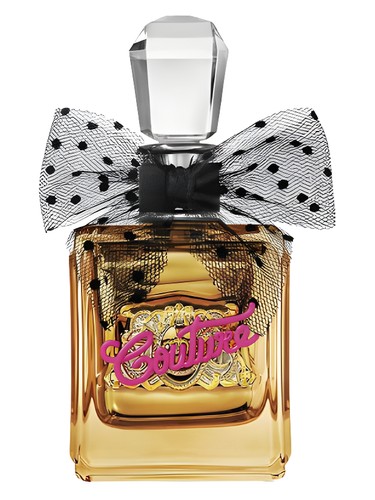
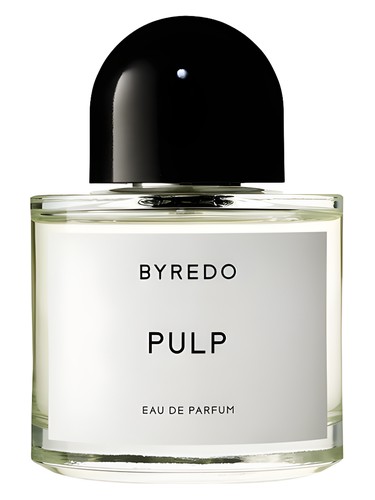
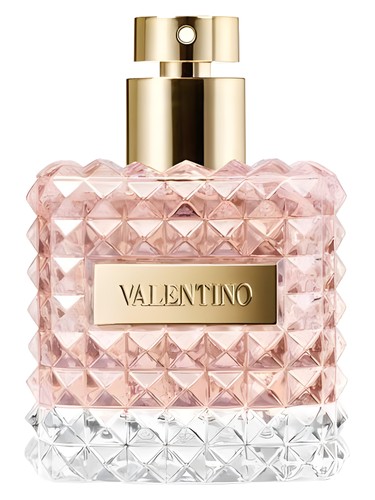
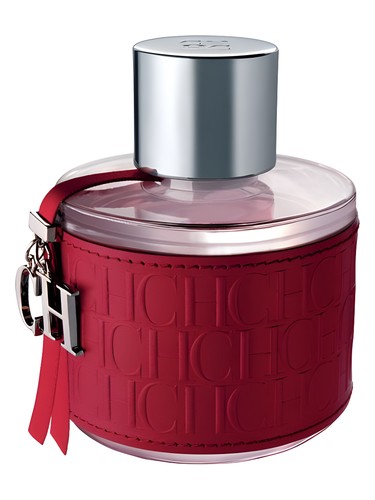
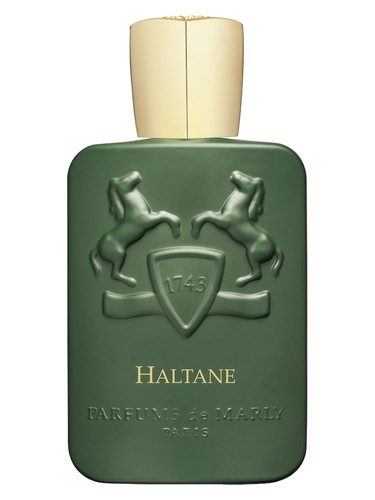
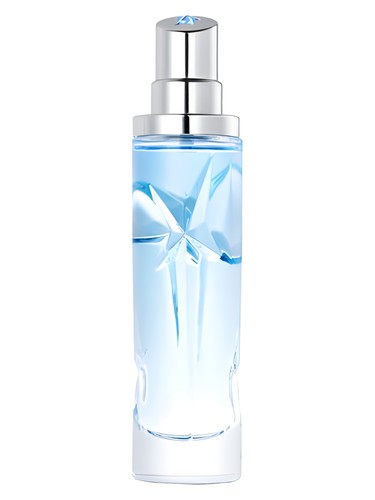
Well-known fragrances with Praline
Fragrances that list it in their notes, most-rated first.
Houses that use it most
Ranked by how many of their well-known fragrances list Praline.