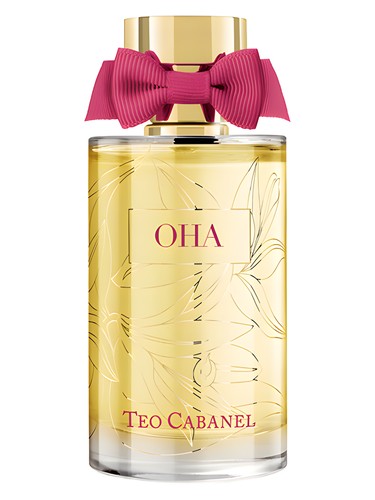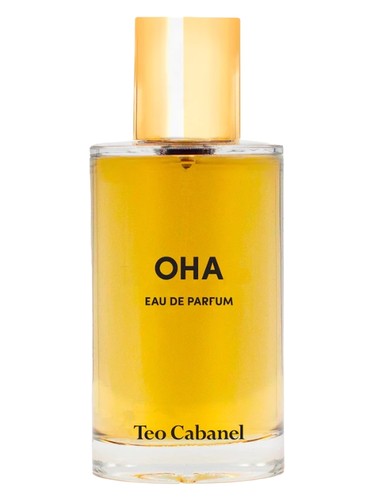
Oha (2023)
Fragrance notes
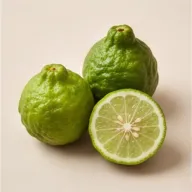
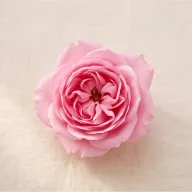
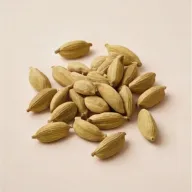
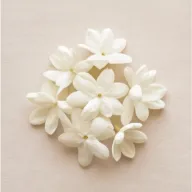
Character
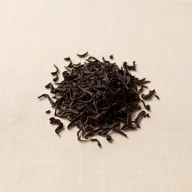
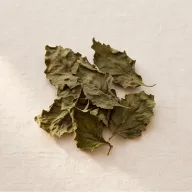
The opening breath carries bergamot bright enough to feel cold, softened immediately by a steeped tea note that smells like leaves left in the cup a little too long. Rose and jasmine rise through that haze, but the cardamom keeps them from floating away completely. This is not a fragrance that announces itself from a distance, nor does it vanish the moment the air changes. The patchouli in the base pulls the whole composition downward, giving it a grounded weight that suits a room where the lights have been lowered and the conversation has turned quieter.
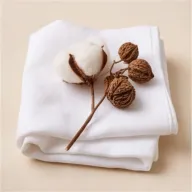
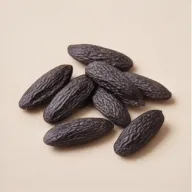
Tonka bean adds a rounded warmth that sits close to the skin, moving with the body rather than projecting outward toward the corners of the space. White musk smooths the edges of the earthier notes, so the patchouli never feels rough or untreated. There is a balsamic trace that suggests polished wood and the faint heat of skin that has been warmed by an evening indoors. The citrus from the start has faded by now, leaving the spices and florals to carry the weight of the impression without any sharp interruptions.
It is a scent for someone who wants the room to notice the fragrance only when they lean in, not one that fills the air before the wearer arrives. The rose here is mature and paired with enough green earth to keep it from leaning sugary, while the tea note continues to whisper through the heavier base. Cardamom sparks against the darker woods in small, intermittent flashes, and the musk carries the tonka into a soft, lingering finish that keeps the patchouli from dominating the final impression entirely
Smells similar
We matched these by the notes each one lists, giving more weight to the unusual ones they share. Sharing materials does not make one a copy of the other.