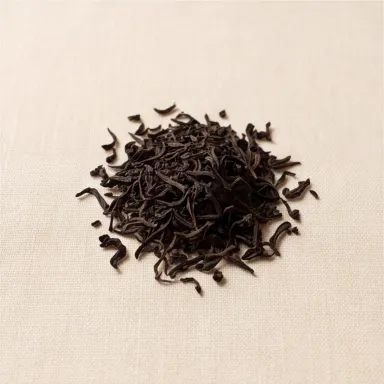
Tea
Freshly brewed tea leaves: dry, green, slightly bitter, airy and faintly smoky.
You may know it from a cup of black or green tea
Where it comes from
Made from tea-leaf extracts or recreated with aroma chemicals.
Worth knowing
It may smell like tea without containing brewed tea.
About tea
The best-known tea in perfume was written by a perfumer who said it doesn't really smell like any green tea he knew. That is Ellena's green tea accord, which went on to become the recognisable fragrance shorthand for green tea anyway. According to Chandler Burr, as quoted by Now Smell This, Ellena had spent time smelling teas at Mariage Frères, and he would go back to his lab and, all but compelled, write short formulae.
Brewed tea yields no usable oil, and the smell of a cup of tea comes from volatile degradation products formed only during withering and oxidation. A plain extract of the leaf therefore does not smell like a brewed cup. Most commercial tea fragrances are synthetic reconstructions, so a tea note rarely means tea extract. Premiere Peau's glossary lists the building blocks: green tea accords rest on cis-3-hexenol, alpha-ionone and theaspirane, while black tea accords use guaiacol, beta-damascenone and megastigmatrienone. Perfumers describe the green side as transparent, slightly bitter and vegetal.
Real tea materials do exist. Natural tea absolute is solvent-extracted from dried leaves with hexane and comes out as a thick, amber-brown liquid. The black tea absolute sold to perfumers is taken from Ceylon fermented leaves, and The Good Scents Company's entry for it describes leathery, hay, herbal and smoky facets and a clean castoreum dry-down. Hermitage Oils sells a black tea CO2 extract and describes astringent hay and tobacco notes with a little smoky leatheriness, plus a roasted bran note.
The plant behind all of it is Camellia sinensis, an evergreen shrub whose leaves, buds and stems are harvested. Green, black and oolong teas come from that one species, differing in how the leaf is processed. China, India and Kenya are the three largest tea-producing countries.
Accords it shows up in
How many of the fragrances listing Tea in our catalogue also carry each accord. We counted this ourselves.
Often paired with
The notes that appear next to Tea most often in our catalogue.











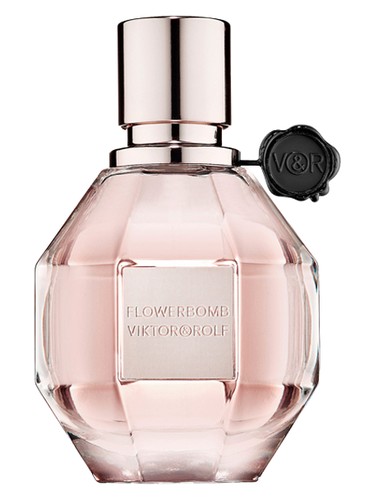
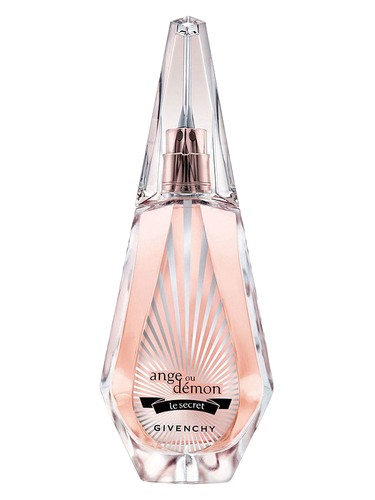
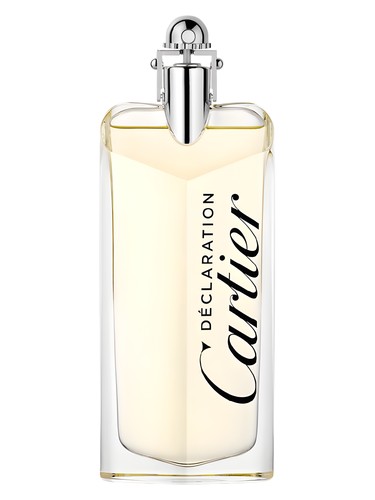
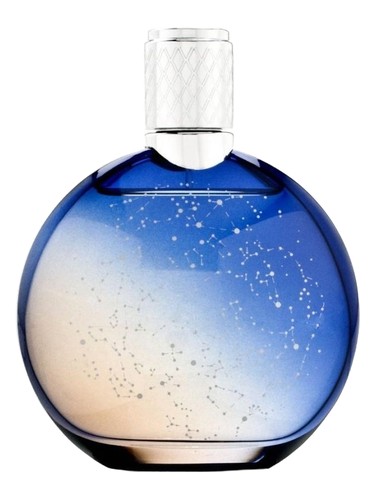
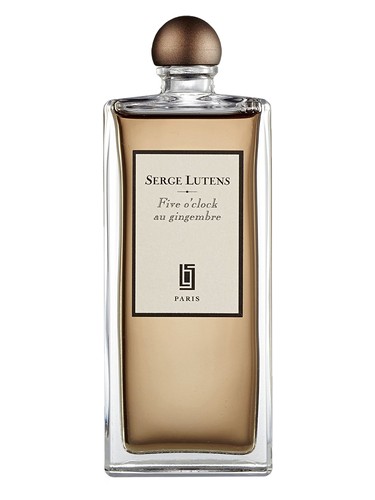
Well-known fragrances with Tea
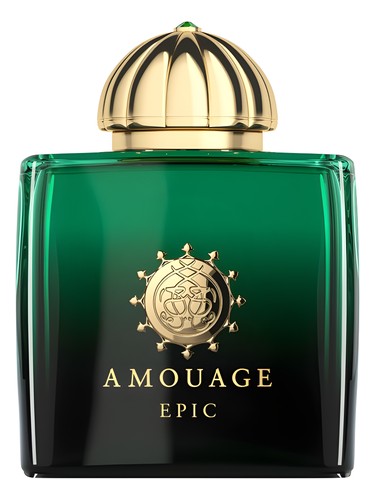
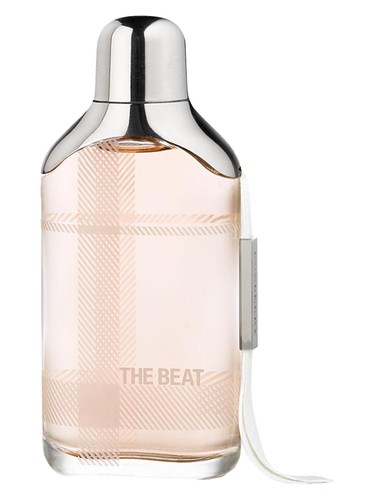
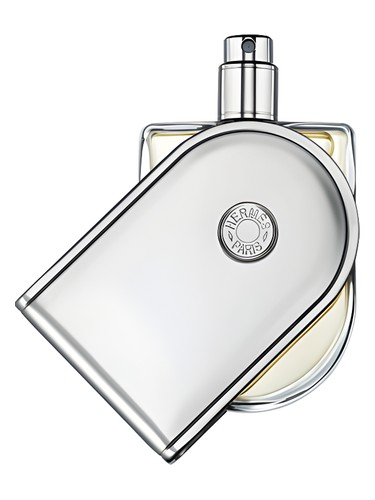
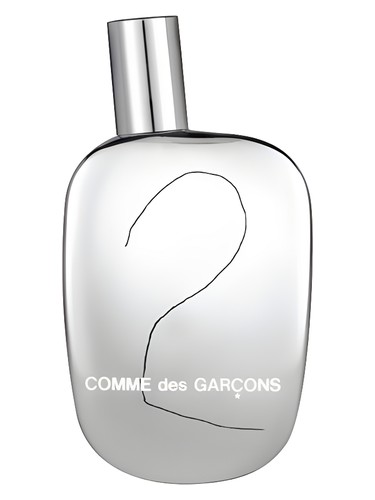
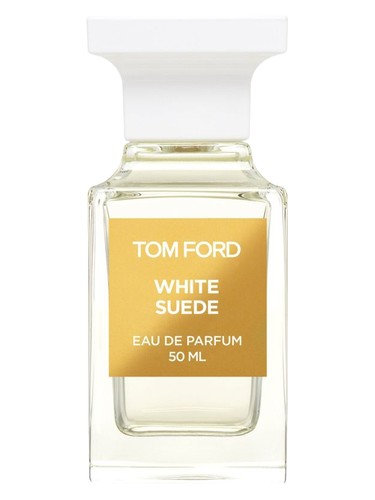
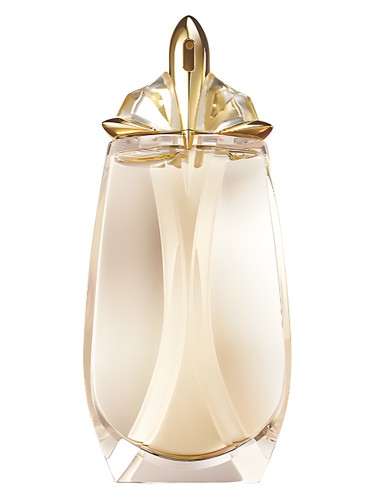
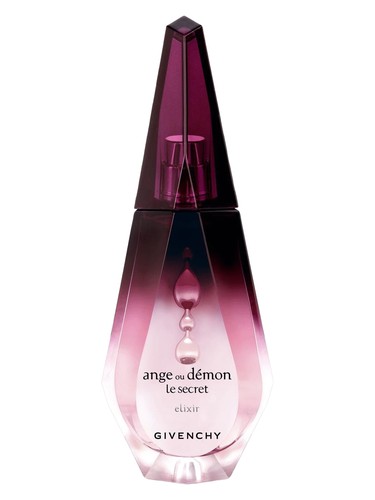
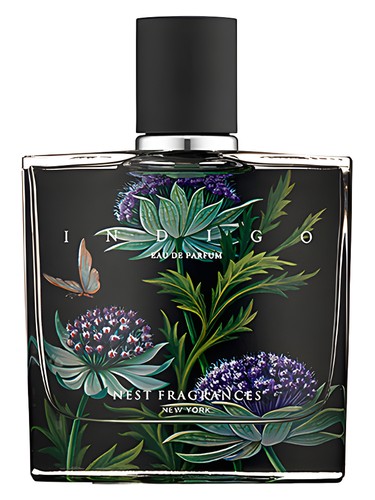
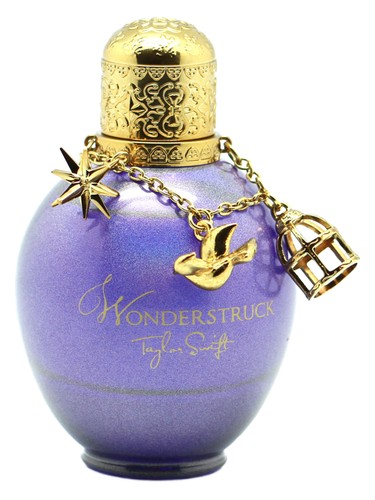
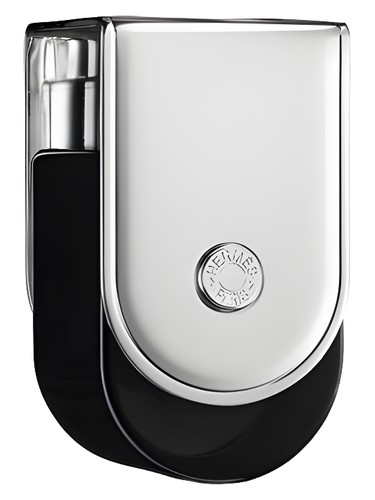
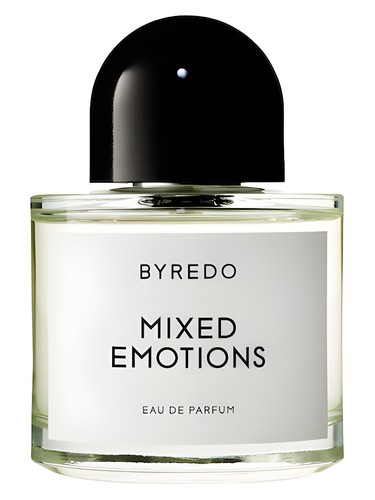
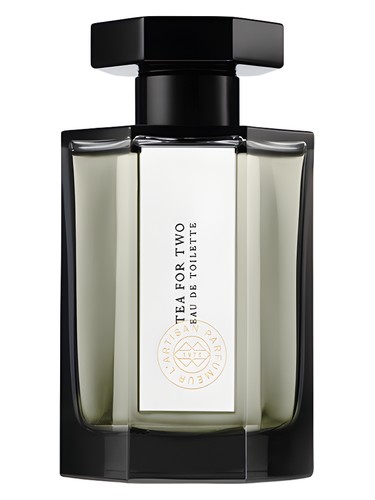
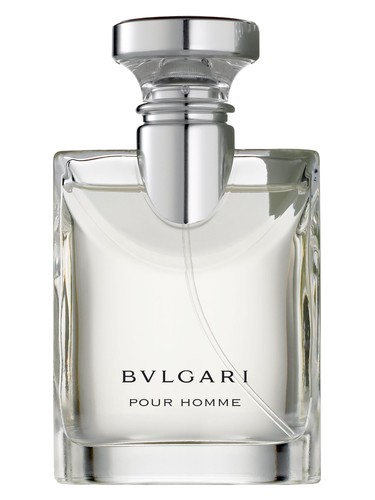
Fragrances that list it in their notes, most-rated first.
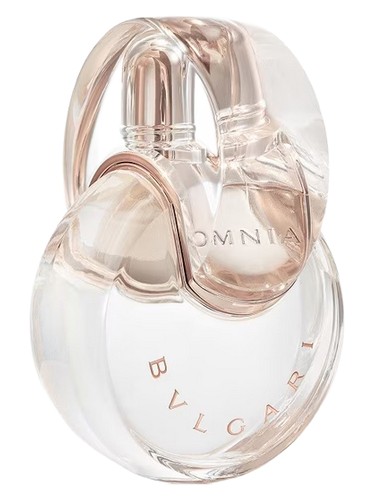
Houses that use it most
Ranked by how many of their well-known fragrances list Tea.