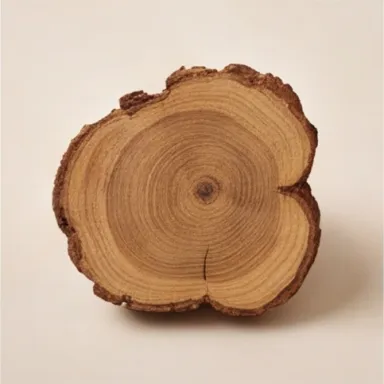
Guaiac Wood
Smoky, dry wood with a tarry edge, soft sweetness, and a hint of leather.
You may know it from The smell of a wood-fired barbecue
Where it comes from
Steam-distilled from the heartwood of South American guaiac trees.
Worth knowing
Despite its name, it is a fragrant wood oil, not a food seasoning.
About guaiac wood
Guaiac wood oil does not pour. At room temperature it is a yellow to greenish-yellow semi-solid mass that melts around 40 to 50 °C, and suppliers tie the setting to its high share of guaiol. It needs gentle warming before anyone can measure it out, and once melted it stays liquid for a long time. ScenTree describes it as a viscous yellow liquid instead.
The tree behind it has changed. The historic source was Guaiacum officinale from the Caribbean, a species now described as rare, and that is the wood that entered Western medicine in the early sixteenth century as a syphilis treatment. Perfumery came later. Today's material is the Chaco tree, Bulnesia sarmientoi, which is a different species from true lignum vitae, though both belong to the Zygophyllaceae and both woods are extremely hard, heavy and oily. The oil is steam-distilled from wood and sawdust. Sources disagree on the yield, with figures running from 2 to 4% of the dry wood up to 6%.
On the skin it reads as smoky and dry first, with a tea-like transparency, then turns creamy and woody with a rosy-violet middle before a warm, faintly sweet dry-down. Osmetheca hears dry wood ash and tanned leather in the opening. The oil has a soft rose-like odour, close to hybrid tea roses or violets, which has made it usable as a rose or violet substitute in fragrance work. ScenTree calls it a good fixative for heart notes and lists rose, vanilla and sandalwood compositions among its uses.
The Chaco tree has been listed in CITES Appendix II since 2010, so international trade needs export permits and documentation of sustainable harvesting. Deforestation of the Gran Chaco and strong demand for wood, extracts and essential oils since about 2001 threaten it, and extraction of the oil is named as part of the overharvesting. The tree is on the IUCN Red List, with a projected population reduction of over 50% in the next three generations.
One supplier glossary says clearwood, a biotech material made from patchouli fermentation, is increasingly used as a partial substitute, though it lacks guaiac's smoky complexity. A related material, guaiacwood acetate, is made by acetylating the natural oil.
Accords it shows up in
How many of the fragrances listing Guaiac Wood in our catalogue also carry each accord. We counted this ourselves.
Often paired with
The notes that appear next to Guaiac Wood most often in our catalogue.










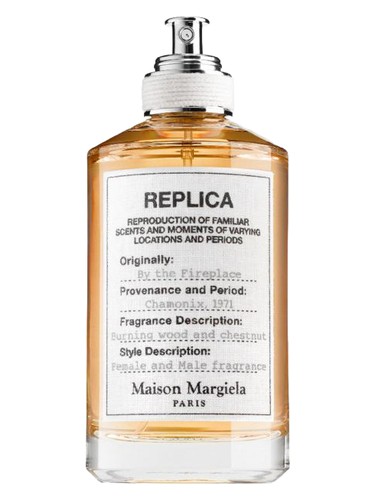
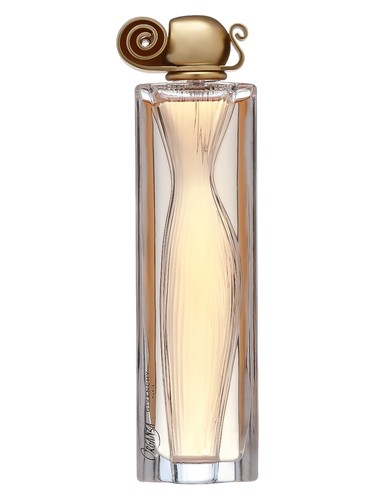
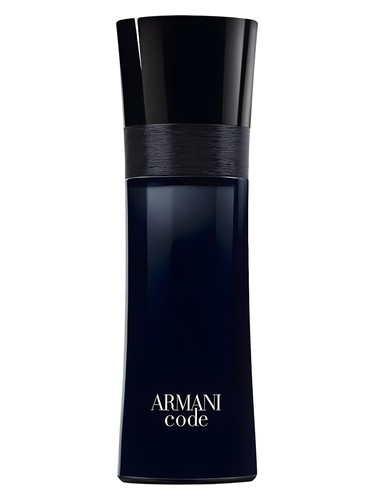
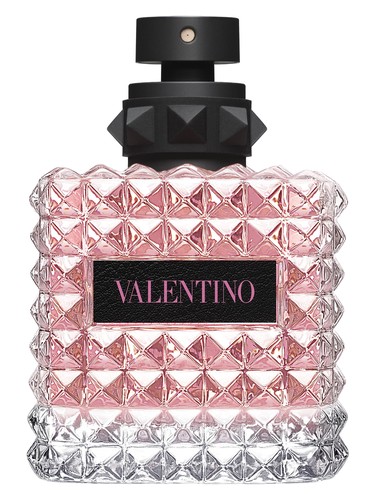
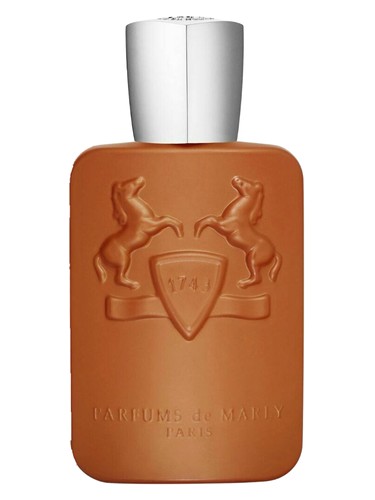
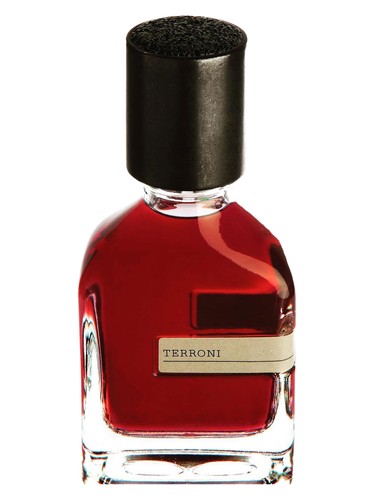
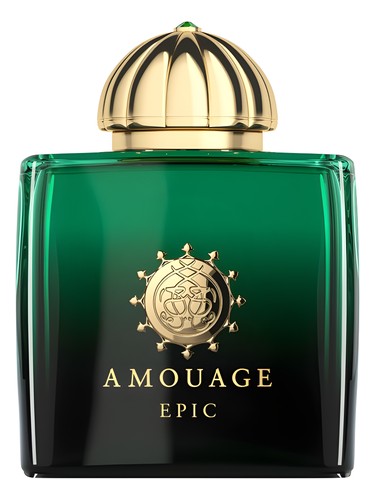
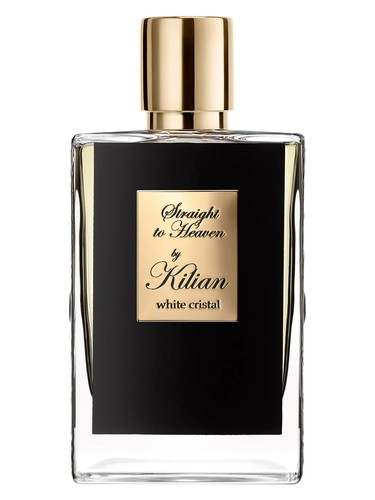
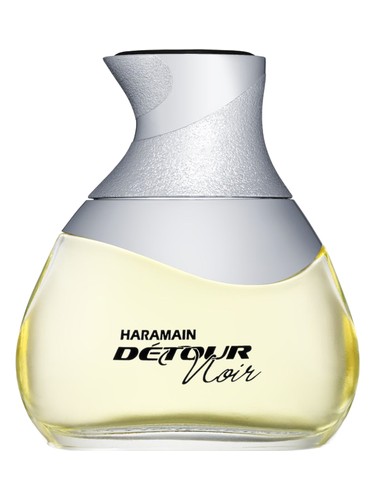
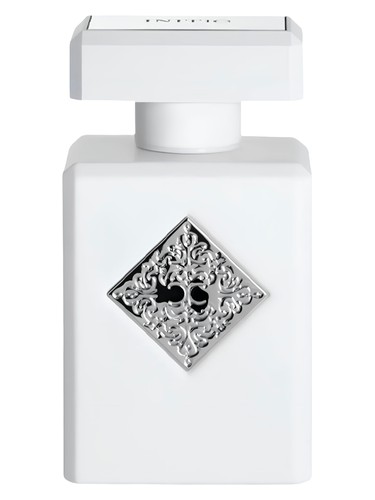
Well-known fragrances with Guaiac Wood
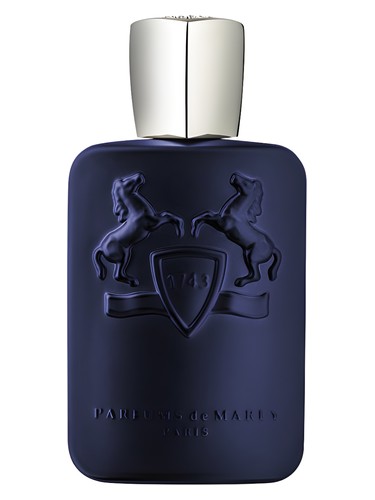
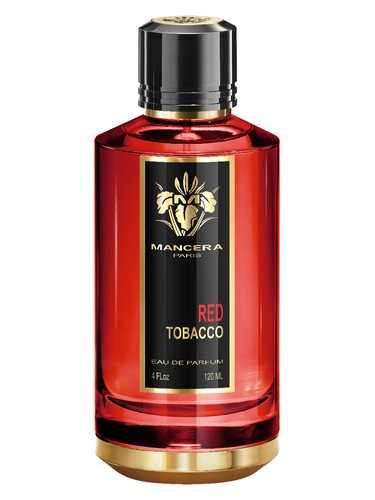
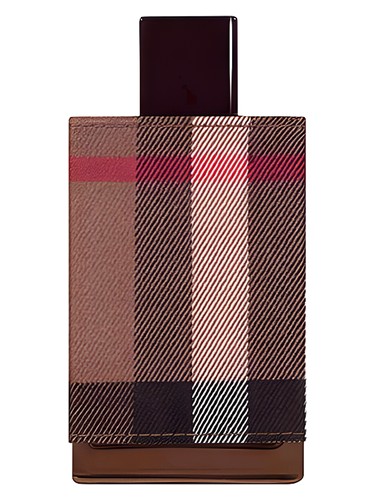
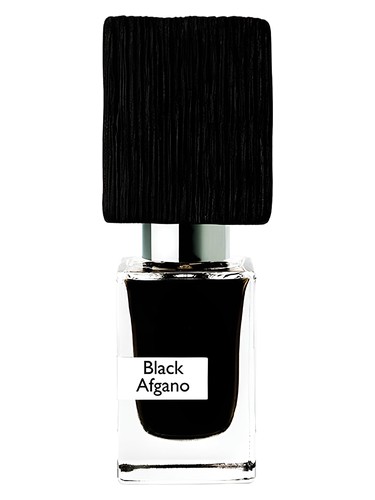
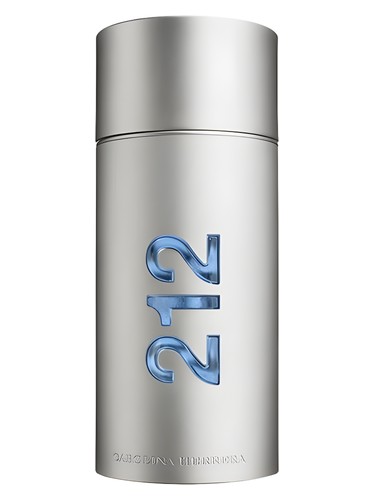
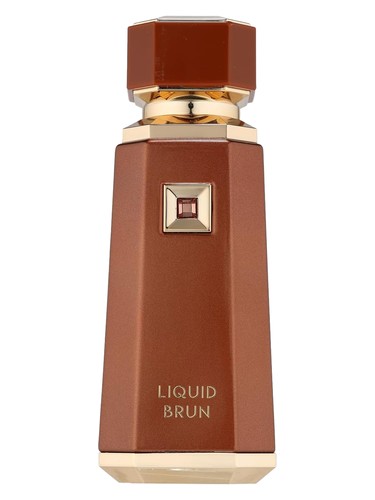
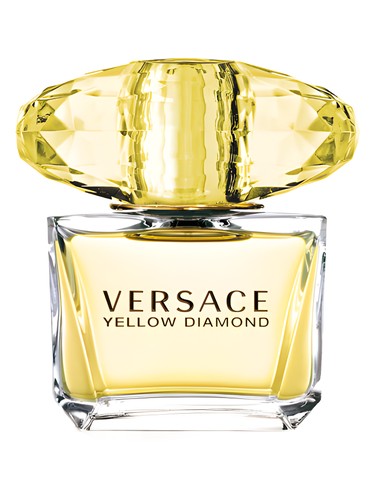
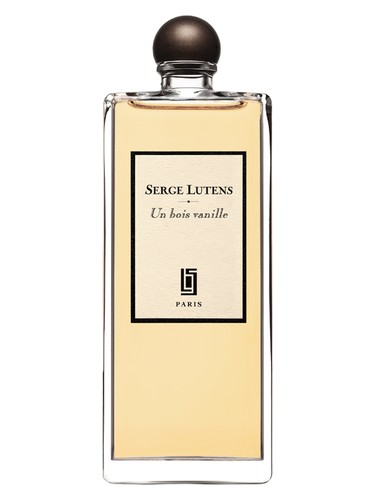
Fragrances that list it in their notes, most-rated first.






Houses that use it most
Ranked by how many of their well-known fragrances list Guaiac Wood.