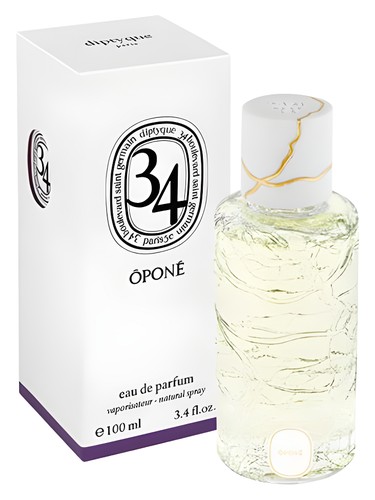
Ôponé
Fragrance notes
Character
Ôponé opens with a startling jolt of cumin, that funky, sweat-tinged spice that immediately separates the curious from the cautious. It's abrasive at first, a dry, metallic scratch against the nose, but the Turkish Rose arrives quickly to soften the edges, threading a jammy, almost bruised floral note through the cumin's sharpness. Saffron adds a leathery, hay-like warmth, while guaiac wood smolders underneath, giving the whole thing a burnt, resinous backbone. The development is less a smooth transition and more a tense negotiation, where the rose and spice trade blows until they settle into a strange, compelling truce.
This fragrance feels like a dusty brass lamp in a sun-scorched bazaar, gilt flaking off to reveal raw metal underneath. It's decidedly natural in its origins but deliberately synthetic in its effect, that metallic accord buzzing like a loose wire against the floral heart. It never gets sweet or cozy, remaining dry, textured, and slightly confrontational. The performance is the weak hand here, longevity barely edging past three hours and sillage staying close to the skin after the first hour, which is a shame for something this fierce.
Who would wear this? Only someone unafraid of smelling a little strange, a little human, a little like a spice market's back alley. Skip it if cumin makes you wrinkle your nose or if you prefer your roses sugared and demure. Wear Ôponé on a grey winter afternoon when you want to feel sharp, or on a crisp fall evening when the air itself is dry enough to match its metallic bite. It is not a fragrance that begs for compliment, but one that asks a question, and that is its quiet virtue.
Smells similar
Built from the same materials — ranked by how unusual the shared notes are, not by how many.