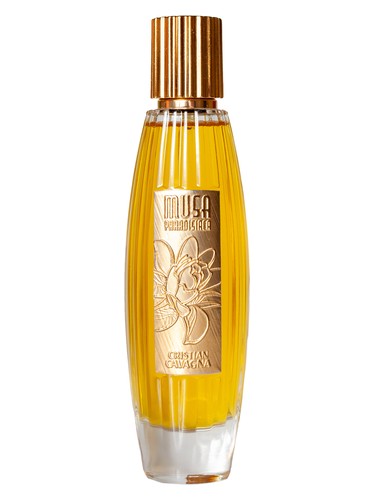
Musa Paradisiaca
Fragrance notes
Character
It opens with a slap of green, the celery and ginger cutting through the tuberose like a knife through wet foliage. The banana leaf adds a vegetal, almost rubbery sheen, making the white floral feel less polished and more alive, something growing in the tropics rather than sitting in a crystal vase. As it settles, the narcissus and ylang-ylang nudge the tuberose toward honeyed, custardy territory, but the civet and raw cacao keep things from tipping into dessert. The dry down is a warm, animalic amber with sandalwood acting as a soft cradle, the vanilla and tonka barely sweet, more like pollen than sugar.
This is not a polite tuberose. Imagine a greenhouse after a storm, the glass fogged, soil overturned, a single bruised banana blossom dripping onto hot stone. That is the atmosphere. It is natural in the sense that it smells alive and messy, and niche in its refusal to edit out the weird celery-civet tension. Longevity is strong at over eight hours, but sillage sits moderate, a quiet growl rather than a roar, which feels right for something this dense and green.
Wear it in spring or fall, during the day when the sun has some heat but the air still carries a bite. It suits those who want their florals with dirt and fur, who enjoy a fragrance that challenges rather than flatters. Skip it if you prefer clean white flowers or shy away from animalic base notes. For the adventurous, this is a rewarding, peculiar ride.
Smells similar
Built from the same materials — ranked by how unusual the shared notes are, not by how many.