Sikkim
Fragrance notes

Character
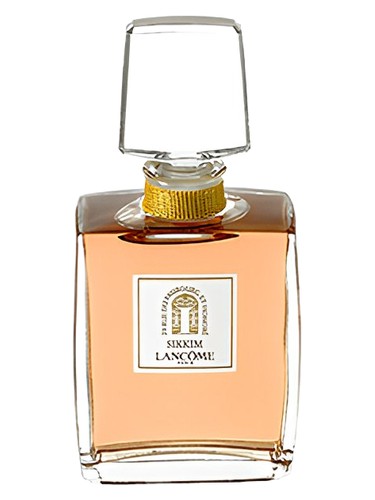
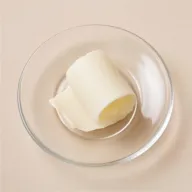
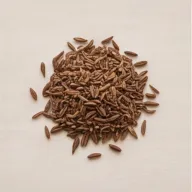
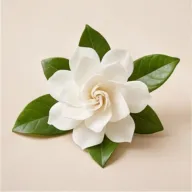
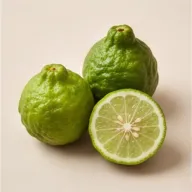
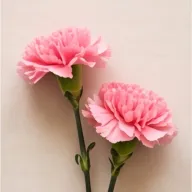
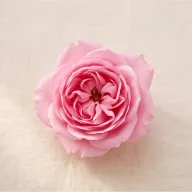
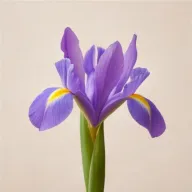
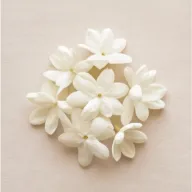
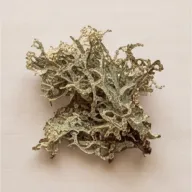
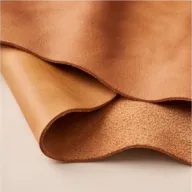
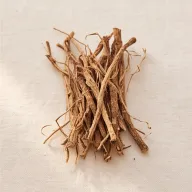
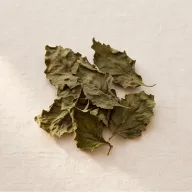
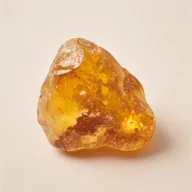
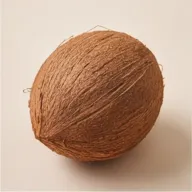
There is a green, almost peppery snap as Sikkim opens, a burst of galbanum and aldehydes that feels less like a garden and more like a greenhouse after a spring thunderstorm. The caraway adds a medicinal bite, while gardenia and bergamot hover like hesitant guests, unsure if they belong in this aromatic, earthy party. Within minutes, the florals emerge: a powdery iris, a tight-lipped carnation, a rose that refuses to blush. They sit not in a bouquet but in a leather glove, each note held in place by a thread of animalic tension. The dry down is where this fragrance earns its keep, a slow unraveling of oakmoss, vetiver, and a surprisingly dry coconut that never tips into suntan lotion. It smells less like a perfume and more like an old wooden cabinet whose drawers hold dried petals and worn leather gloves.
The overall character is a vintage brooch pinned to a wool blazer, substantial and slightly dusty. It feels natural in its green, mossy core, but the synthetic lift of the aldehydes and the coconut’s subtle creaminess give it a mainstream edge, though hardly a crowd-pleaser. With a sillage of 3.28 and longevity around 3.7, Sikkim prefers an intimate radius, fading into a skin scent after four or five hours. This is not a fragrance for those who demand projection or high-volume sweetness. It suits someone with a soft spot for the 1970s, someone who enjoys a floral that whispers instead of shouts.
Wear Sikkim on a cool autumn afternoon, when the light slants low and you want to smell like a forgotten corner of a estate library. Skip it if you crave bubblegum or ambroxan. The coconut and leather do not scream summer, and the animalic base can feel prickly on hot skin. It is a perfume of patience, a quiet document of a time when florals meant green and aldehydes meant excitement. Do we still have the nerve to wear something this deliberately unsexy?
Smells similar
We matched these by the notes each one lists, giving more weight to the unusual ones they share. Sharing materials does not make one a copy of the other.