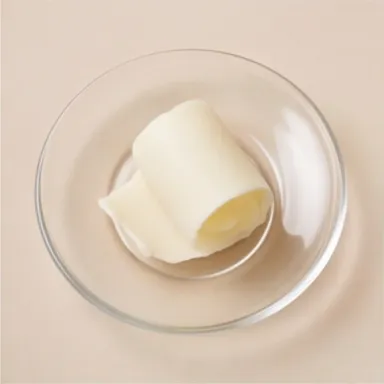
Aldehydes
A bright, waxy, soapy sparkle, like clean linen, citrus peel, or a just-blown-out candle.
You may know it from freshly washed laundry
Where it comes from
Made synthetically or found naturally in citrus peels, flowers, and fats.
Worth knowing
“Aldehydes” names a chemical family, not one single smell.
About aldehydes
The word comes from "alcohol dehydrogenatus", alcohol without hydrogen, and Liebig isolated the compounds in 1835. In a perfumer's formula it stands for a small group of fatty aliphatic aldehydes, mainly C-10 decanal, C-11 undecanal and C-12. The C-12 slot holds two materials, lauric dodecanal and the branched 2-methylundecanal, known as MNA. They carry different CAS numbers and share the formula C12H24O.
Nature supplied them first. Iberchem reports C-9 and C-11 in rose oil, and C-8, C-10 and C-12 in citrus zest. MNA turns up in kumquat peel oil and in rue. Supplier listings call lauric C-12 soapy, waxy, citrus, green and floral, and C-12 MNA fresh amber with metallic and waxy facets. Delacourte describes MNA as having a cold, very characteristic smell of metal. The author of Bois de Jasmin finds C-11 metallic and unpleasant on its own, yet in tiny quantities it adds lift and freshness. Perfume Shrine puts it as a gradient: the lighter aldehydes smell unpleasant, the higher ones pleasant, and C-10 to C-12 give a fizzy effect over a fatty, waxy, soapy tone.
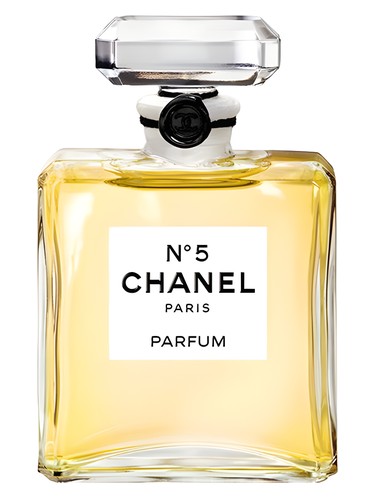
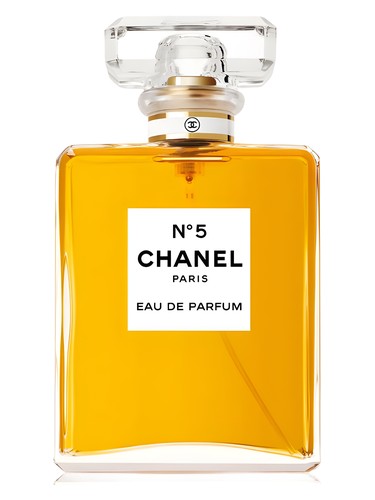
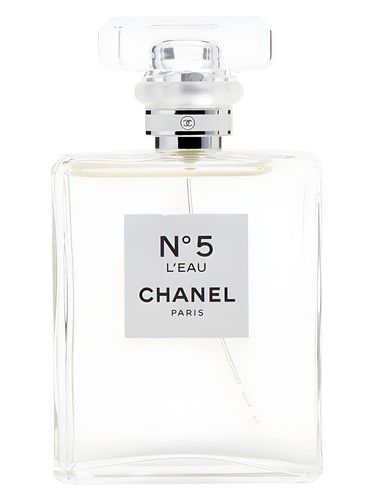
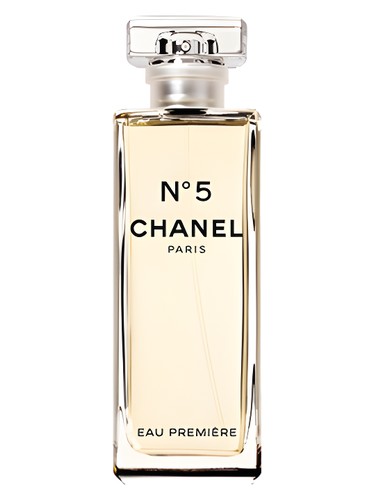
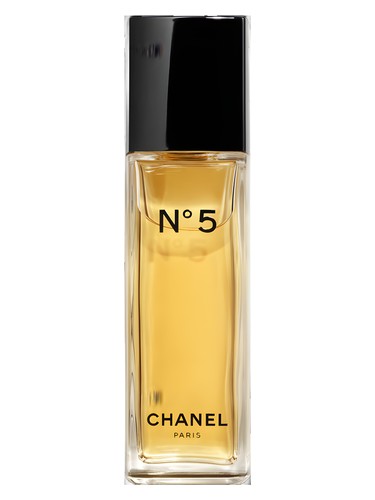
Perfumers reach for them to offset sweetness and heaviness, so that florals feel airier and greens fresher. Chanel No. 5 is the famous case. Ernest Beaux made it in 1921 on Coco Chanel's commission, with C-10, C-11 and C-12 MNA beside jasmine, rose and ylang-ylang, and Bois de Jasmin puts the total aldehyde dose at almost 1%. Chanel picked sample number five from ten vials. A story says a lab assistant mistook a full-strength mixture for a ten percent dilution, which Iberchem calls a legend.
No. 5 had predecessors. Houbigant's Quelques Fleurs (1912) and Rosine's Le Fruit Défendu (1914) are cited as earlier aldehydic experiments. Sources disagree about who was first: Iberchem points to Quelques Fleurs, while Perfume Shrine names Rêve d'Or, from 1905.
The label "Aldehyde C-14" misleads, since it is gamma-undecalactone, C11H20O2, a cyclic ester with a peach odor. Scentree dates its first use to Guerlain's Mitsouko in 1919. For lauric dodecanal, The Good Scents Company lists an IFRA-derived maximum of 2.0% in fragrance concentrate.
Accords it shows up in
How many of the fragrances listing Aldehydes in our catalogue also carry each accord. We counted this ourselves.
Often paired with
The notes that appear next to Aldehydes most often in our catalogue.










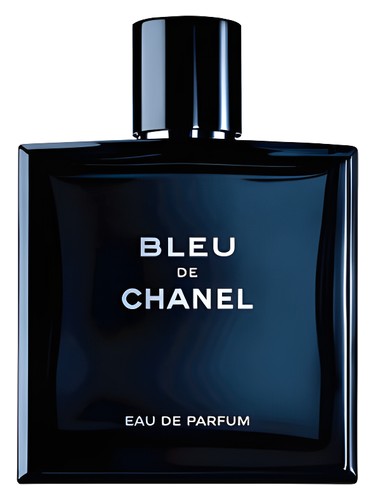
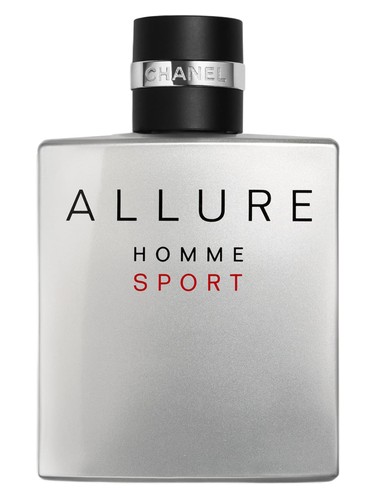
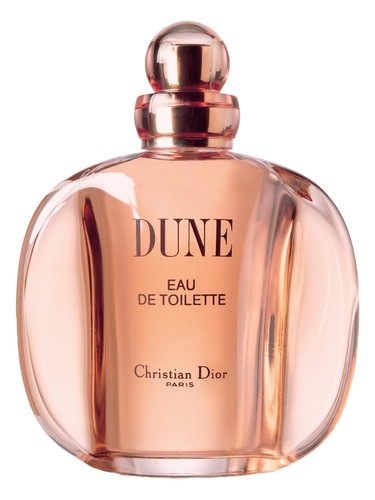
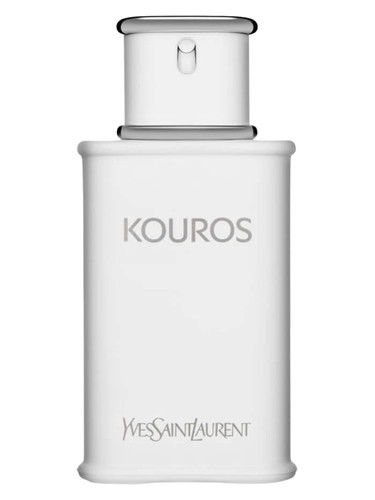
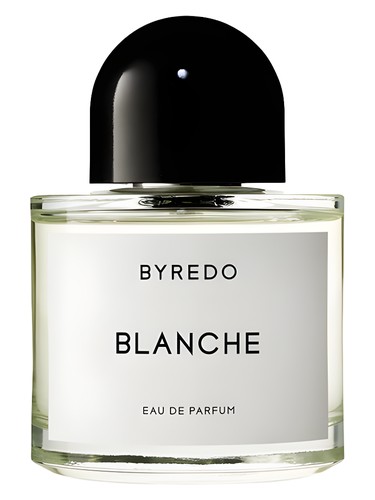
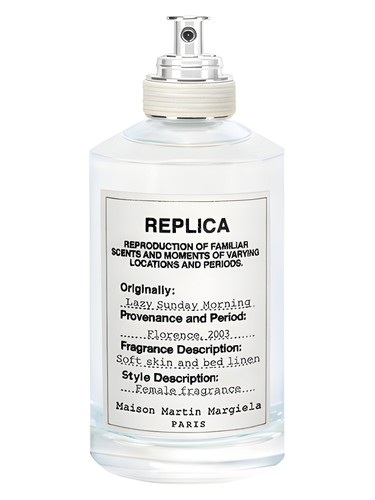
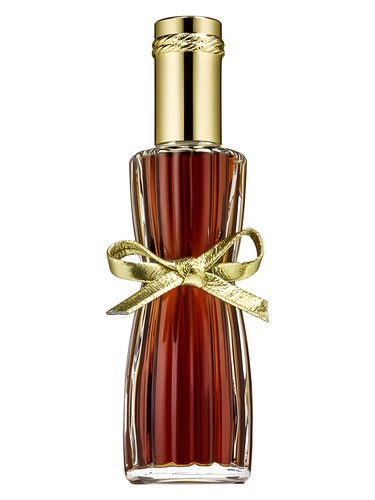
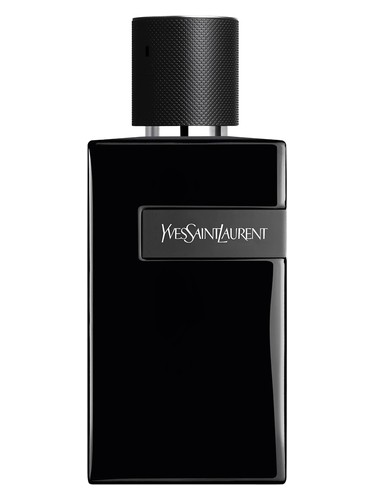
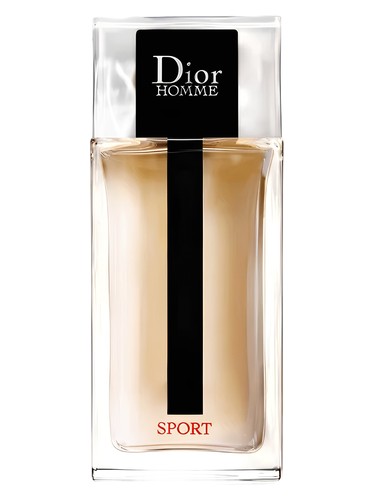
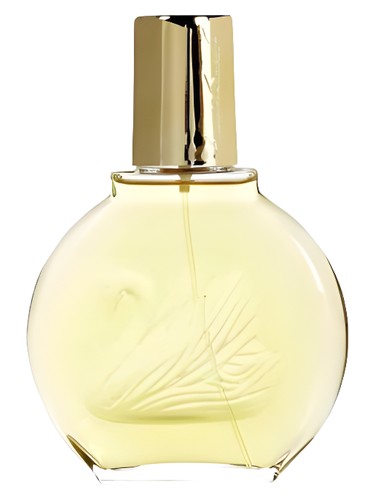
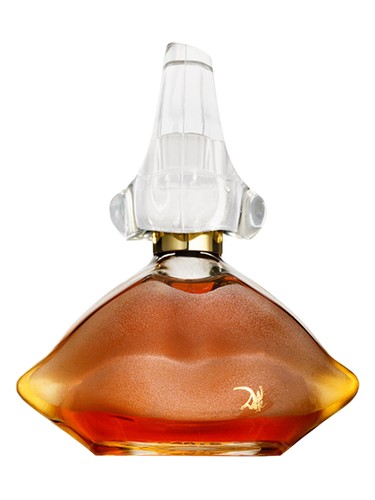
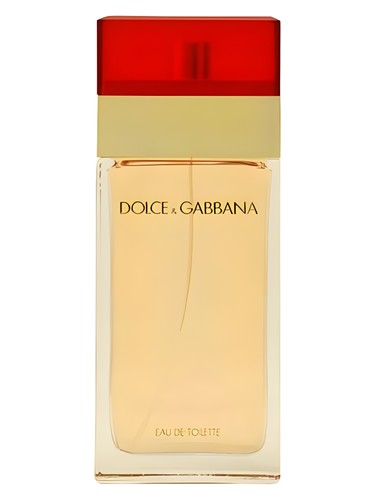
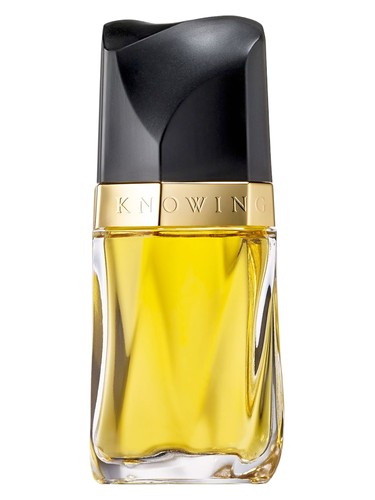
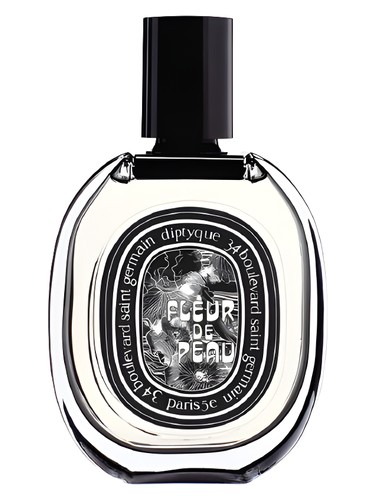
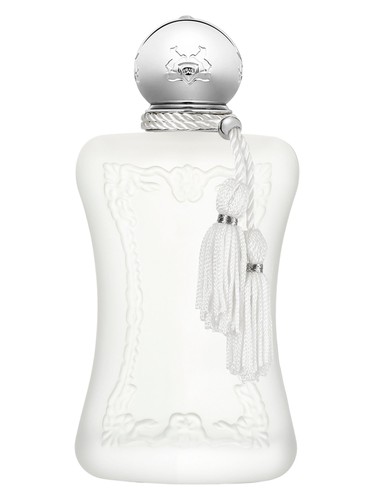
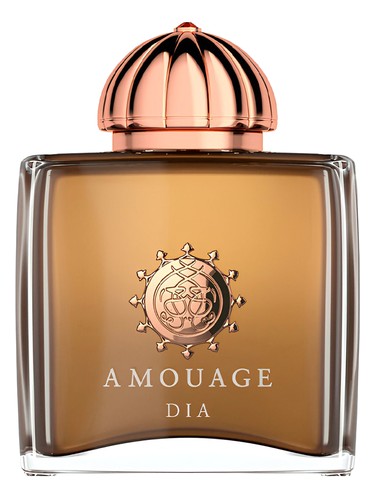
Well-known fragrances with Aldehydes
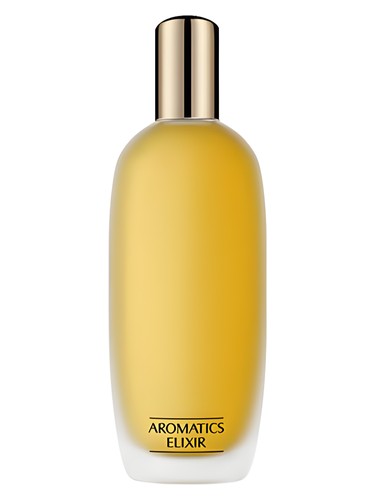
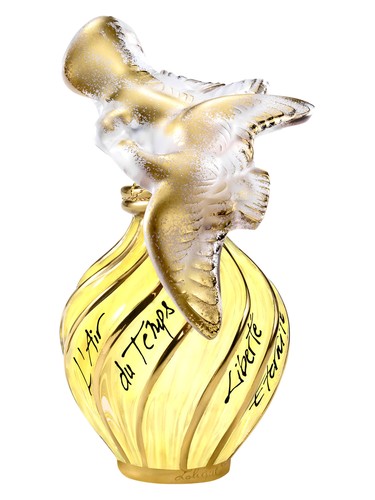
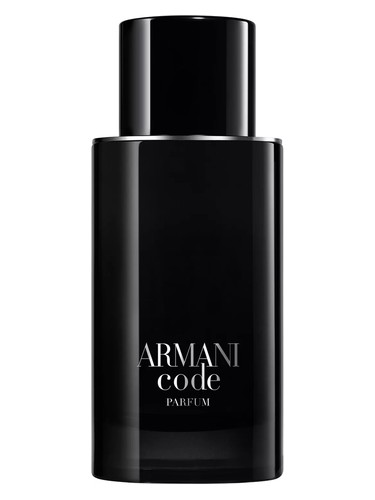
Fragrances that list it in their notes, most-rated first.
Houses that use it most
Ranked by how many of their well-known fragrances list Aldehydes.