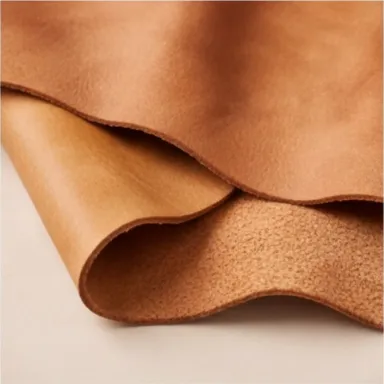
Leather
Warm, dry animal skin with smoky, woody and sometimes slightly sweet tones.
You may know it from a new leather jacket
Where it comes from
Built from aroma chemicals, sometimes with smoky natural materials such as birch tar.
Worth knowing
Usually an accord, not leather taken from a jacket.
About leather
There is no leather essential oil. Perfumers combine botanical, animal-derived and synthetic materials, and the list is long: tobacco, oakmoss, labdanum, styrax, saffron, cassie, cade oil for smoke, and burned seashells known as choya nakh. Castoreum, a beaver gland secretion, smells unpleasant neat and leather-like when highly diluted. One brand glossary says it has largely been abandoned in favour of synthetics for ethical and consistency reasons.
Two older ideas sit under the name. Russian leather recalls tanning with Siberian birch bark, which gives supple leather that repels insects. Chanel presents Cuir de Russie, by Ernest Beaux, as evoking boots tanned that way and worn by Russian soldiers, and sources date it to 1924 or 1927. Spanish leather, Peau d'Espagne, began as a scent for leather itself, with scraps steeped in flower and spice oils alongside civet and musk. Its traditional formula dates to the 16th century, and from 1910 it was adapted with vanilla, tonka, styrax and geranium for women's perfume.
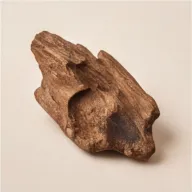
Birch tar oil is made by dry distillation of birch wood or bark, then rectified under vacuum for perfumery. ScenTree classes its smell as burnt leather and smoky woods, and other descriptions add tarry, phenolic, medicinal and animalic. It goes into leather accords at very low dosage. An ingredient supplier credits it with the raw, smoky character of early Russian-leather perfumes such as Cuir de Russie and Bandit. Crude birch tar oil is prohibited as a fragrance ingredient, and only rectified grades are allowed under the IFRA 51st Amendment.
Perfume Shrine says Chanel's version was built with quinolines alongside birch and juniper materials. Isobutyl quinoline is a synthetic it describes as earthy, rooty and nutty, with amber, woody and tobacco-like undertones, used at 1% dilution or less.
Suede, the softer and velvety relative, is made with synthetic ingredients such as Suederal.
Accords it shows up in
How many of the fragrances listing Leather in our catalogue also carry each accord. We counted this ourselves.
Often paired with
The notes that appear next to Leather most often in our catalogue.











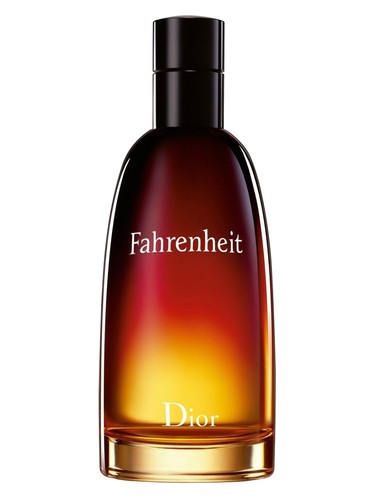
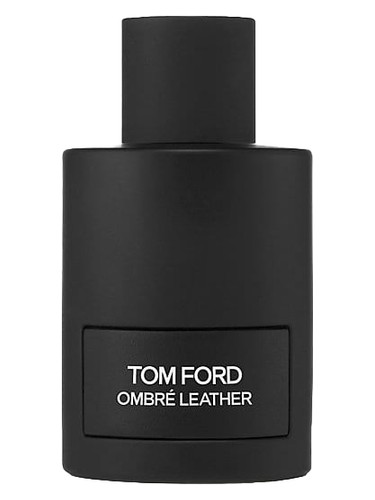
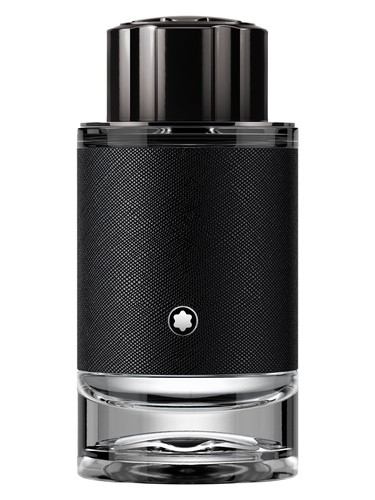
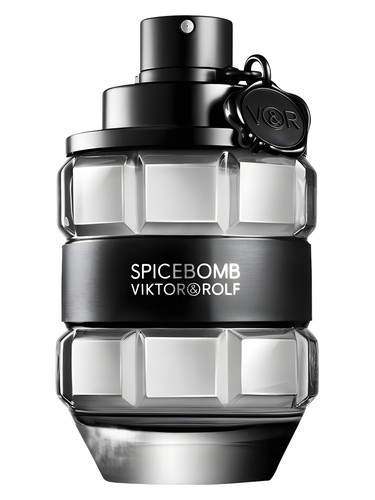
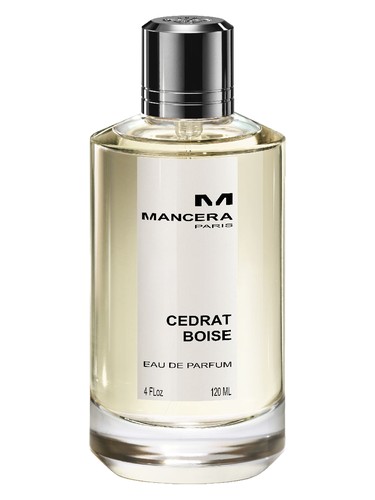
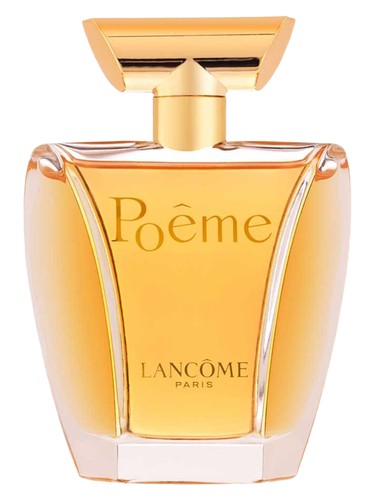
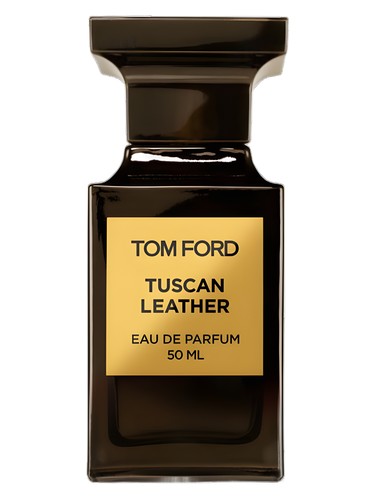
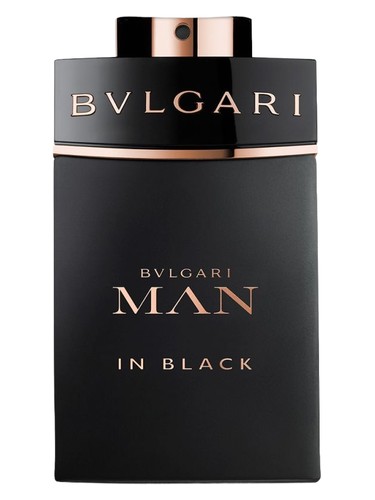
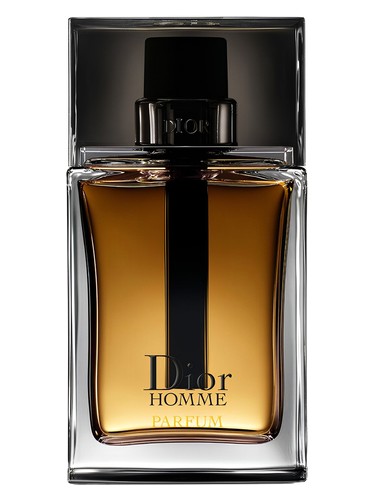
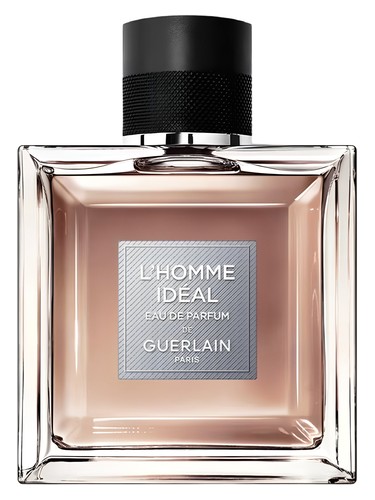
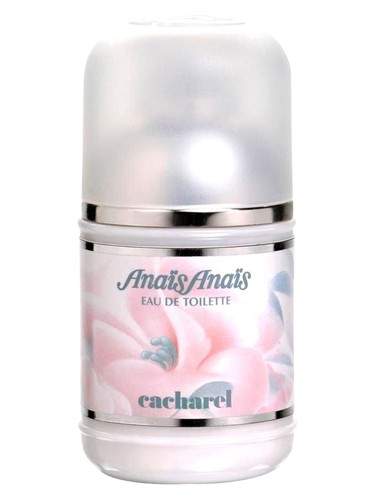
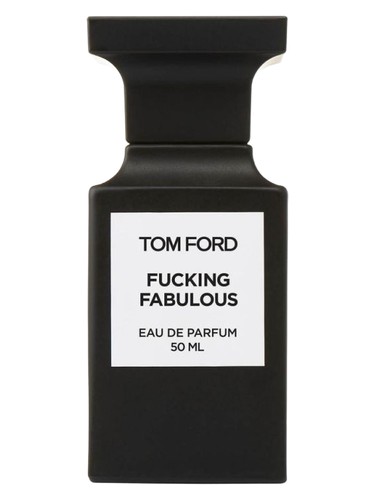
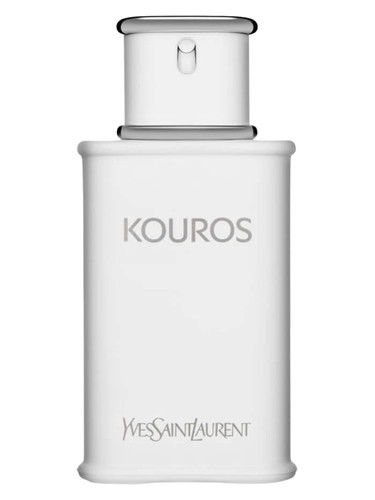
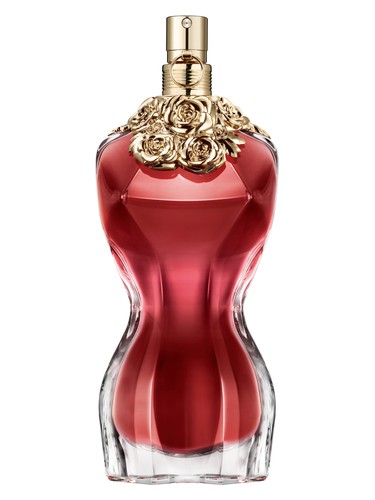
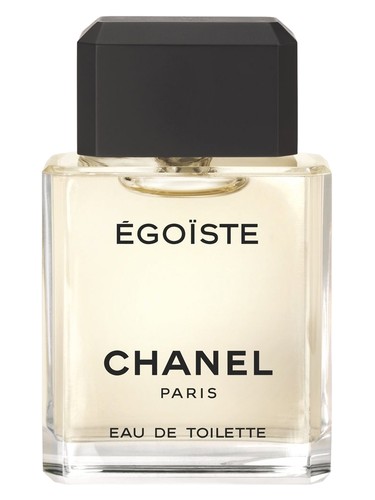
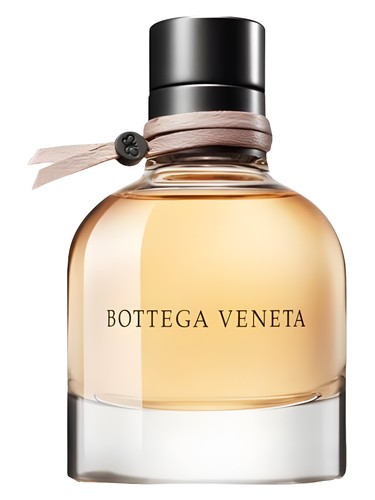
Well-known fragrances with Leather
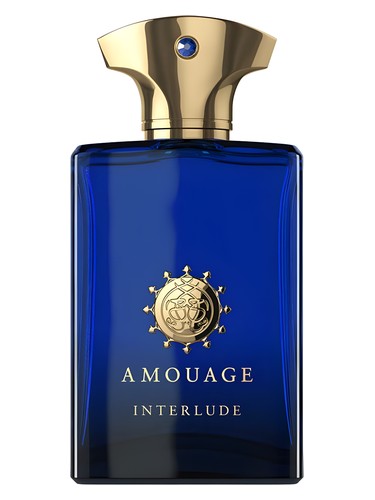
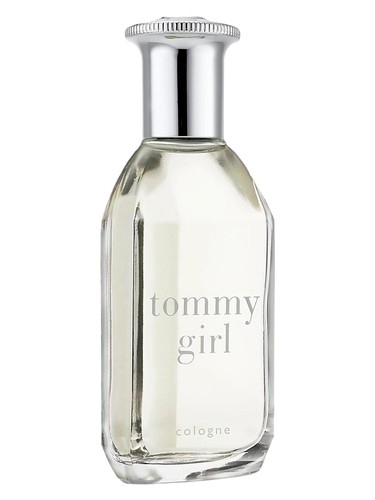
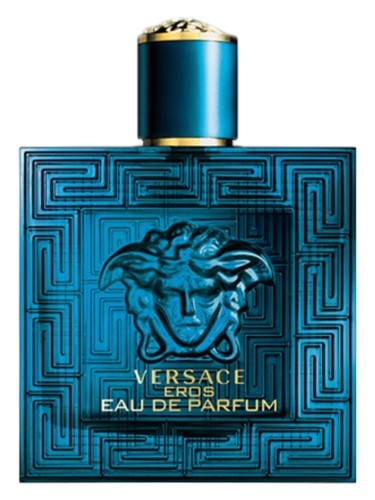
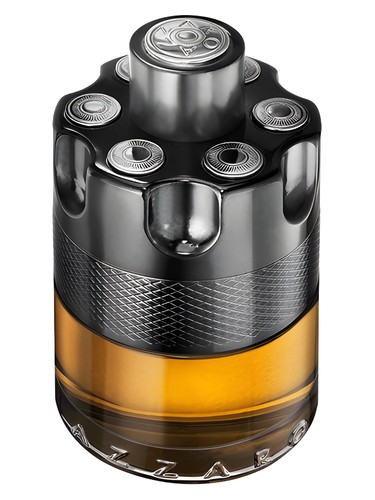
Fragrances that list it in their notes, most-rated first.
Houses that use it most
Ranked by how many of their well-known fragrances list Leather.