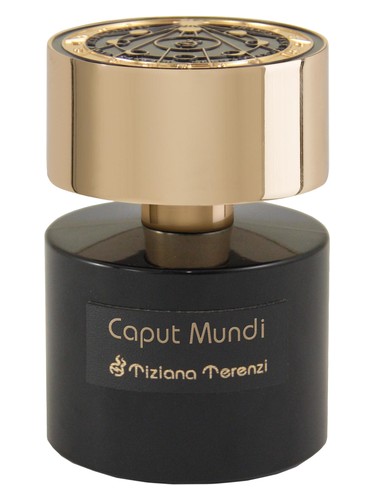
Caput Mundi
Fragrance notes






Character
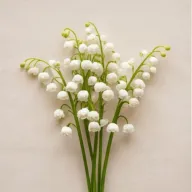
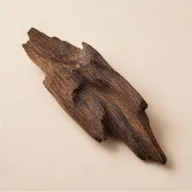
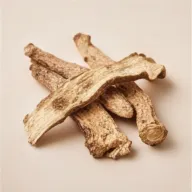
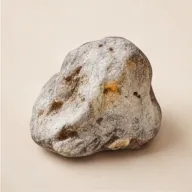
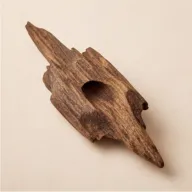
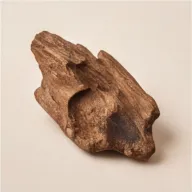
Caput Mundi opens with a blast of cabreuva and Bulgarian rose that feels less like a flower garden and more like a crushed velvet curtain in a smoke-stained cathedral. The iris and lily-of-the-valley cut through with a waxy, almost cool powder, but they’re quickly swallowed by a heart of saffron and Indian oud that reads less medicinal and more like a spice merchant’s back room where patchouli has been left to sweat on sandalwood. The drydown is where this fragrance earns its name, a dense base of Cambodian oud and ambergris that wraps around cashmere wood and cedar like a wool coat left too long near a campfire, slightly charred and deeply animalic.
The overall character is a brooding, unapologetic smolder. Imagine a wooden chest lined with tarnished brass, stuffed with dried petals, resin chunks, and a forgotten fur stole that still carries the ghost of someone’s perfume. It feels decidedly natural in its raw materials but leans into a niche heaviness that can choke a room if oversprayed. The longevity is solid for about five hours before fading into a skin-level patchouli-oud whisper, and sillage is moderate, close to the wearer after the first hour. This is not a freshie or a crowd-pleaser; it suits someone who wants to smell like an heirloom, not a headline. Skip it if you prefer airy citruses or soapy musks. Wear it on a chilly autumn evening, or during a winter night when you want your scent to feel like a secret rather than a statement. One rhetorical question: have you ever walked into a dusty antique shop and wanted to bottle that exact silence? This is it.
Smells similar
We matched these by the notes each one lists, giving more weight to the unusual ones they share. Sharing materials does not make one a copy of the other.