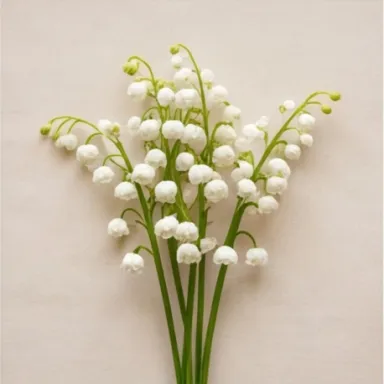
Lily-of-the-Valley
Fresh, dewy white flowers with a soft green, slightly soapy sweetness.
You may know it from A spring bouquet of lily-of-the-valley flowers.
Where it comes from
Its scent is recreated with aroma chemicals; the flowers yield no practical perfume extract.
Botanical name: Convallaria majalis
Worth knowing
The real plant is poisonous if eaten.
About lily-of-the-valley
Lily of the valley, Convallaria majalis, is a low perennial with white bell-shaped flowers, and the muguet in a bottle is rebuilt from other materials. One perfumery blog explains that the flower releases its scent as it forms instead of storing it, so distillation, solvent and CO2 extraction miss it.
Perfumers assemble the accord from synthetics. Bois de Jasmin names hydroxycitronellal, lilial, lyral and newer molecules such as Muguesia. Hydroxycitronellal is the classic muguet material, a floral aldehyde described as sweet and mild, with green, waxy, melon-like shades. One blog says German-made supply vanished during WWI, American factories took over, and by the 1920s the material was known across the industry. Lilial gets a different description from a perfumery writer, who calls it floral muguet, watery, green and powdery with a touch of cumin. Only its (R)-enantiomer carries the odour, and the (S) form has no strong smell.
Several of these materials have since been restricted. Lilial is banned in EU cosmetics under Delegated Regulation (EU) 2021/1902, after its classification as a reproductive toxicant, category 1B. Allernote reports that lyral was prohibited by Regulation (EU) 2017/1410, with products off the shelves by August 2021. Hydroxycitronellal is still allowed, but it sits on the EU list of declarable fragrance allergens, and Scentspiracy calls it a weak sensitiser.
Diorissimo, composed by Edmond Roudnitska for Dior in 1956, was a reconstruction of the flower from natural and synthetic materials. Bois de Jasmin describes green leafy notes opening onto the muguet heart, with a faint animalic touch from civet in the base. The same reviewer says the current version has been changed by IFRA compliance and by the replacement of animalic materials.
In France the flower is also a date. Selling sprigs on 1 May became a custom at the start of the 20th century, tied to Labour Day. France 3 reports that the Nantes area supplies about 95% of the French market, from 12 producers on roughly 150 hectares, down from 120 producers in 1992.
Accords it shows up in
How many of the fragrances listing Lily-of-the-Valley in our catalogue also carry each accord. We counted this ourselves.
Often paired with
The notes that appear next to Lily-of-the-Valley most often in our catalogue.












Well-known fragrances with Lily-of-the-Valley
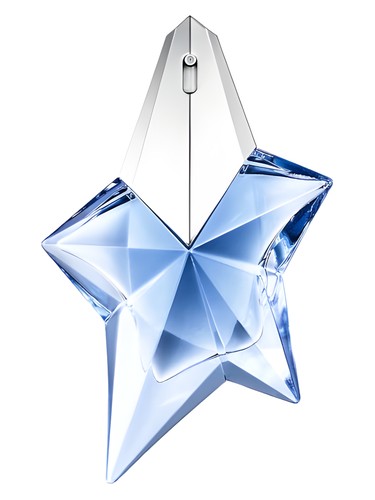
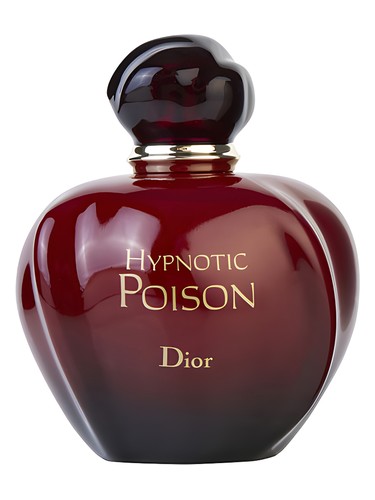
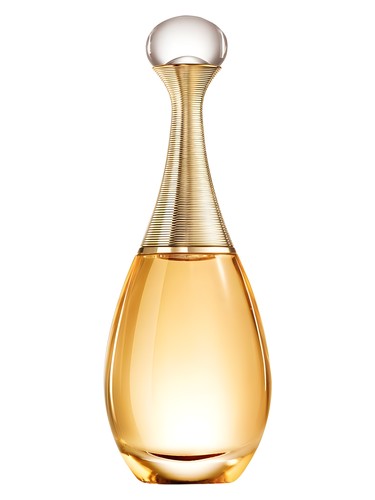
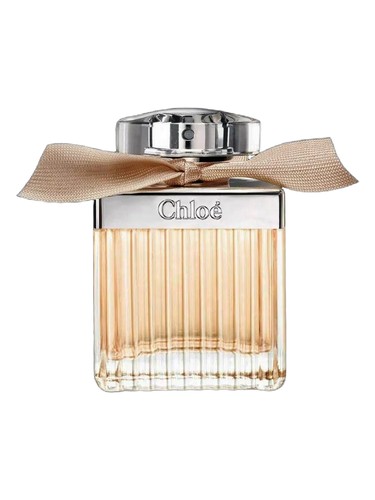
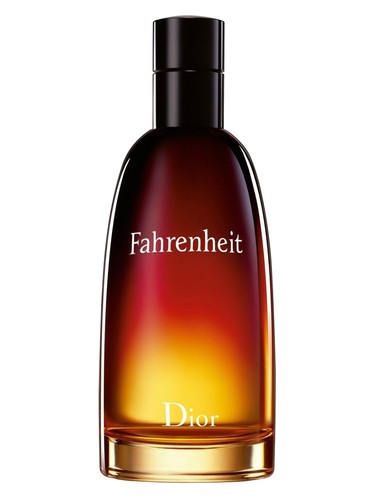
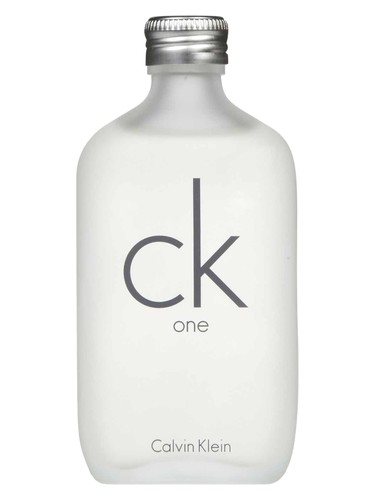
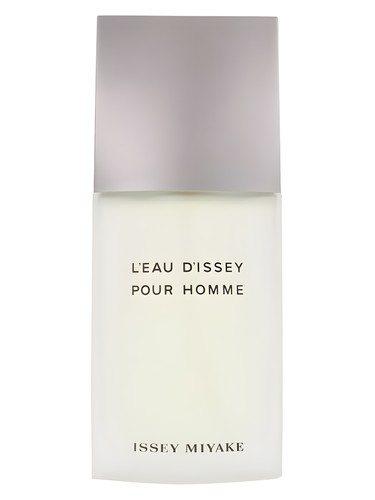
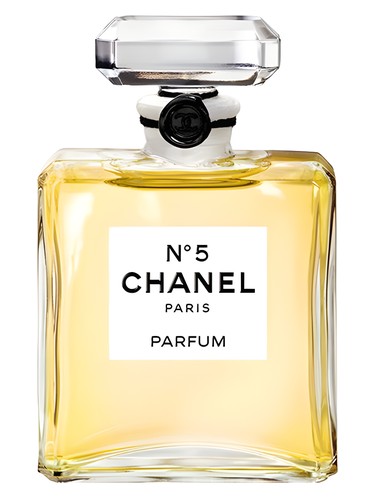
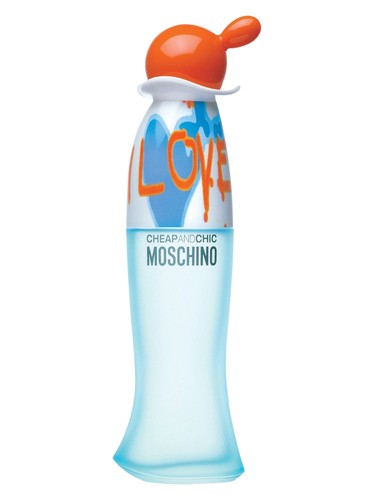
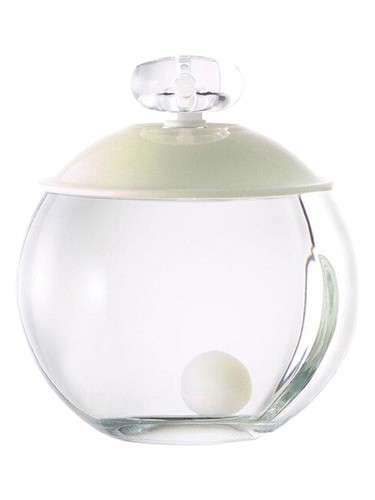
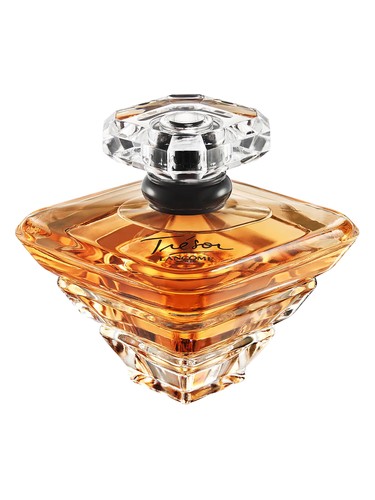
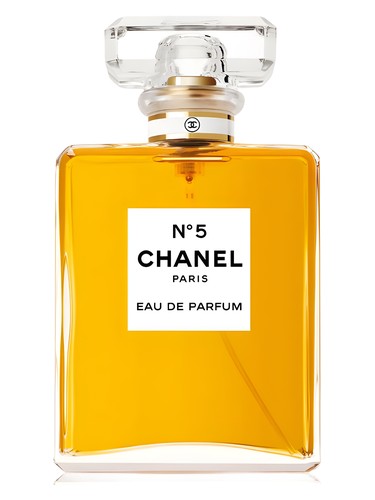
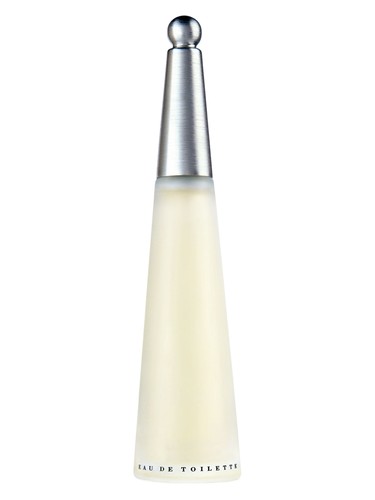
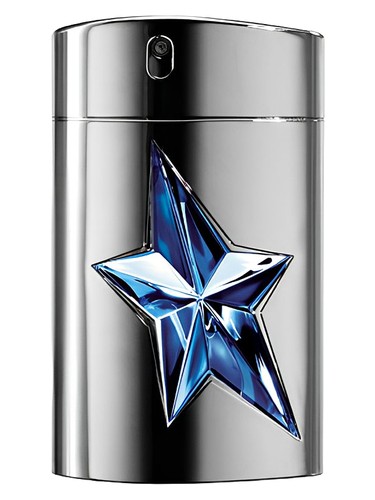
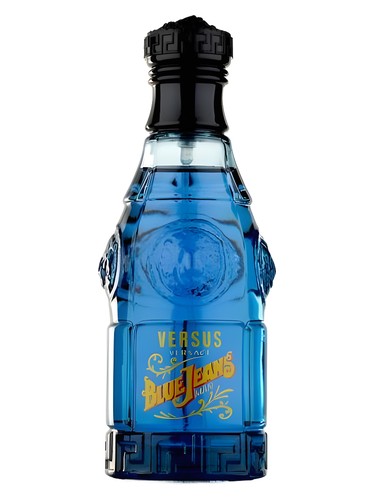
Fragrances that list it in their notes, most-rated first.
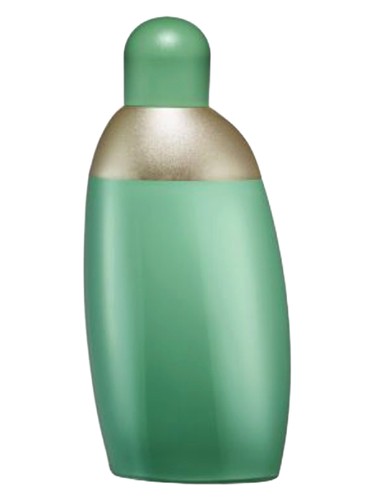
Houses that use it most
Ranked by how many of their well-known fragrances list Lily-of-the-Valley.