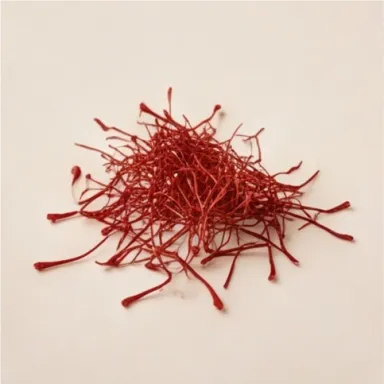
Saffron
Dry, leathery spice with hay, warm skin, and a faint medicinal bitterness.
You may know it from Saffron threads steeping in rice or tea.
Where it comes from
From dried saffron crocus stigmas; also recreated with aroma chemicals.
Worth knowing
Its leathery, medicinal facet can smell unlike the spice in food.
About saffron
About 150,000 flowers, hand-picked at dawn, go into one kilogram of dried stigmas. That labour helps explain the price. Premium saffron spice regularly passes US$5,000 a kilogram, and one encyclopedia entry puts saffron extract for perfumery at 4,000 to 10,000 euros a kilogram in 2025-2026. A perfumery blog claims about $900,000 for a kilogram of absolute, a figure no other source repeats, so the range is wide.
Iran grows around 90% of the world's saffron, and the FAO's page on its qanat-based saffron system says over 90%. The same page describes the crop as a stable and profitable job for about 400,000 people in the region. India, Greece, Spain and Italy also grow it.
Safranal, the main aroma-active molecule behind the hay-leather facet, is absent from the fresh flower. One paper reports that it forms during storage, when picrocrocin, the bitter compound, loses water. One perfumery blog puts safranal at 60 to 70% of the volatile fraction. For perfume, the aroma can be taken by solvent extraction, distillation or supercritical CO2, which one encyclopedia calls the modern route because it works at low temperature and keeps a profile faithful to the raw stigma.
Perfumers also build the note from synthetics. Safraleine is a proprietary Givaudan indenone, which a supplier page describes as spicy, leathery and tinged with tobacco, and offers as a stable, cost-effective alternative to traditional saffron and birch tar materials. Firmenich holds a US patent on newer saffron odorants, described as saffron with a powdery nuance.
The Perfume Society says saffron was popular in ancient Egypt, Greece and Rome, often as a single-note perfume. Western perfumery took it up late. Cafleurebon names Agent Provocateur (2000) as the first modern Western saffron fragrance, while Osmetheca gives that place to Safran Troublant, made by Olivia Giacobetti for L'Artisan Parfumeur in 2002. Writers describe its dry warmth as sharpening the structure of a rose, and Anthony Marmin says that beside oud and sandalwood it adds tension between spice and wood.
Accords it shows up in
How many of the fragrances listing Saffron in our catalogue also carry each accord. We counted this ourselves.
Often paired with
The notes that appear next to Saffron most often in our catalogue.



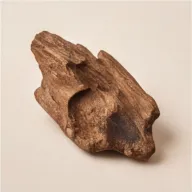





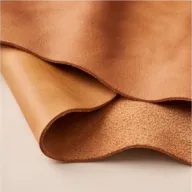


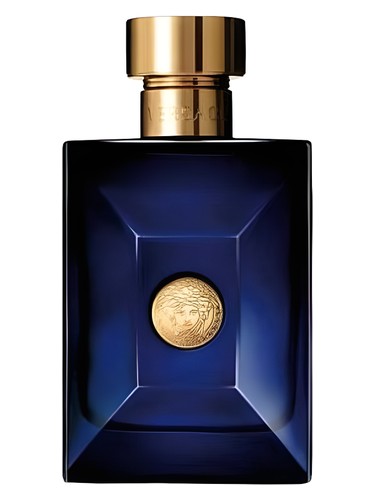
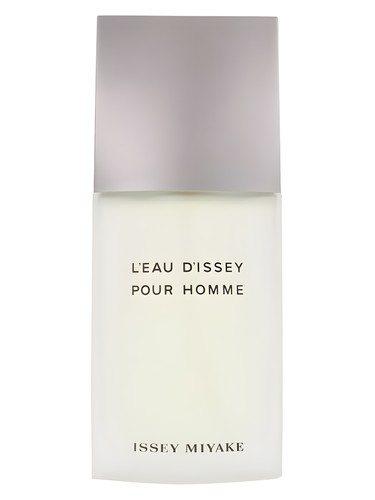
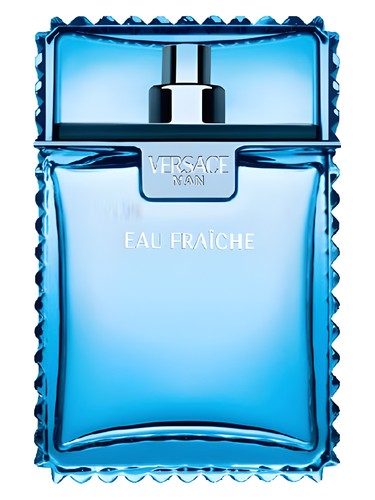
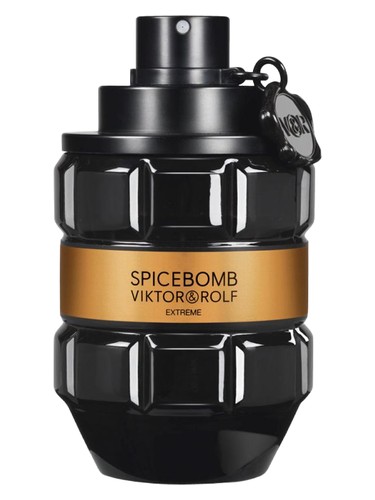
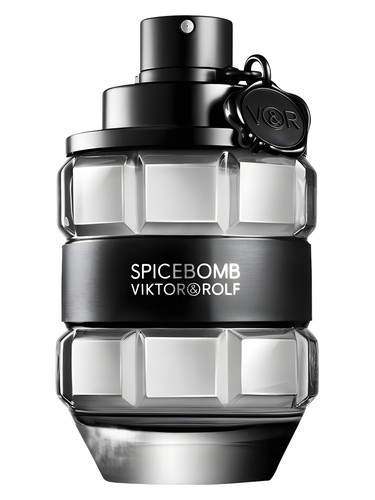
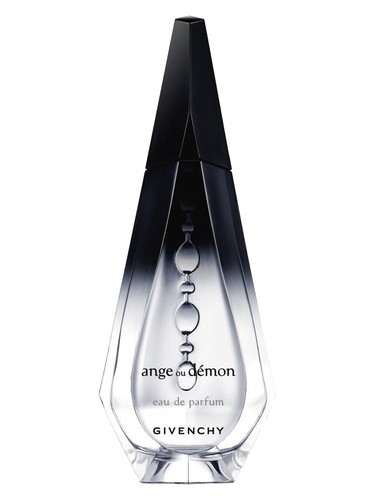
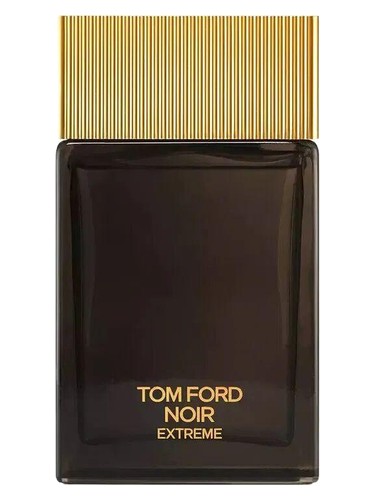
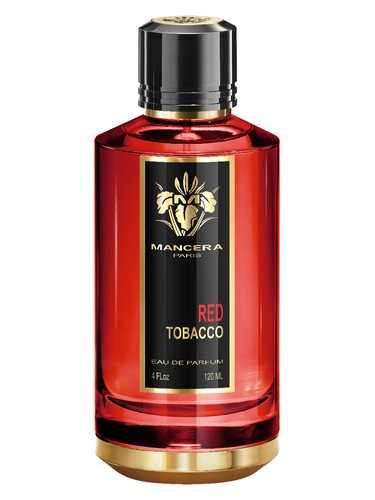
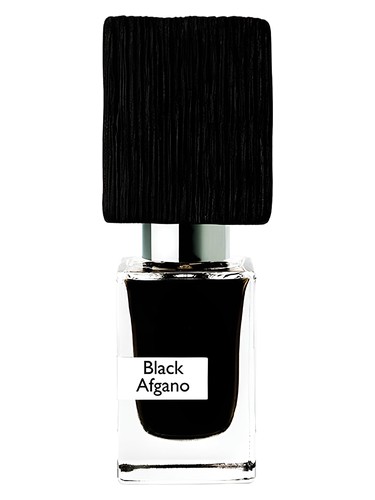
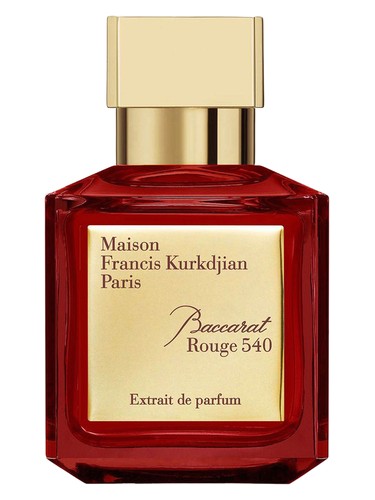
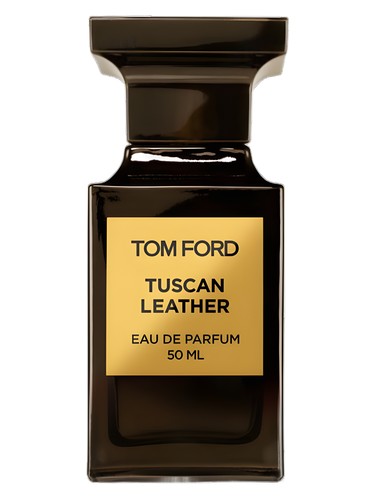
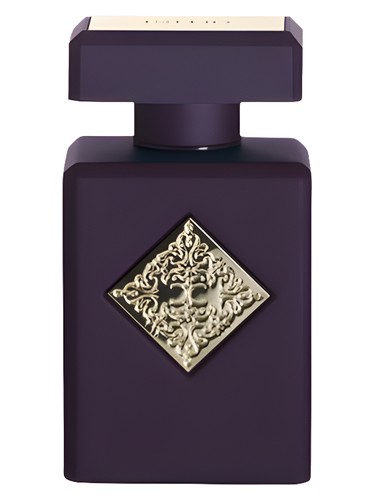
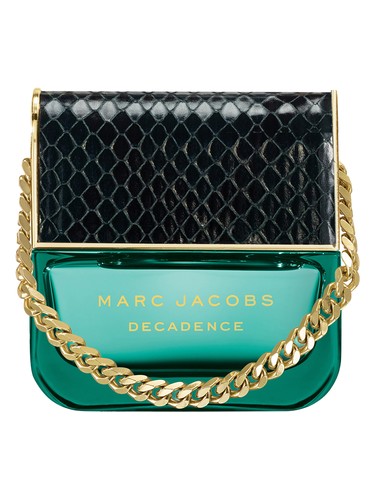
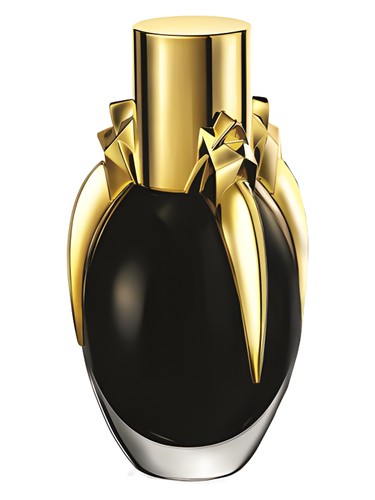
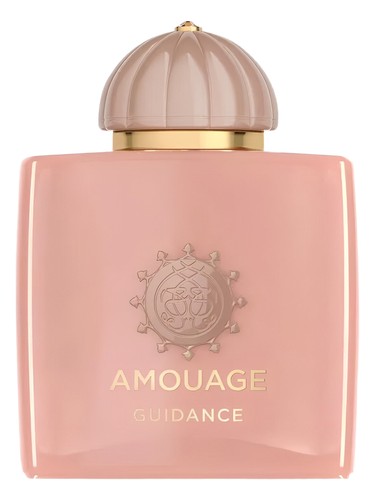
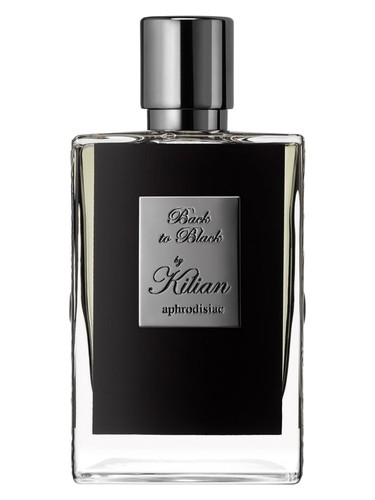
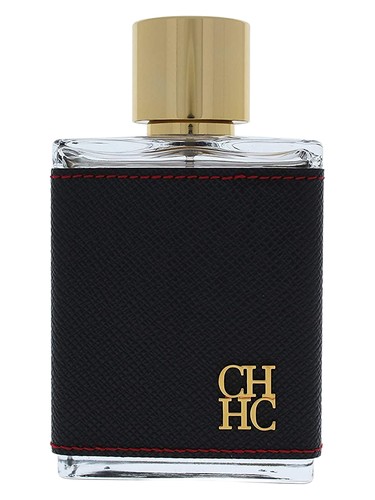
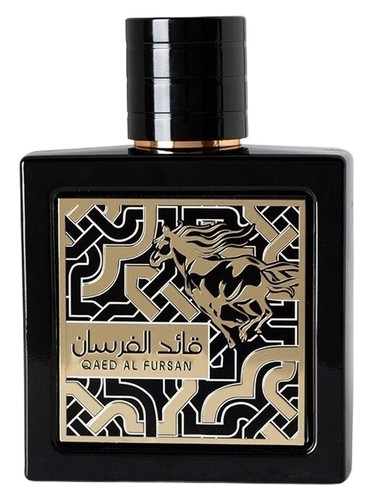
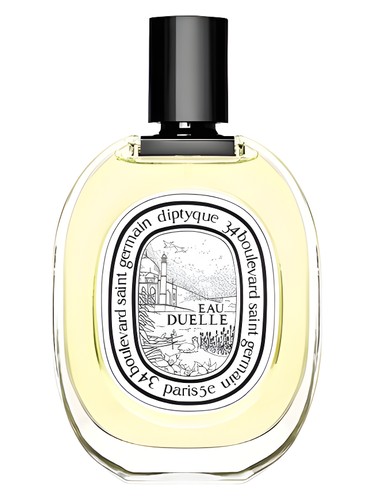
Well-known fragrances with Saffron
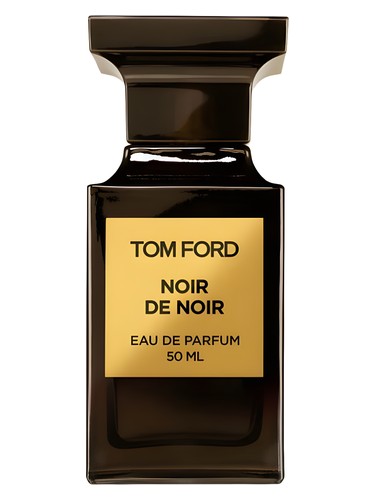
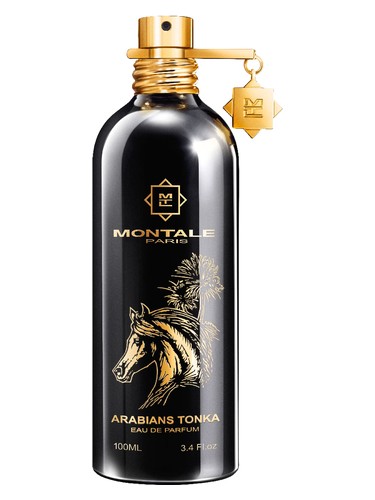
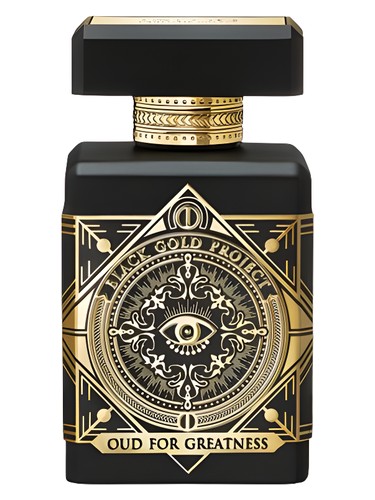
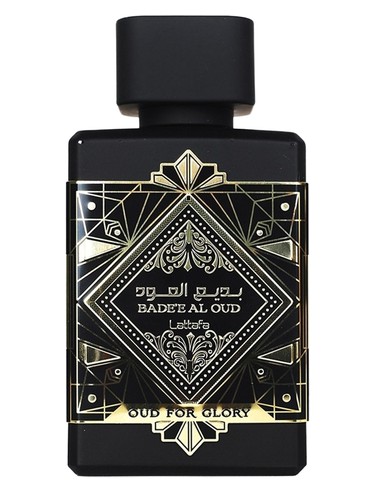
Fragrances that list it in their notes, most-rated first.
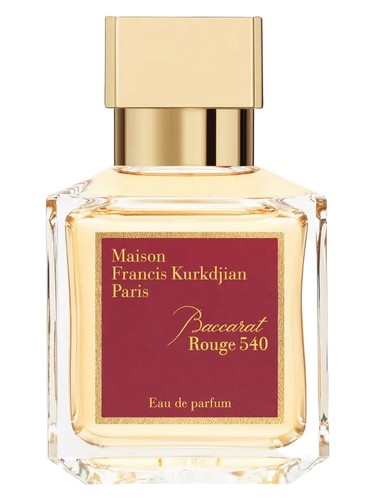
Houses that use it most
Ranked by how many of their well-known fragrances list Saffron.