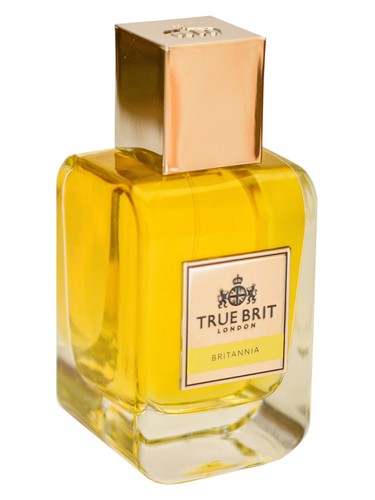
Britannia
Fragrance notes
Character
The anise in Britannia arrives with a sharp bite that can feel abrasive when the air is still. It pushes forward before the other notes have a chance to settle, creating a brief moment where the composition leans too heavily on that singular, cool spice. You are standing on a stone terrace where a breeze moves through a garden of herbs. The lemon brightens the air around you, but it is the crushed basil that defines the immediate space. It smells of green leaves and damp earth, a vivid, living scent that feels grounded in the soil beneath the paving stones. The neroli adds a clean, floral lift that cuts through the dense greenery, preventing the herbs from feeling too heavy.
As you lean against the warm stone, the pineapple emerges, not as a sugary fruit, but as a tart, translucent layer that bridges the gap between the sharp top and the deep base. Sage brings a dusty, dry texture that mixes with the neroli's glow. The atmosphere shifts as the cedar begins to show itself, bringing a dry, structural woodiness that feels like the beams of an old structure. Oakmoss creeps in with a damp, forest-floor character that clings to the air. It is a scent that feels rooted in the ground, yet the citrus keeps the head clear and alert. The vetiver adds a grassy, root-like edge that complements the herbal start perfectly.
Smoke curls upward from a nearby chimney, weaving through the aromatic herbs and the sturdy cedar. It is a thin, grey wisp that adds a serious, shadowed dimension to the bright daylight surrounding you. The moss and vetiver anchor the entire scene, creating a foundation that feels ancient and deeply connected to the landscape you are observing. Nathalie Rouquet built a space where the herbal freshness of the garden meets the dark, earthy woods of the surrounding architecture, and the pineapple continues to glow softly against the
Smells similar
Built from the same materials — ranked by how unusual the shared notes are, not by how many.