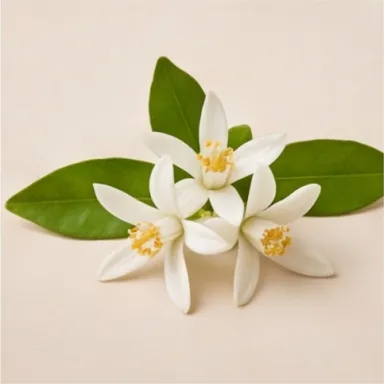
Neroli
Fresh bitter-orange flowers with citrus peel, green leaves, light honey, and a faint clean-metal edge.
You may know it from Orange blossom water in Middle Eastern sweets
Where it comes from
Steam-distilled essential oil from bitter orange tree blossoms.
Worth knowing
Neroli and orange blossom come from the same flowers but are extracted differently.
About neroli
It takes about a tonne of flowers to make a kilo of oil. That is ScenTree's figure, a yield of 0.1%, and a Tunisian trade commentary puts it slightly higher at 1.1 to 1.3 kg per tonne. A US supplier counts the other way round: 1 kg of blossoms gives about 1 g of oil. The flowers belong to Citrus x aurantium, the bitter orange, a hybrid citrus native to Southeast Asia.
Tunisia, Morocco and Egypt are named as the leading producers. One trade piece goes further and puts the Nabeul region of Cap Bon at an estimated 60 to 70% of world neroli, with over 2,500 tonnes of blossom processed there each year, a figure no stronger source repeats. Biolandes gives the harvest as April to May, while Givaudan's page on Tunisian oil gives an earlier window, so the dates differ between producers' accounts.
Givaudan calls the oil greener, lighter and less opulent than orange blossom absolute, and ScenTree says it is less animal. The scent is sweet and honeyed, somewhat metallic, with green and spicy facets. The Perfumer's Apprentice listing for Tunisian neroli adds a green, jam-like back note and unmistakable indole nuances. Perfumersworld files it as a fresh top note for eau de colognes, lasting about five hours on a smelling strip.
Linalool makes up 26 to 48% of Moroccan and Tunisian oil by ScenTree's count, and 26 to 55% of Egyptian; Biolandes gives 26 to 44%. Limonene, farnesol, geraniol and citral are also among the terpenes, and their high content means neroli can cause skin sensitisation.
Reconstituted neroli also exists. BMV Fragrances says it is used for lower cost and stability, and lists its building blocks as linalool, linalyl acetate, limonene, nerolidol, geraniol, nerol, citral, indole and jasmone.
Accords it shows up in
How many of the fragrances listing Neroli in our catalogue also carry each accord. We counted this ourselves.
Often paired with
The notes that appear next to Neroli most often in our catalogue.











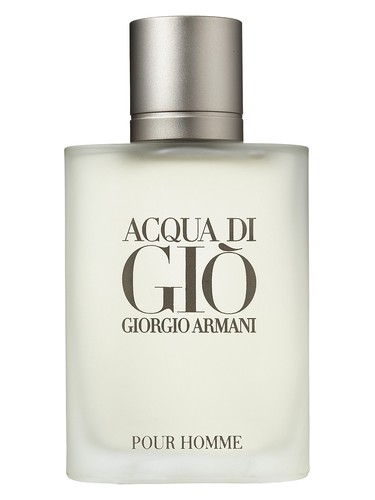
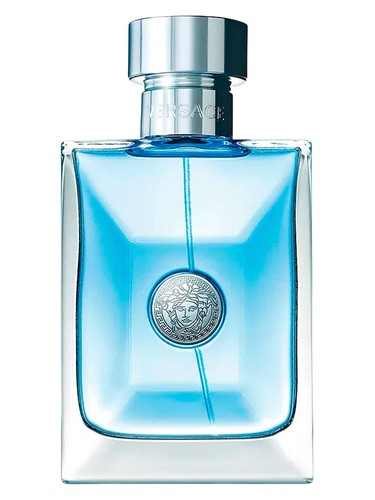
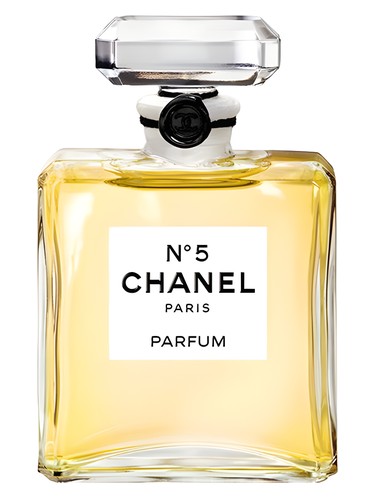
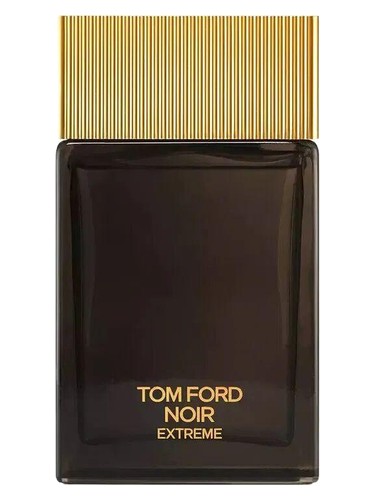
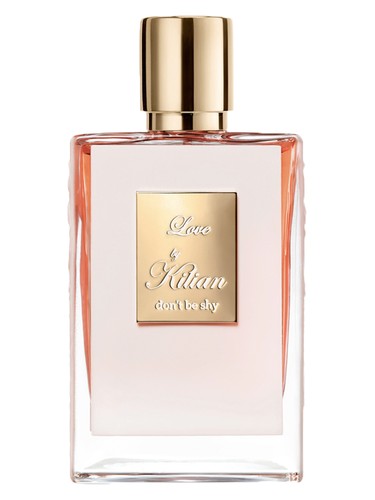
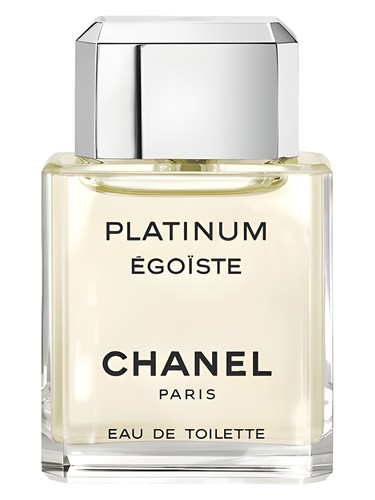
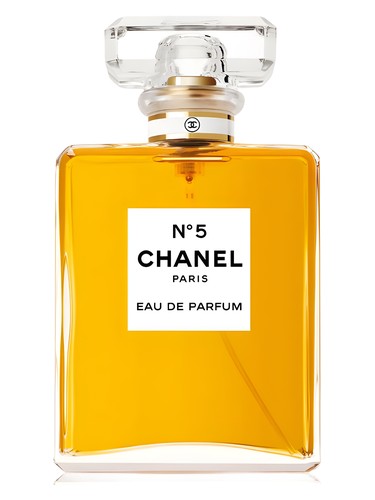
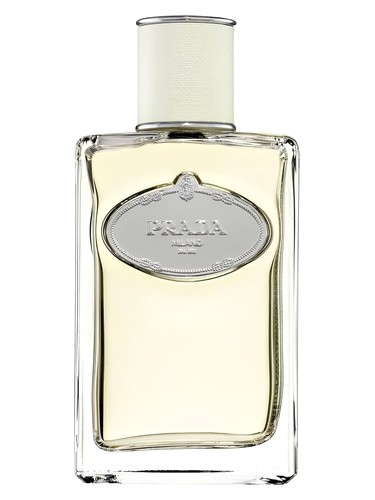
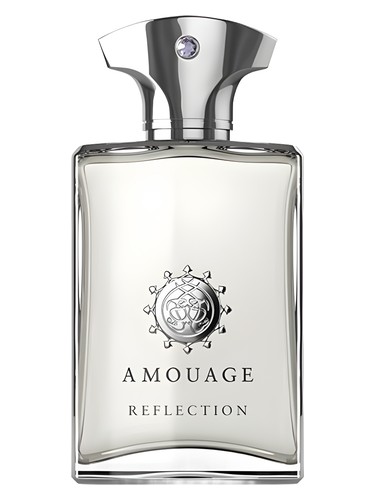
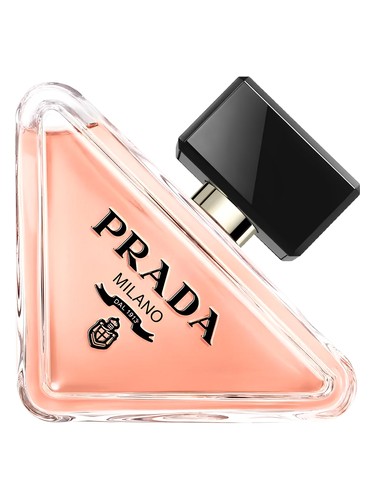
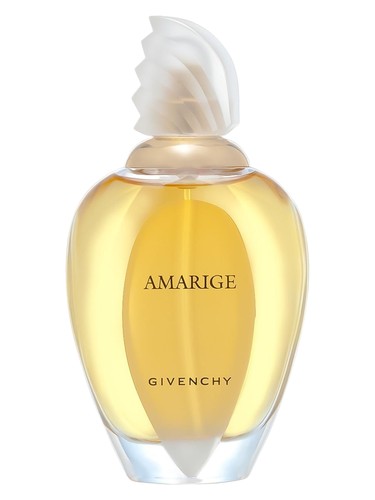
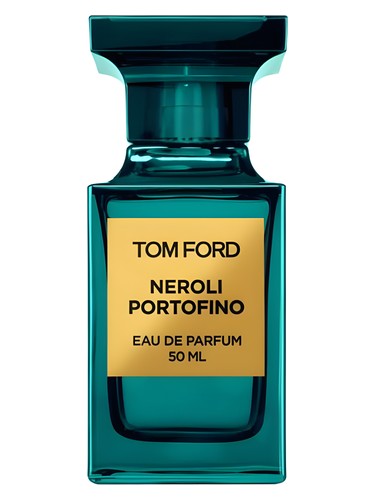
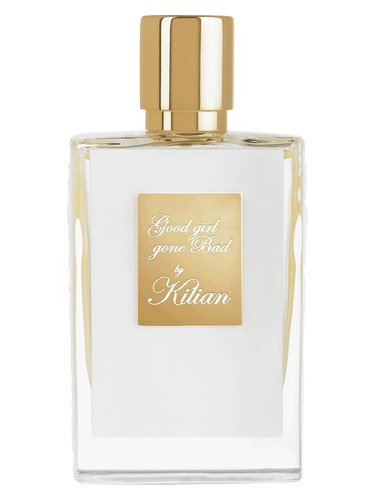
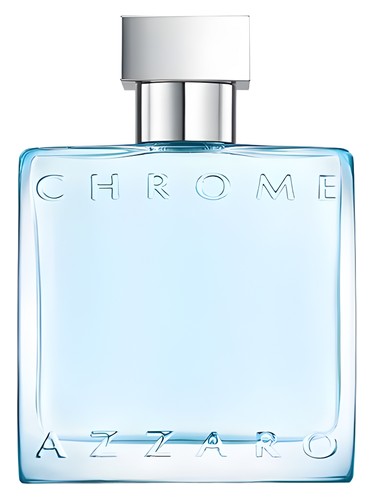
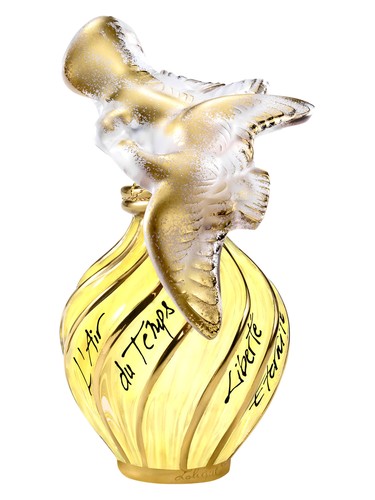
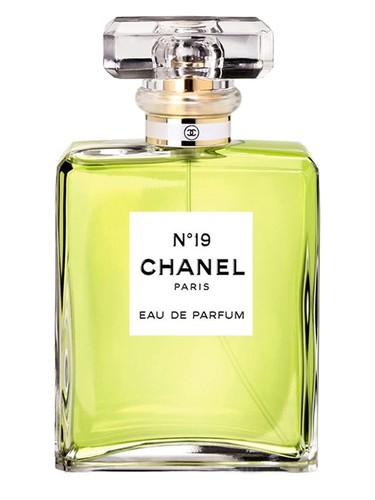
Well-known fragrances with Neroli
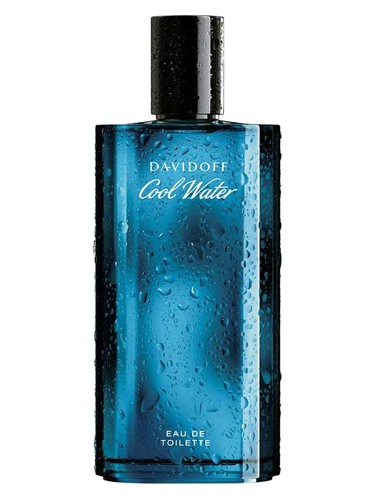
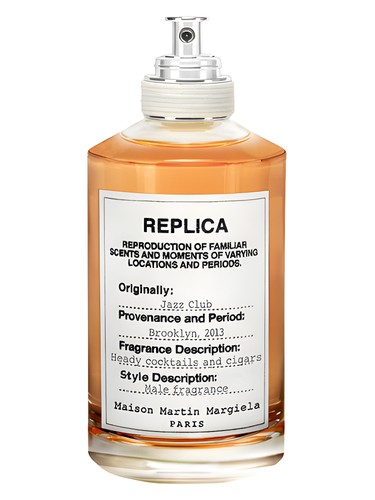
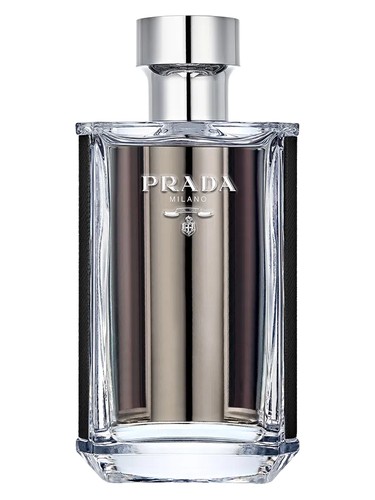
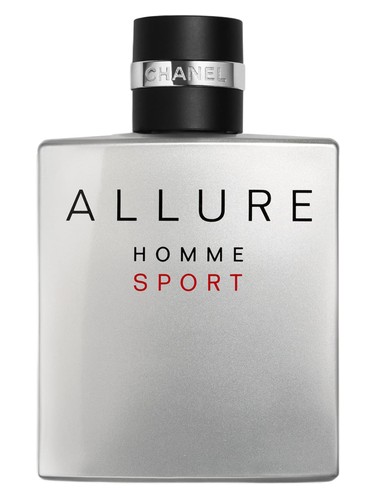
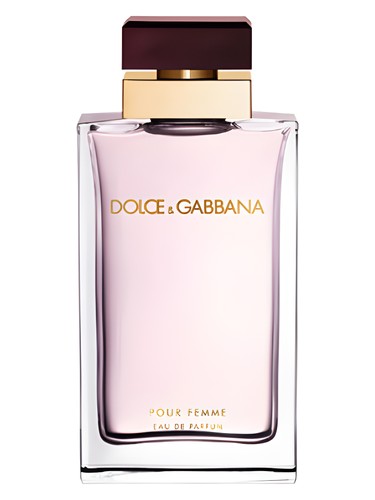
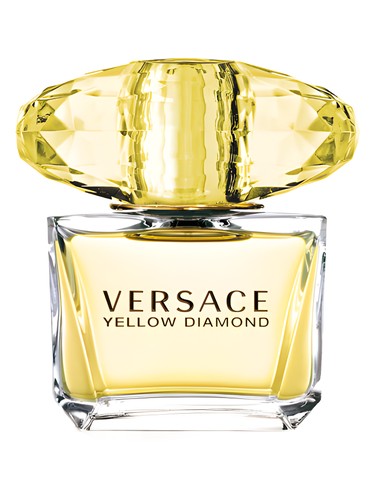
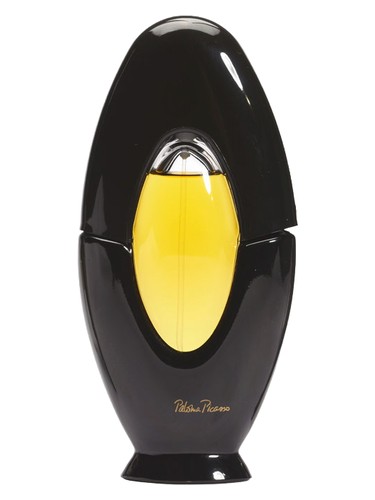
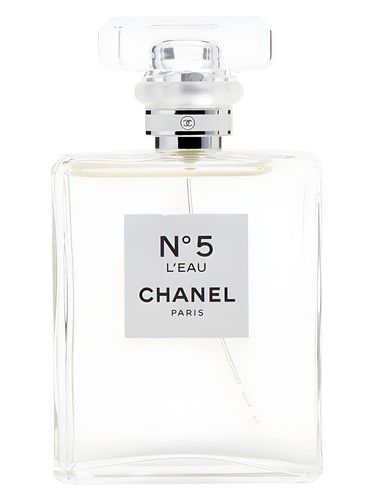
Fragrances that list it in their notes, most-rated first.
Houses that use it most
Ranked by how many of their well-known fragrances list Neroli.