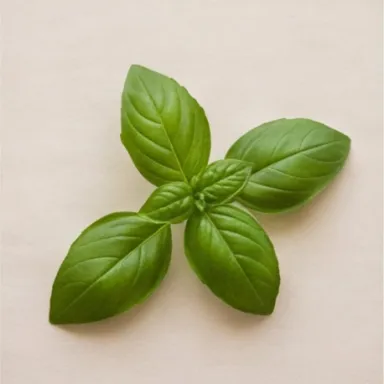
Basil
Crushed fresh basil leaves: green, peppery, slightly sweet and minty.
You may know it from Fresh basil in pesto or tomato salad
Where it comes from
Steam-distilled essential oil from basil leaves and flowering tops.
Botanical name: Ocimum basilicum
About basil
Two bottles sold as basil oil can smell different. Essential Nose says linalool gives the sweetness and estragole the aniseed edge, and the balance shifts with the season and the variety. Suppliers sort the oils into chemotypes: one premium-skincare supplier names a methyl chavicol type from Comoros and Vietnam and a linalool type from Egypt and Europe. The sorting is not tidy, though. The Good Scents Company lists an Egyptian oil as tarragon-like, with estragole up to 80% among its IFRA components.
The numbers swing widely. European basil oil is rich in linalool and methyl chavicol, at about 3:1. In one controlled trial, a purple-leaf basil grown on the same plot as the thyrsiflora variety gave 57.3% methyl chavicol, while the thyrsiflora gave 68.0% linalool. The Tisserand Institute puts the estragole chemotype at 75 to 87% estragole.
The plant behind the note is sweet basil, Ocimum basilicum, native to India and other tropical and subtropical regions stretching across Southeast Asia to northern Australia, and now grown worldwide. One supplier describes the odour as a sharp green-herbal burst that settles into a sweet herbal heart over hours, then a faint warm-herbaceous base over days. The Good Scents Company lists Egyptian oil as sweet, herbal, tarragon-like, green, licorice and fennel-like. In perfumery it serves as a fresh, spicy top note in fougère, green and aromatic compositions, alongside lavender, clary sage and citrus. In small doses it adds crispness to green-floral accords.
Estragole is restricted under IFRA's 51st amendment, with limits that vary by product category; ScenTree gives a range from 0.00021% to 0.11%. EU bodies read the compound differently. The herbal medicines committee found short-term use at recommended doses not a significant cancer risk, while the Scientific Committee on Food called for reduced exposure, calling it genotoxic and carcinogenic. The Tisserand Institute says the linalool type needs no restriction and the estragole type should stay at a maximum topical concentration of 0.1%.
Accords it shows up in
How many of the fragrances listing Basil in our catalogue also carry each accord. We counted this ourselves.
Often paired with
The notes that appear next to Basil most often in our catalogue.











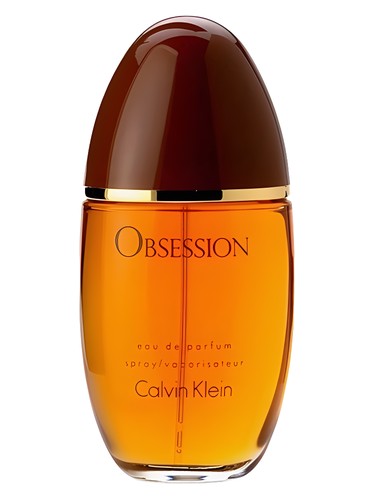
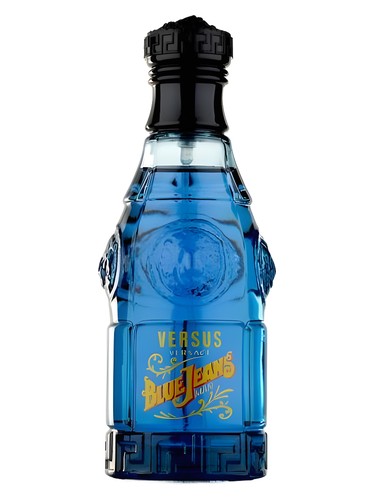
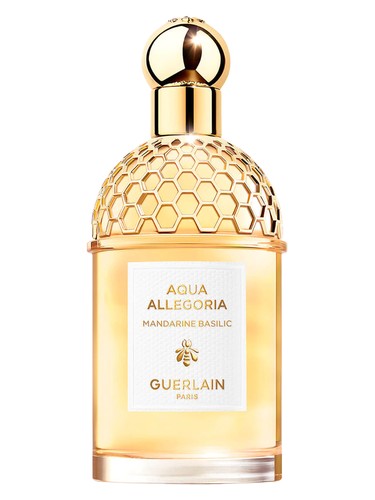
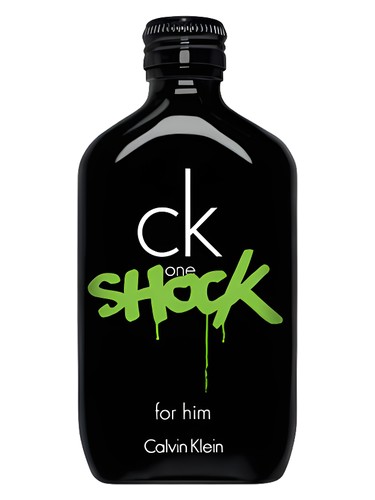
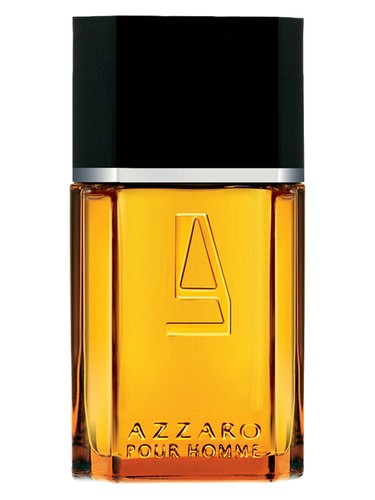
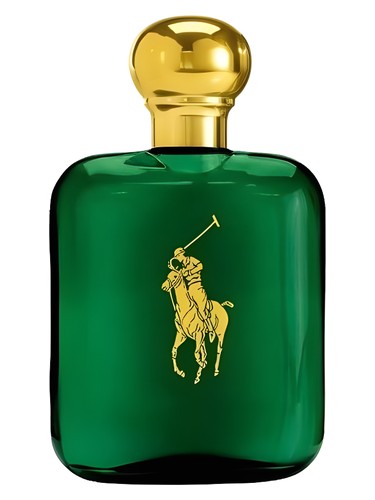
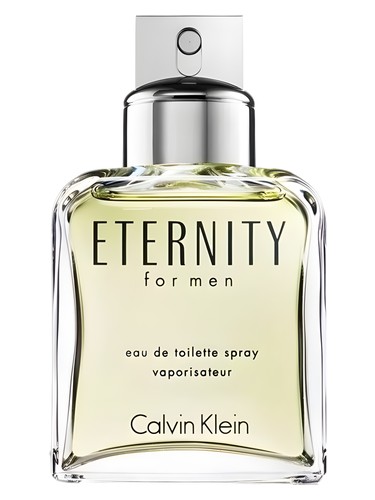
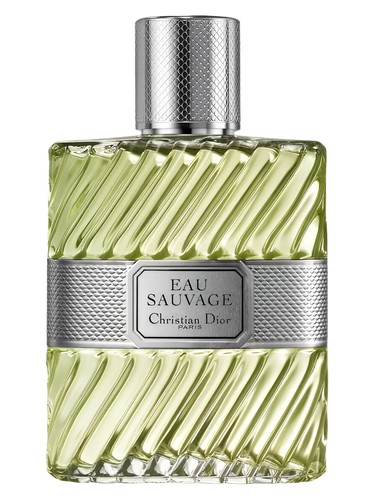
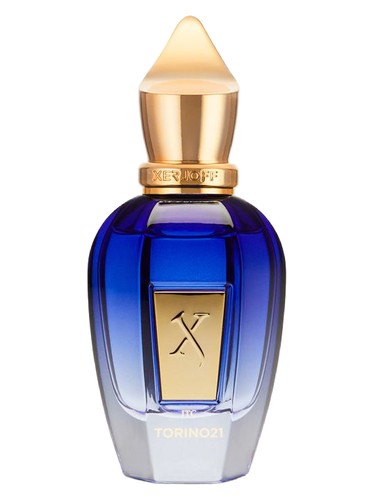
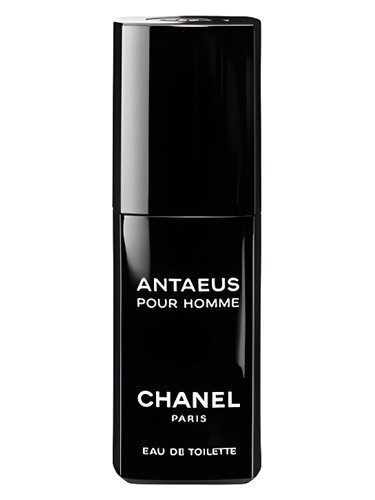
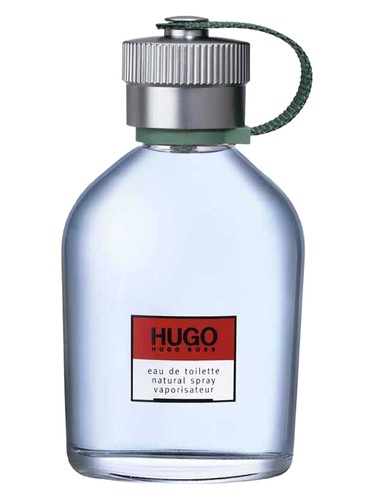
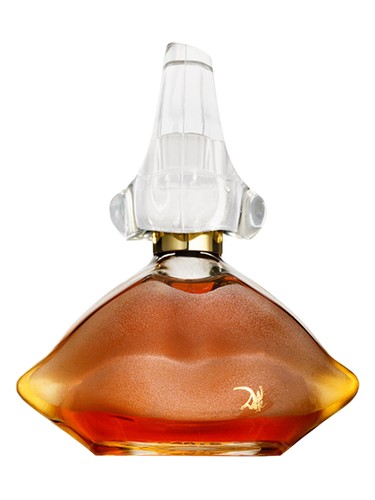
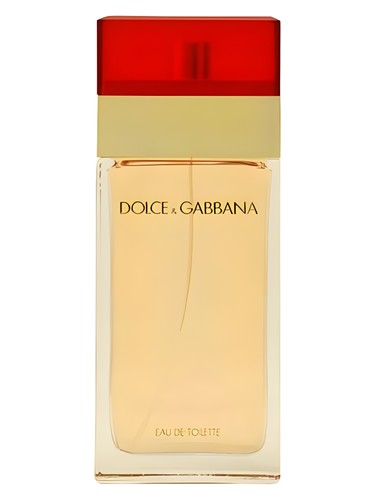
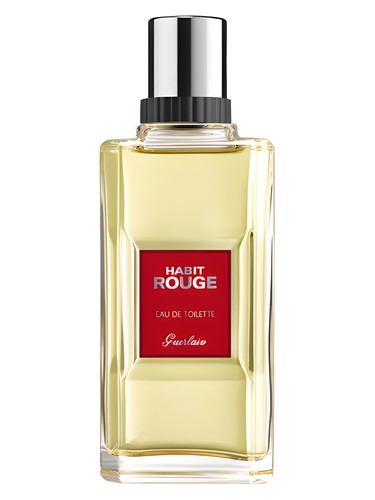
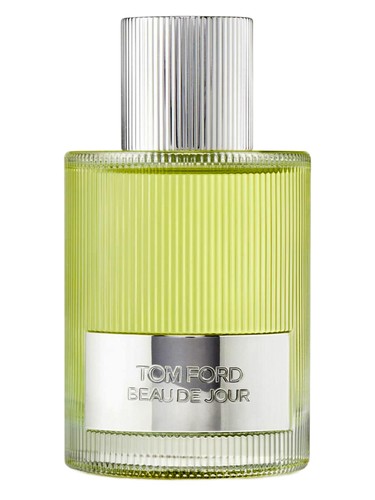
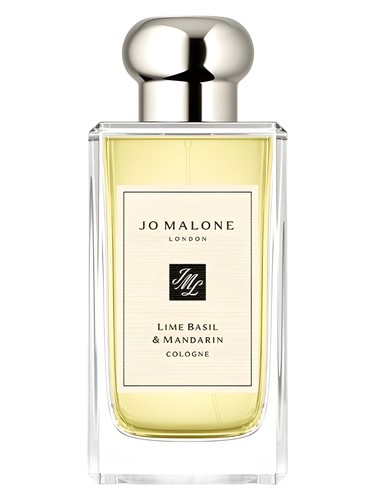
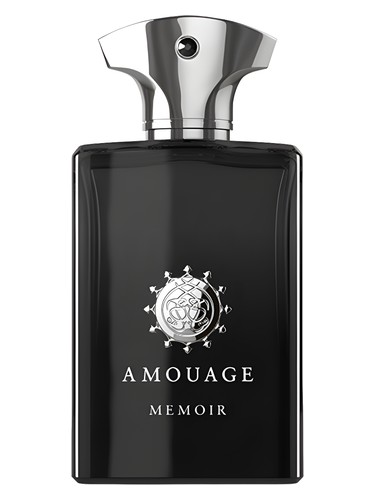
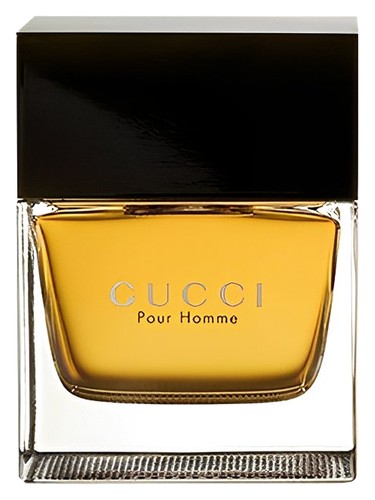
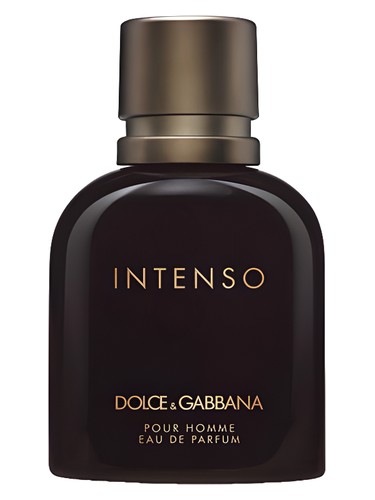
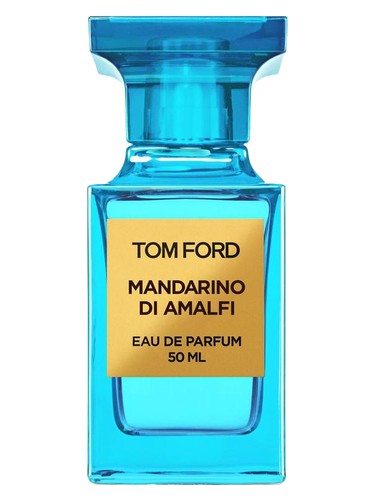
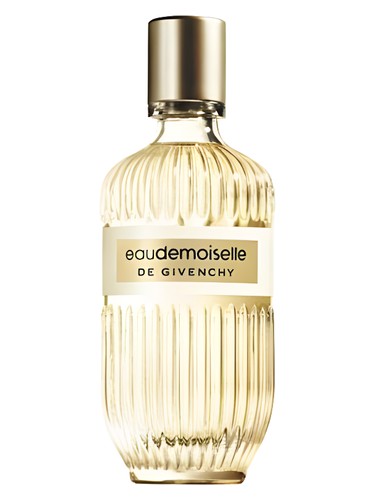
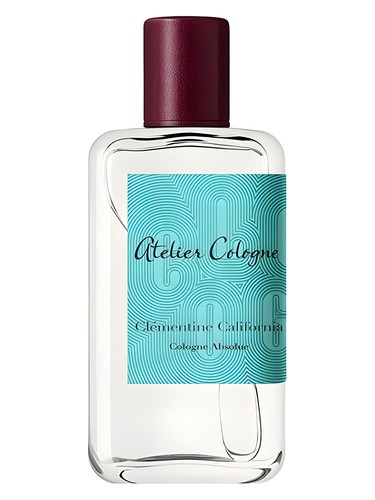
Well-known fragrances with Basil
Fragrances that list it in their notes, most-rated first.
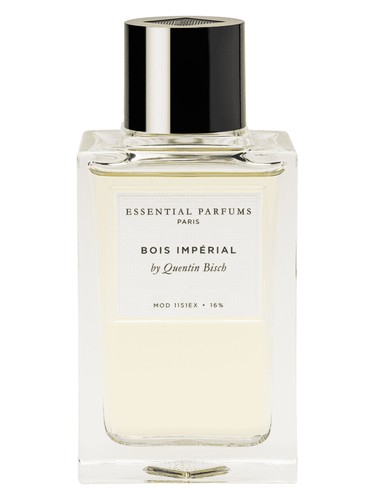
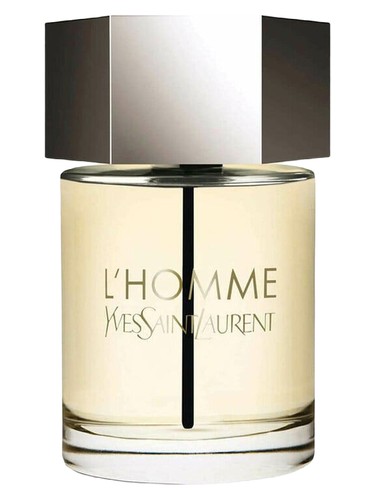
Houses that use it most
Ranked by how many of their well-known fragrances list Basil.