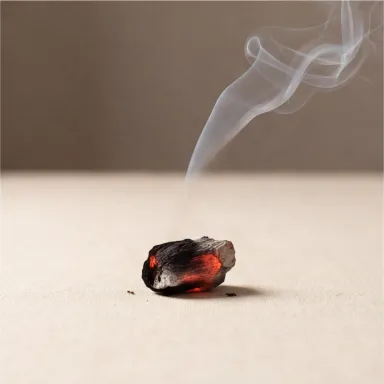
Smoke
Burnt wood, charred paper and the dry, lingering air after a campfire.
You may know it from wood smoke from a fireplace or campfire
Where it comes from
Made from natural smoke extracts and laboratory-made smoky aroma materials.
Worth knowing
It describes a scent effect, not one single ingredient.
About smoke
One guide describes smoke as an accord built from natural and synthetic sources, and the natural half of it starts with wood heated until it breaks down. Birch tar comes from dry distillation of birch wood or bark, a pyrolysis, with Betula pendula and B. pubescens as the sources. Scentspiracy puts the perfumery oil's supply mainly with distillers in Russia, Scandinavia and Central Europe. Cade oil follows the same logic, being obtained by destructive distillation of the wood of Juniperus oxycedrus.
The smell has a chemistry behind it. Guaiacol is present in wood smoke, where it results from the pyrolysis of lignin. Hardwood lignin also yields syringol, which one glossary calls sweeter and less harsh. Birch tar oil is a complex mixture with no single formula, rich in phenols and aromatic hydrocarbons, and ScenTree and Scentspiracy both describe a sharp, smoky, leathery-phenolic profile.
Perfumers can also reach for single molecules. Isobutyl quinoline gives a burnt-leather quality, and guaiacol and syringol are used as isolates. Chanel's text for Cuir de Russie cites the smell of boots tanned by birch bark, and Bois de Jasmin says Ernest Beaux relied on the aggressive, smoky notes of isobutyl quinoline in it.
Raw tars come with a safety problem. The IFRA standard says crude birch wood or bark pyrolysates should not be used as a fragrance ingredient. ScenTree gives the figures for rectified oil, a distillate with 10 ppm of benzopyrenes instead of 1000 ppm, and no more than 1 ppb in the final product. Scentspiracy adds that rectified fractions or synthetic reconstitutions are now favoured for the smoky effect, and that birch tar is often used in very low dosage. Crude cade oil is excluded as well, and only rectified cade oil that meets the IFRA limits for polynuclear aromatic hydrocarbons is allowed.
Accords it shows up in
How many of the fragrances listing Smoke in our catalogue also carry each accord. We counted this ourselves.
Often paired with
The notes that appear next to Smoke most often in our catalogue.










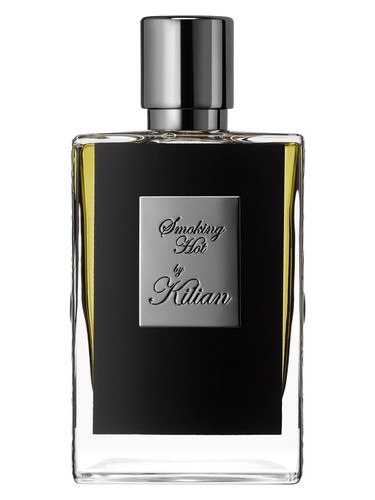
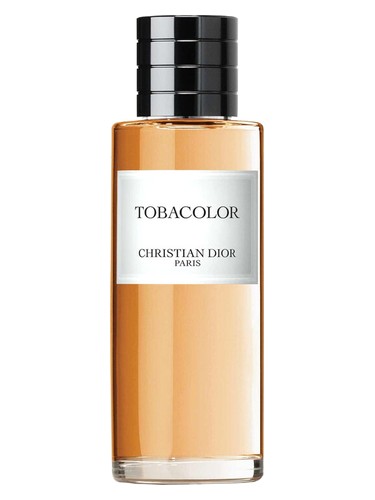
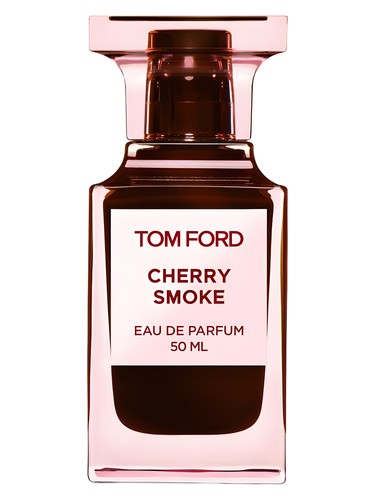
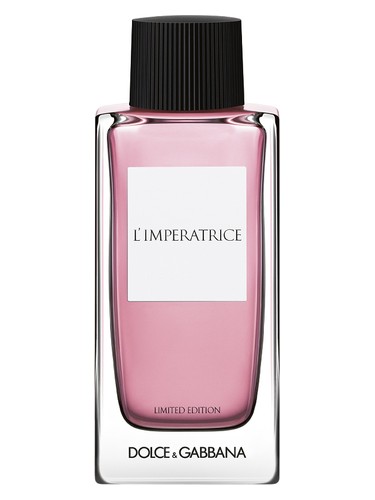
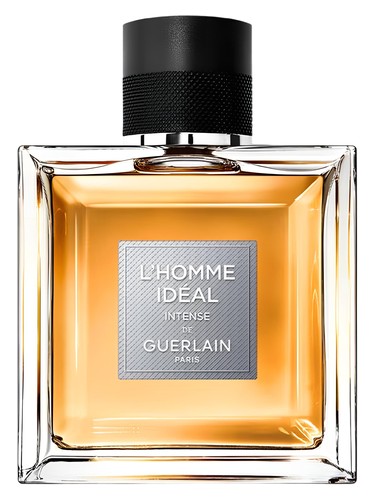
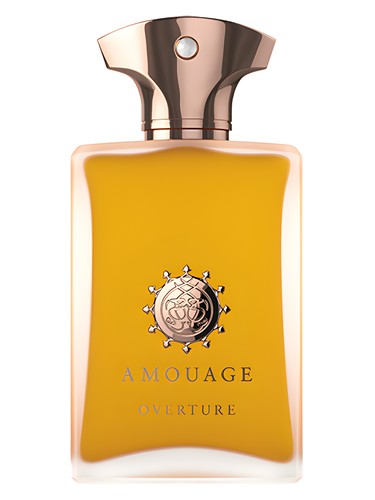
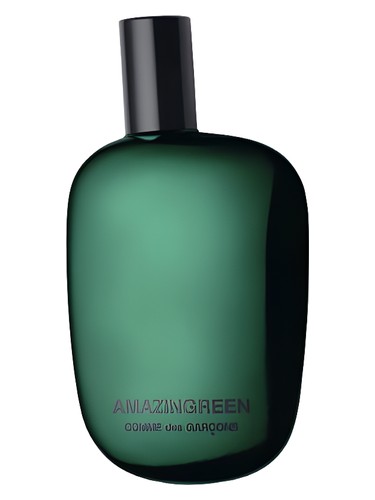
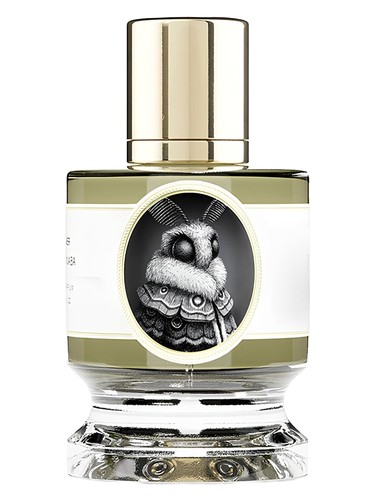
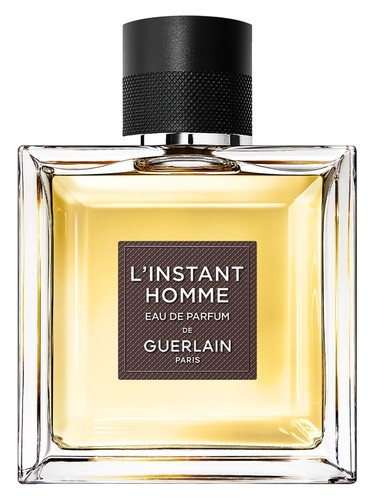
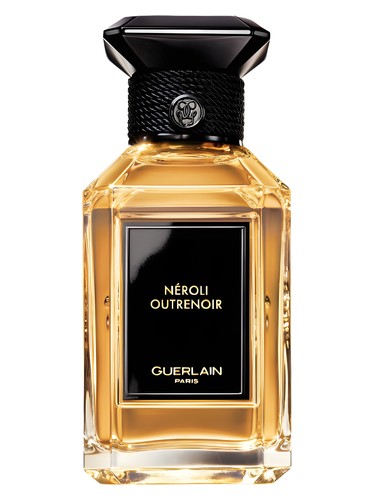
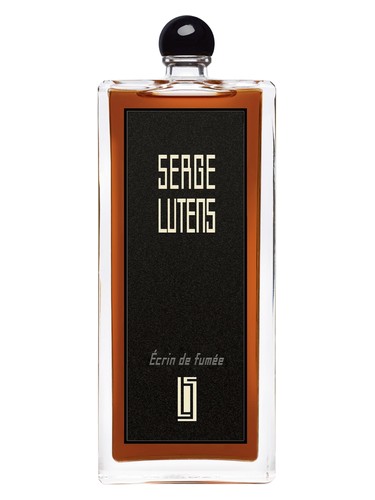
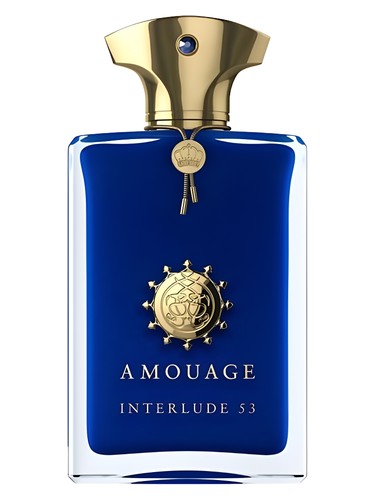
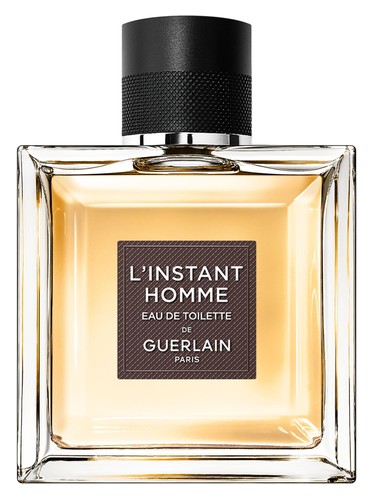
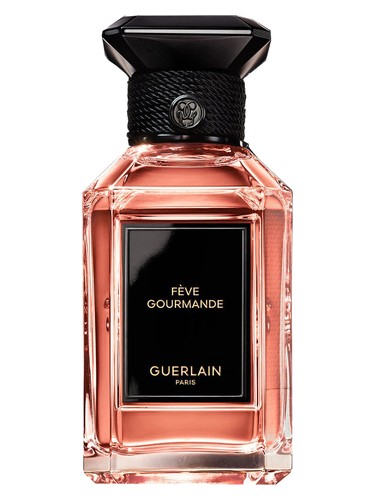
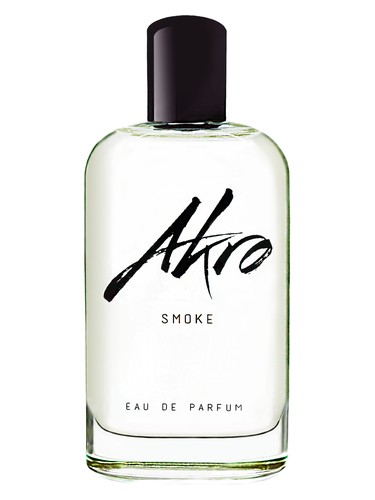
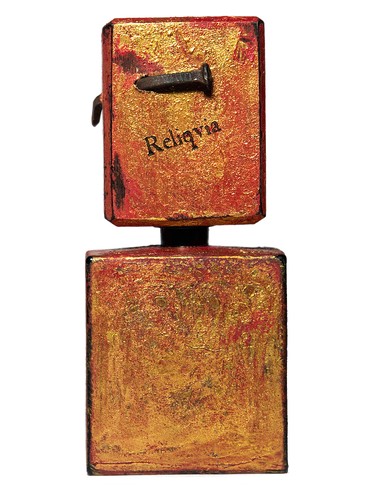
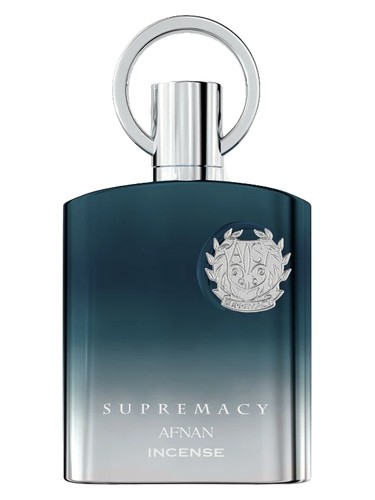
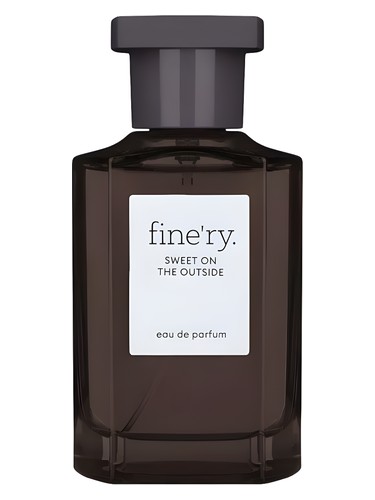
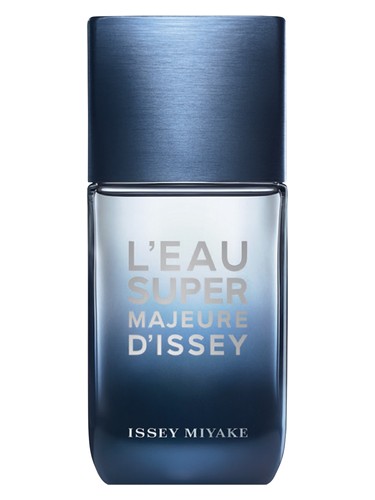
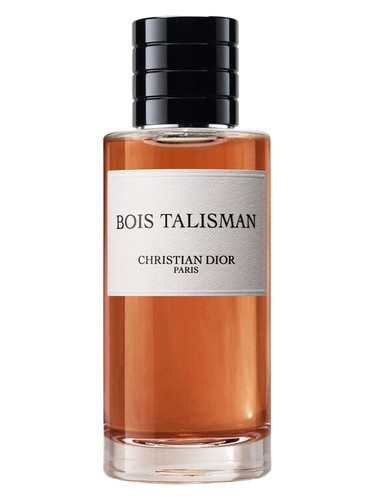
Well-known fragrances with Smoke
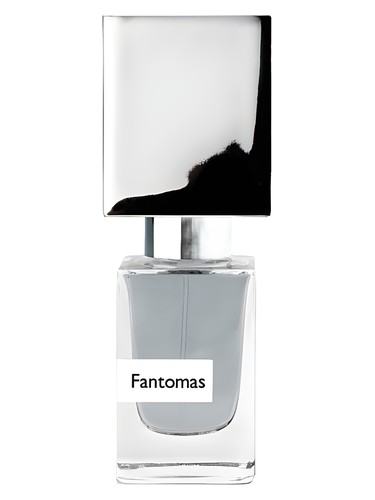
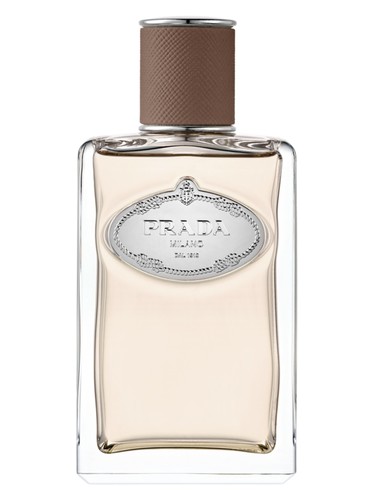
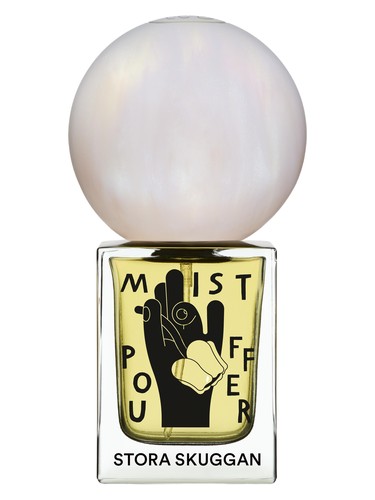
Fragrances that list it in their notes, most-rated first.

Houses that use it most
Ranked by how many of their well-known fragrances list Smoke.