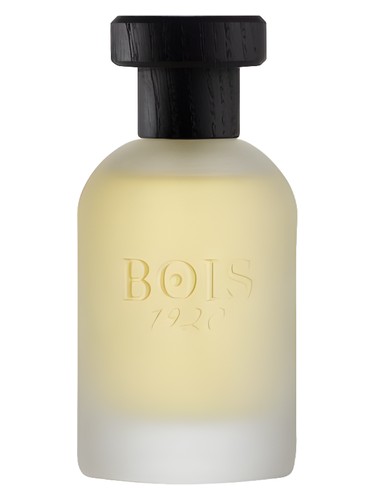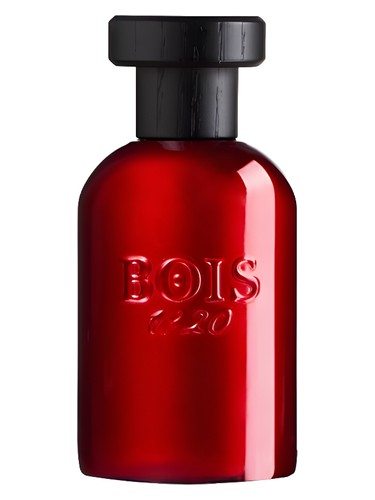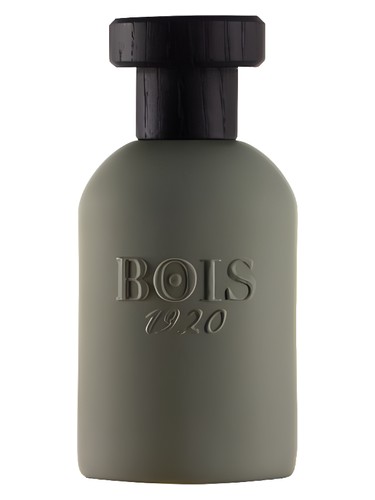
Itruk
Fragrance notes








Character
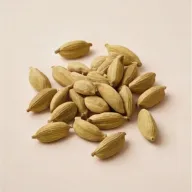
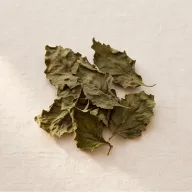
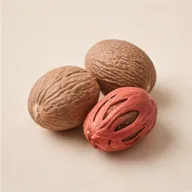
Itruk by Bois 1920 opens like a spice merchant cracking open a jar of peppercorns under a cold sky. Black pepper and cardamom hit first, sharp and electric, while cumin and juniper add a savory, almost sour edge that keeps things from feeling too polite. The pink pepper fizzes in the background, but this is no bright citrus cologne—it’s dense, brooding, and immediately serious. Within minutes, the heart takes over with patchouli’s dark earth and nutmeg’s warmth, though iris and amberwood soften the blow, giving the spice a powdery, almost cosmetic undertone that feels like an old cedar wardrobe filled with resin and dust.
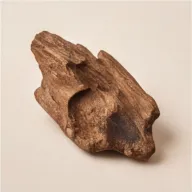
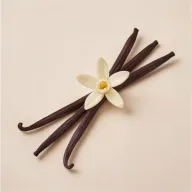
The dry down is where Itruk earns its place. Incense and agarwood rise like smoke from a censer, but vanilla and tonka bean wrap around them, making the oud feel plush rather than scratchy. It settles into a single image: a candlelit tent at dusk, wool blankets, brass trays, the air thick with roasted coffee and dried herbs. The scent is heavily amber and woody, leaning warm-spicy rather than sweet—natural enough in its raw materials, but assembled with a niche hand that never tries to impress a crowd.
That’s the catch. Longevity and sillage hover around moderate, not monstrous. You get three or four hours of real presence before it pulls close to the skin, a ghost of itself. It shines in fall and winter, when its smoky balsamic weight feels like a coat, and it works best at night—dinner, a concert, a quiet bar where the conversation runs deep. Skip it for hot summer days or if you prefer light, airy scents. Itruk is for someone who wants to smell like a story, not a compliment.
Smells similar
We matched these by the notes each one lists, giving more weight to the unusual ones they share. Sharing materials does not make one a copy of the other.