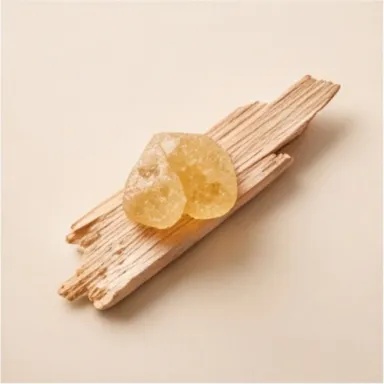
Amberwood
Dry, warm, smooth wood with a soft amber-like warmth and a hint of cedar.
Where it comes from
A laboratory-made woody-amber scent material, sometimes a blend of several molecules.
Worth knowing
Despite its name, it is not amber or a particular type of wood.
About amberwood
Sources disagree on whether amberwood is one molecule or many. One glossary calls it a perfumer's umbrella term for a class of ambery-woody synthetic molecules, listing Iso E Super, Norlimbanol, Ambrocenide and Cetalox/Ambroxan under it, and says it is sometimes used loosely for a blend. ScenTree, a database of perfume ingredients, treats Amberwood F as a single molecule, also sold as Boisambrene Forte. Its chemical name is ethoxymethoxycyclododecane, CAS 58567-11-6, and it is listed as synthetic.
That molecule is made from cyclododecanol, reacted with a gaseous complex of paraformaldehyde and hydrochloric acid. The chloromethoxy intermediate is then ethylated. Good Scents Company classes the result as a low-volatility base note and lists its substantivity on a blotter at 168 hours. ScenTree describes a typical amber note in symbiosis with an elegant woody part, and Good Scents a dry cedar-like wood with dusty, ambergris-like nuances. One perfume-ingredient guide calls it dry, woody, musky and subtly mineralic, with sweetness only a faint undertone.
The name suggests resin and timber, but "amber" here means the dry, ambergris-like note. A glossary dates these materials from the 1970s onward, when they were developed as substitutes for natural ambergris and to widen the woody palette. One perfumery blog says perfumers no longer need real ambergris, since they have synthetics to recreate it.
The same blog sketches a typical build in which Ambroxan supplies the ambergris core while Iso E Super and Cedramber form a smooth woody canvas. Iso E Super's own smell is given as smooth, woody and amber, with a velvet-like feel. Ambrocenide sits at the strong end of the family: described as an extremely powerful woody-ambery note, cedar-like, cold and slightly smoky, with one retailer page giving typical use at 0.1% to 2%. Its developer is named as Symrise by one source and Firmenich by another.
Limits for Boisambrene Forte differ by source. ScenTree lists 0.27% in category 1 under the IFRA 51st amendment, Good Scents quotes up to 5% in the fragrance concentrate, and a glossary says no restrictions are known. Good Scents also lists it as approved as a perfuming agent in the EU cosmetics database CosIng.
Accords it shows up in
How many of the fragrances listing Amberwood in our catalogue also carry each accord. We counted this ourselves.
Often paired with
The notes that appear next to Amberwood most often in our catalogue.











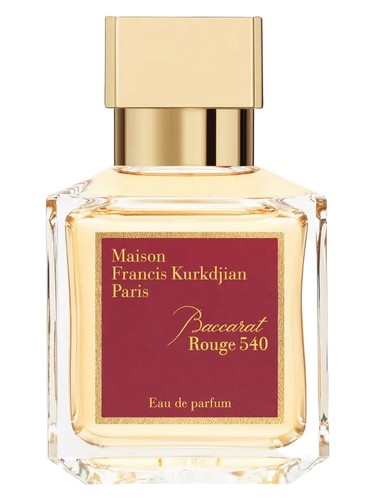
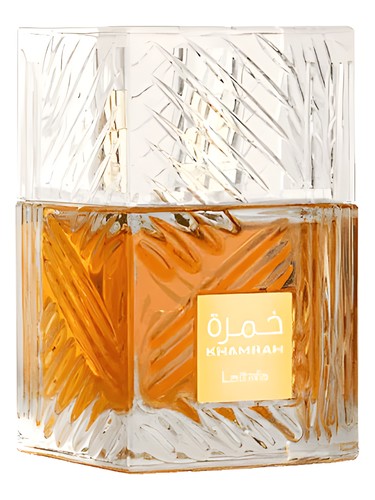
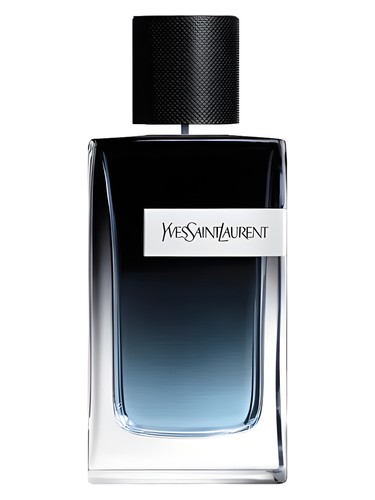
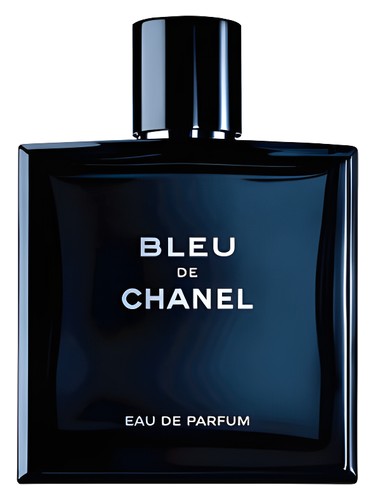
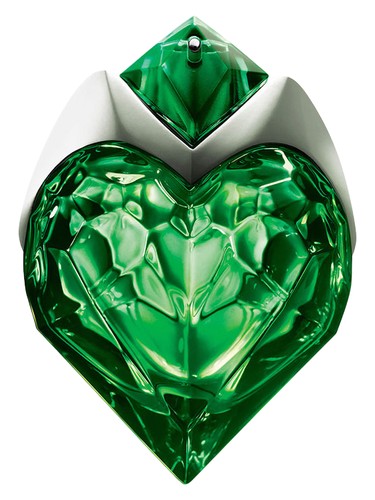
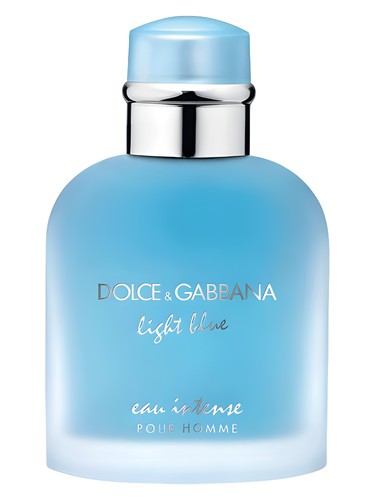
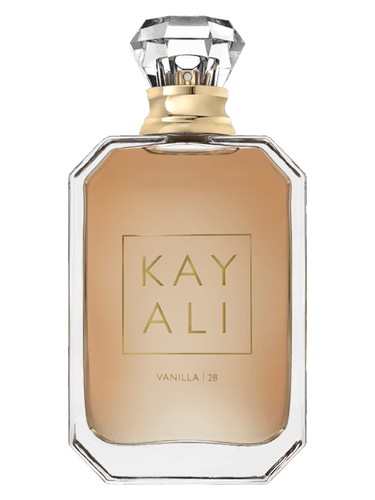
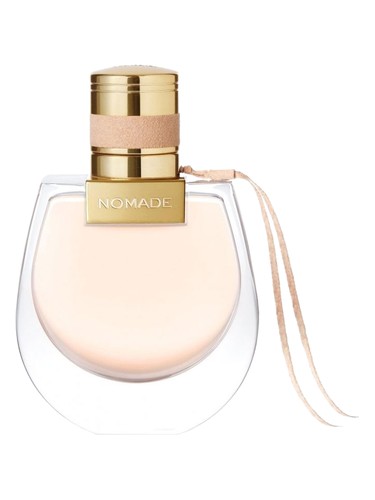
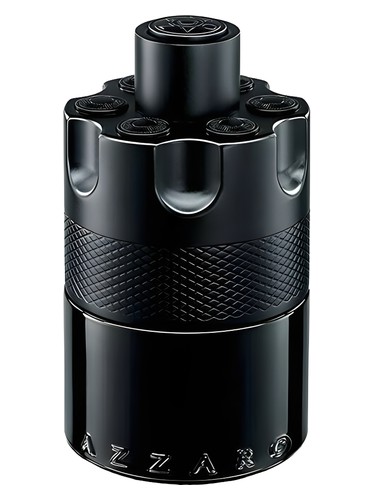
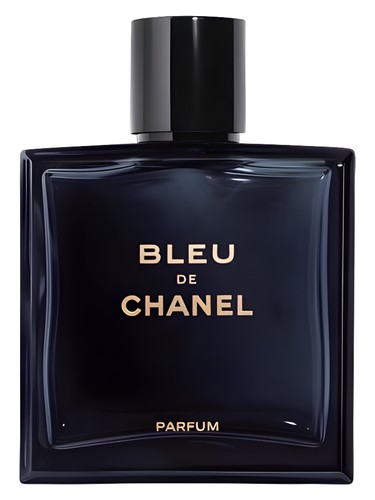
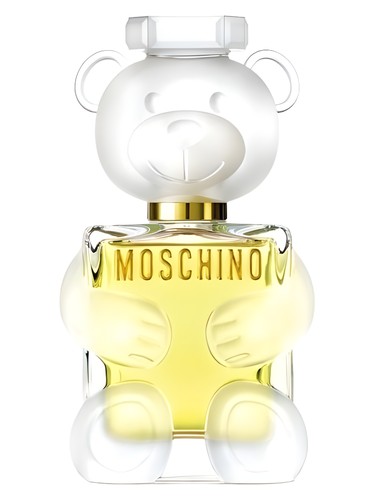
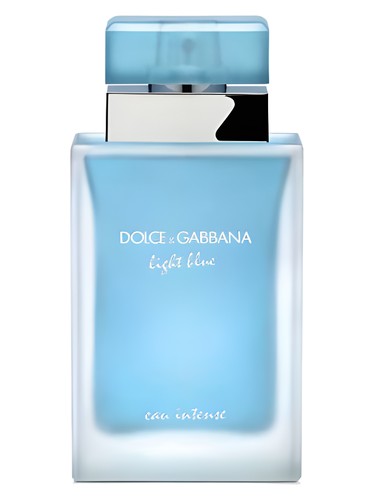
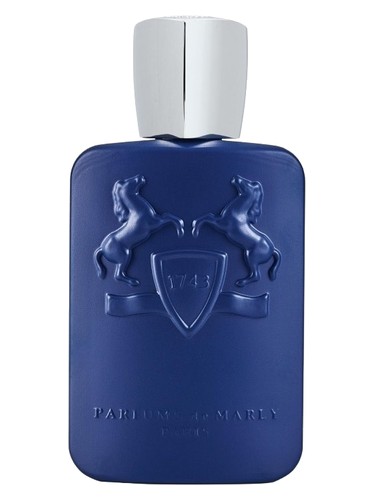
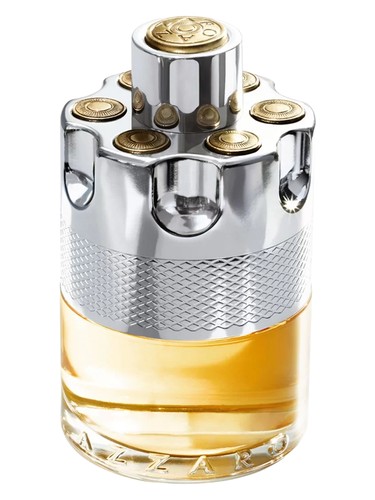
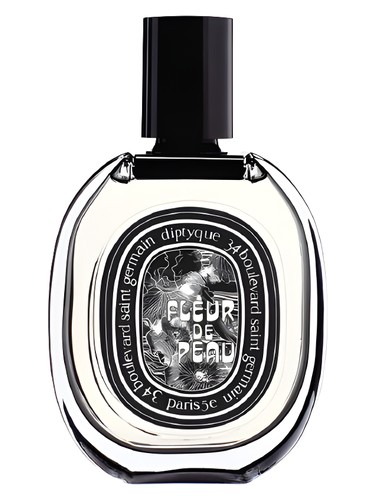
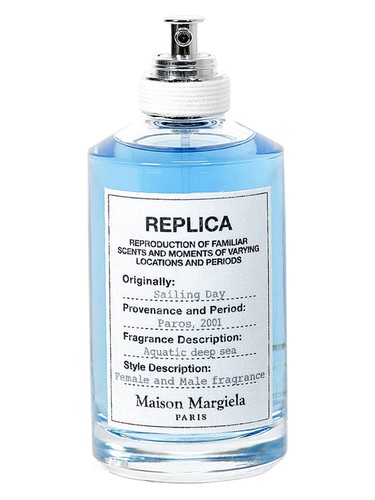
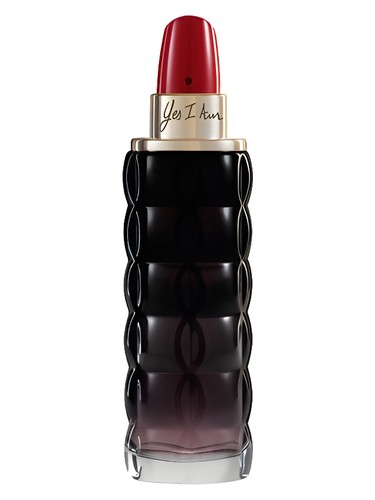
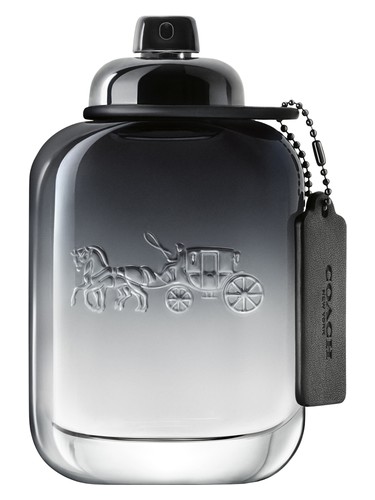
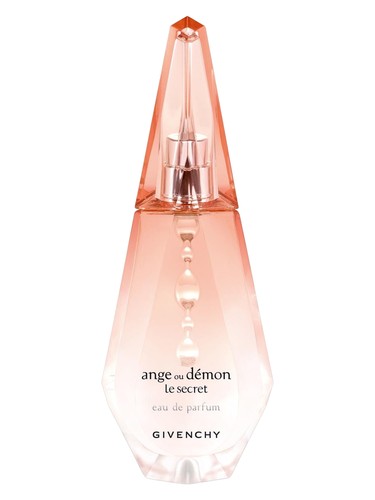
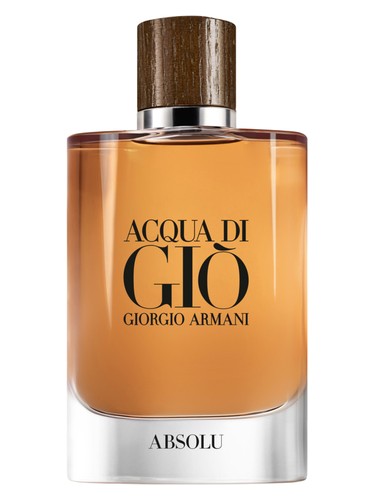
Well-known fragrances with Amberwood
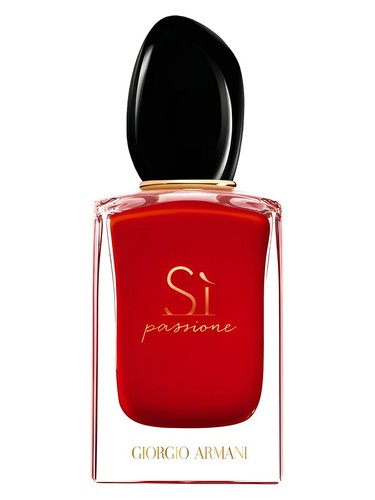
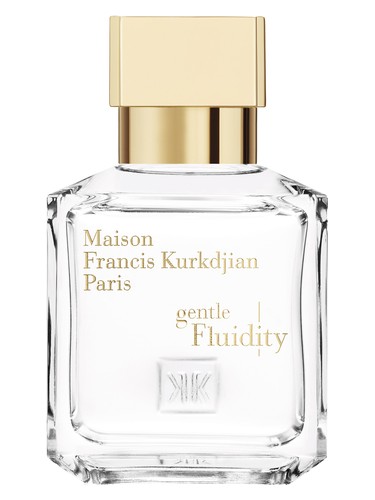
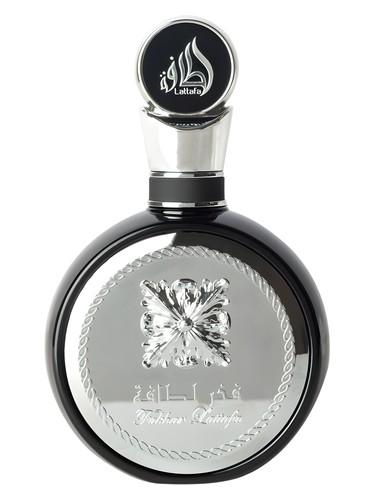
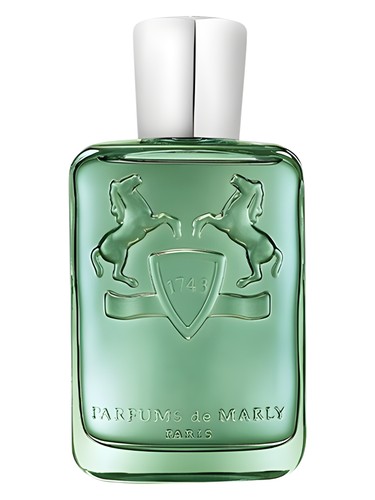
Fragrances that list it in their notes, most-rated first.
Houses that use it most
Ranked by how many of their well-known fragrances list Amberwood.