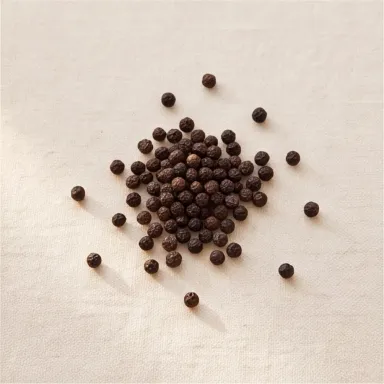
Black Pepper
Dry, crackling peppercorn heat with a woody, slightly citrusy smell.
You may know it from Freshly ground black pepper on food
Where it comes from
Steam-distilled essential oil from dried black peppercorns.
Botanical name: Piper nigrum
Worth knowing
Its sharpness is a smell, not the tongue-burning heat of pepper.
About black pepper
Black pepper is the dried fruit of a flowering vine, Piper nigrum, native to the Malabar Coast of southern India, where wild pepper still grows in the Western Ghats. The berries are picked before they are fully ripe, left to ferment and dried in the sun until they shrivel and turn brownish-black. White pepper comes from ripe berries with the outer layer removed. Pink pepper grows on an unrelated tree.
The burn on the tongue belongs to piperine, an alkaloid that makes up about 5 to 10% of commercial pepper. It melts near 130 C and decomposes instead of boiling, and it is not volatile, so it stays behind when the berries are steam-distilled. One supplier article notes that sources disagree about trace amounts in the oil, and one study found none. The oil itself is a small share of the spice: McCormick Science Institute puts it at roughly 2 to 4%, while hydrodistillation of six Brazilian cultivars gave between 0.21% and 1.49%.
What does come over is mostly terpene hydrocarbons. In that Brazilian study monoterpenes made up 59 to 80% of the oil and sesquiterpenes 17 to 38%, with oxygenated compounds at only 1.3 to 2.7%. Alpha-pinene, beta-caryophyllene, limonene, beta-pinene and delta-3-carene lead the list, and their proportions swing widely with origin; the researchers found four distinct chemical clusters. Perfumery suppliers credit beta-caryophyllene with the woody, resinous, slightly clove-like body, and limonene and the pinenes with the fresh, citrusy lift. Beta-caryophyllene turns up in clove, rosemary and hops as well. On skin the oil opens with a bright, terpenic snap, then settles into dry, woody warmth as the monoterpenes evaporate.
Suppliers class pepper as a top-to-heart note that lifts citrus and resinous openings and adds dryness to woods, ambers and leathers, with a cited dosage of 0.1 to 2%. A CO2 extract is a different material from the distilled oil. Premiere Peau describes it as covering a broader range of molecules, richer in sesquiterpenes, less volatile and preferred for fine fragrance. One Madagascan supplier says its oil comes from the Farafangana region in the south-east.
Accords it shows up in
How many of the fragrances listing Black Pepper in our catalogue also carry each accord. We counted this ourselves.
Often paired with
The notes that appear next to Black Pepper most often in our catalogue.











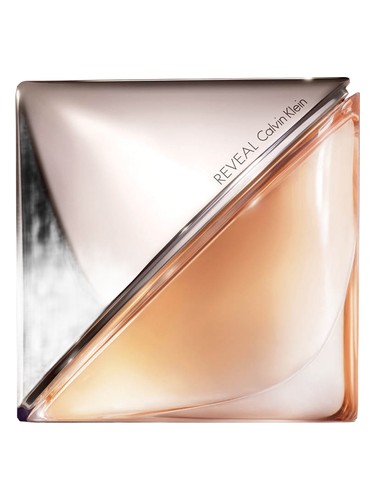
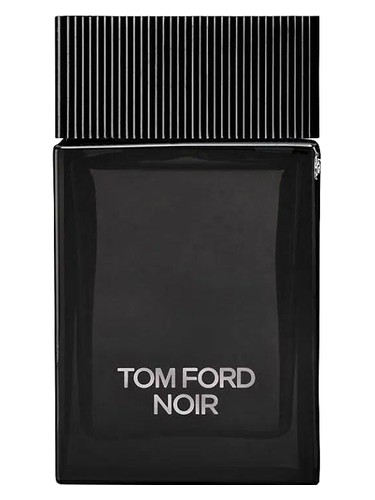
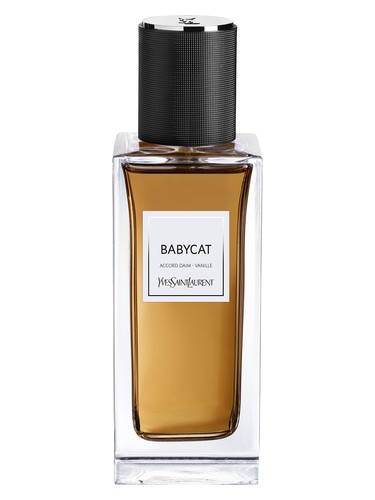
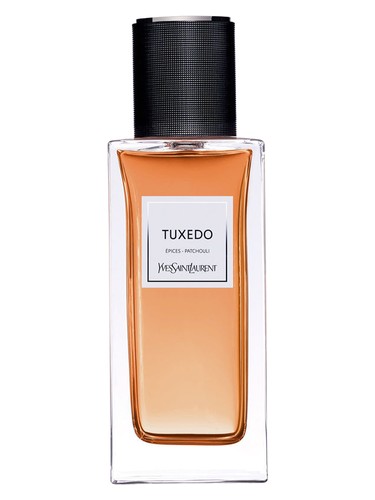
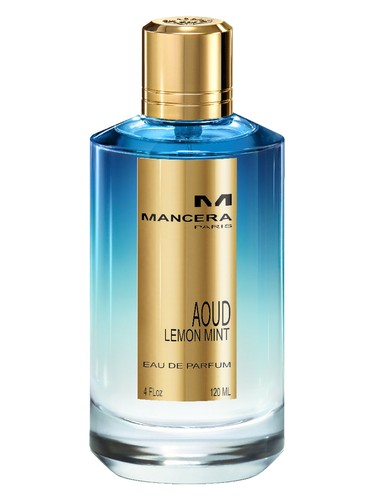
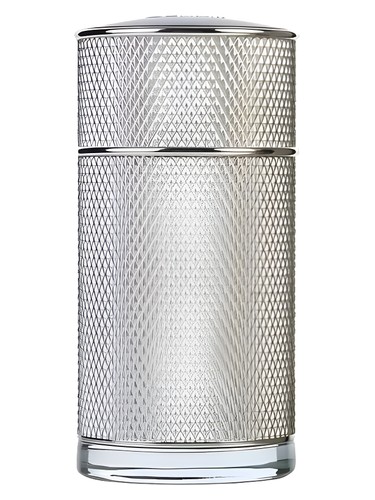
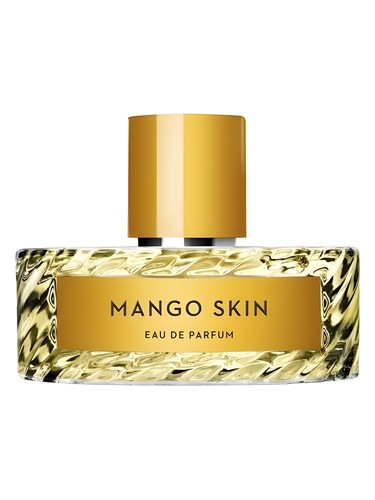
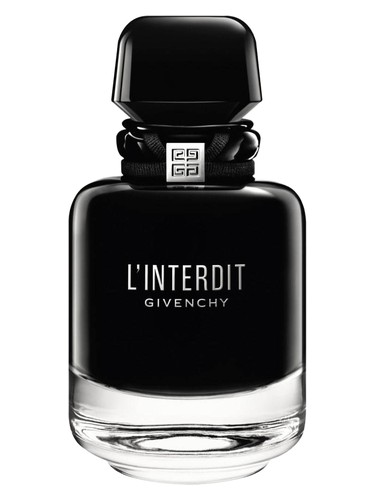
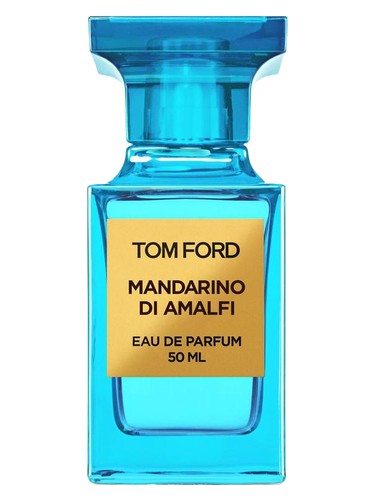
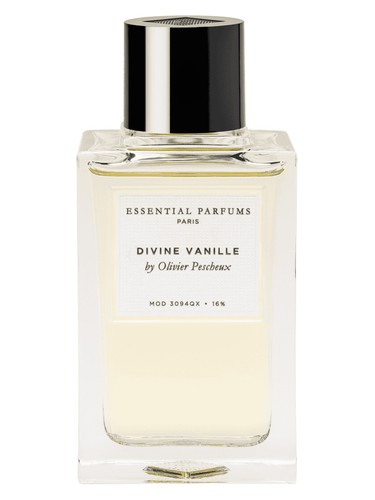
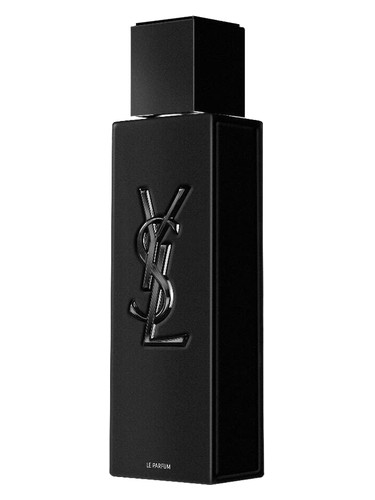
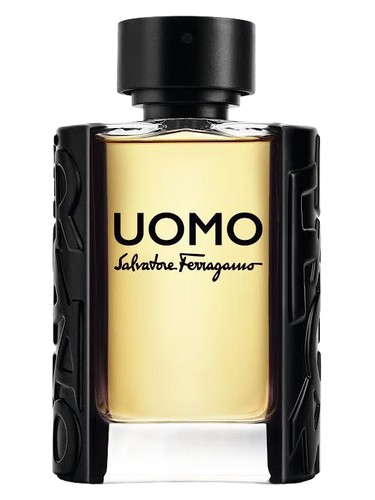
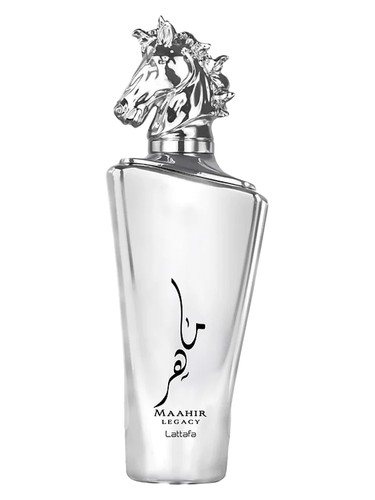
Well-known fragrances with Black Pepper
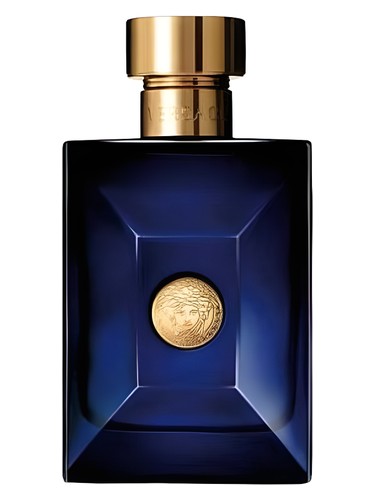
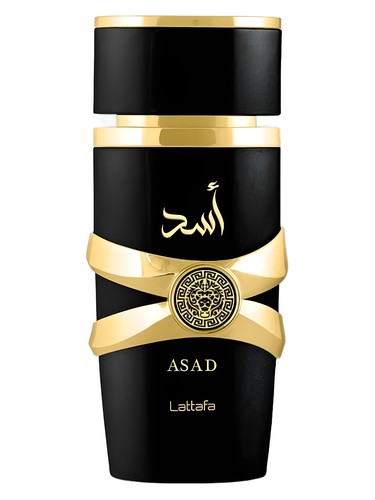
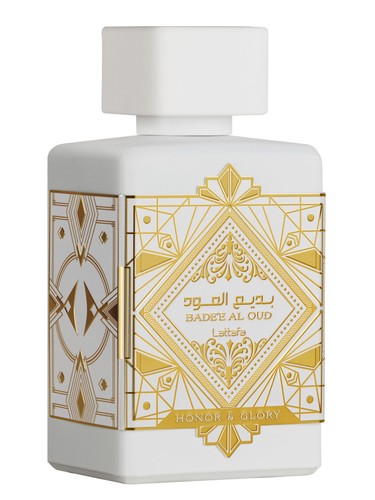
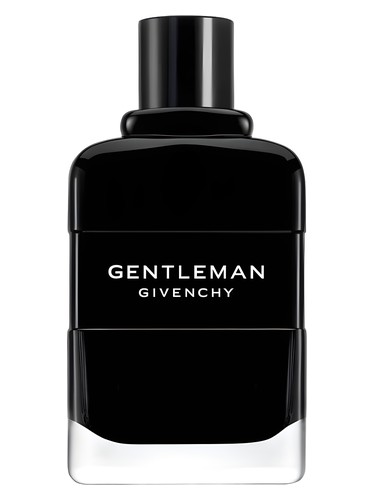
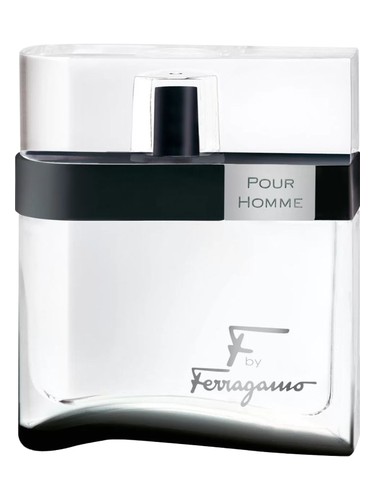
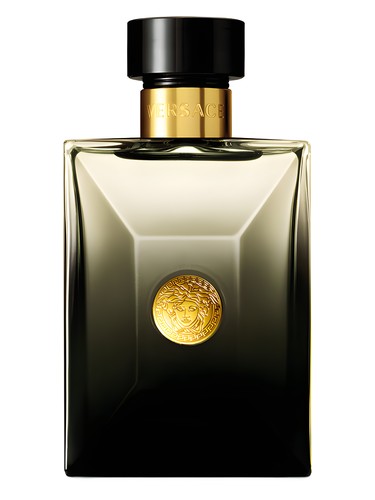
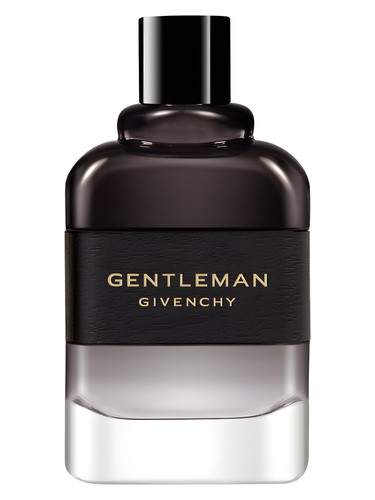
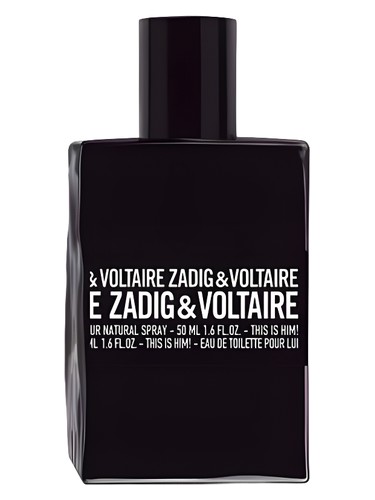
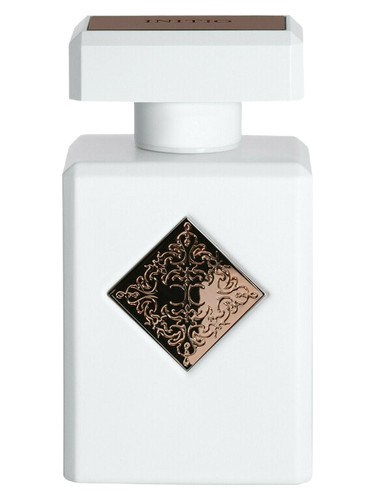
Fragrances that list it in their notes, most-rated first.

Houses that use it most
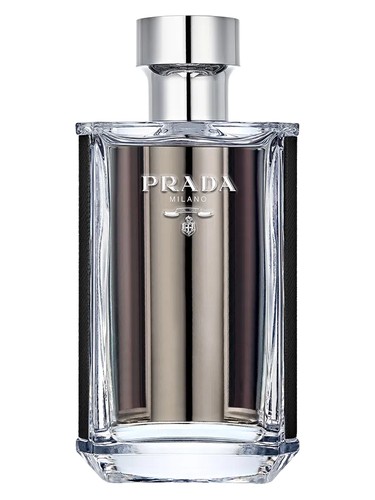
Ranked by how many of their well-known fragrances list Black Pepper.