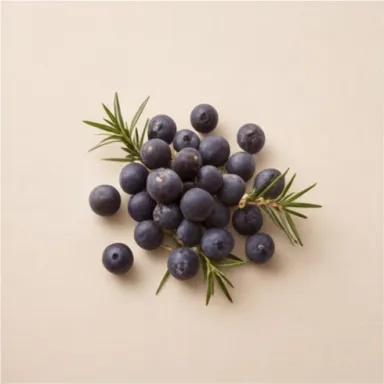
Juniper
Dry, crisp pine needles with a peppery, gin-like freshness and a slightly woody edge.
You may know it from Gin
Where it comes from
Steam-distilled from juniper berries and needles, or made with aroma chemicals.
Botanical name: Juniperus
Worth knowing
“Juniper berry” smells piney and dry, not sweet like edible berries.
About juniper
The juniper "berry" is a female seed cone. It takes about 18 months to mature to purple-black in most species, including Juniperus communis, the one perfumery relies on.
The oil comes from the ripe fruits of Juniperus communis and is steam-distilled. One producer in Albania describes a 48-hour process in total, with 14 hours of that in the still. Wild-collected berries come mainly from the Balkans, and in Albania they are harvested under a government permit given to a network of more than 2,000 collectors.
Most of the oil is monoterpene hydrocarbons, 70 to 80% of it. Scentspiracy puts alpha-pinene at 35 to 62%, while another trade page gives 20 to 50%, so the figures differ by source. Perfumery sources say pinene supplies a piney sharpness, and myrcene and sabinene add herbal, slightly citrusy nuances. The proportions move with place, ripeness, age and production method. In one study a subspecies, hemisphaerica, led with sabinene at 25.1% instead of pinene.
English "gin" is a shortened form of genever, which came from French genievre and Dutch jenever, and those descend from Latin juniperus. Gin rules require the predominant flavour to be juniper. The spirit itself grew out of a liquor developed in the Netherlands in the 17th century.
Other materials carry the juniper name without being the berry oil. Cade oil is a smoky tar made by pyrolysis of the wood and roots of prickly juniper, Juniperus oxycedrus, and its smell is described as resembling burnt cedarwood and pine tar. Crude cade oil is prohibited by IFRA because of polycyclic aromatic hydrocarbons, and only rectified grades that meet the PAH limits are permitted. Virginia "cedarwood" oil comes from Juniperus virginiana, a juniper tree, steam-distilled from chips and sawdust.
Accords it shows up in
How many of the fragrances listing Juniper in our catalogue also carry each accord. We counted this ourselves.
Often paired with
The notes that appear next to Juniper most often in our catalogue.










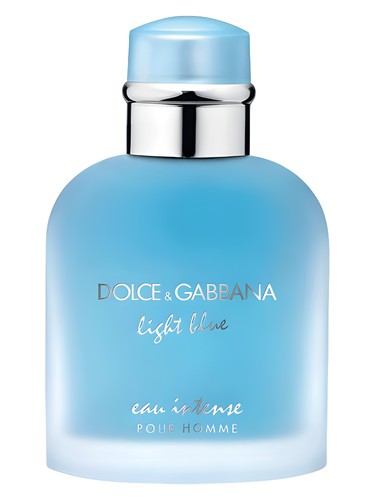
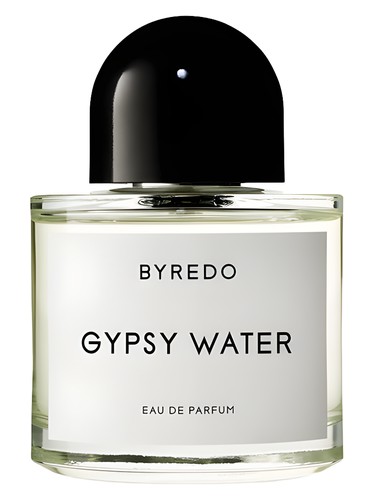
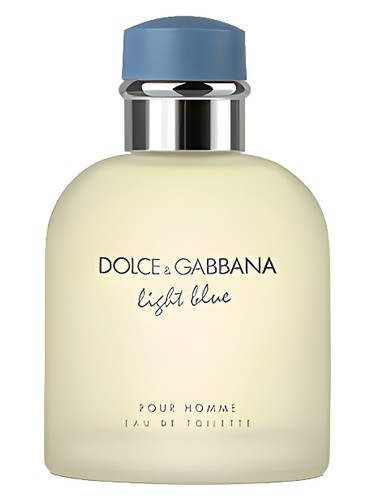
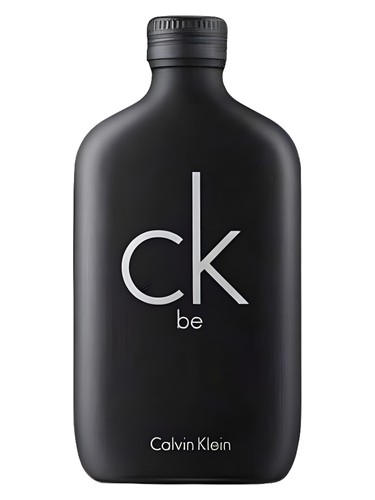
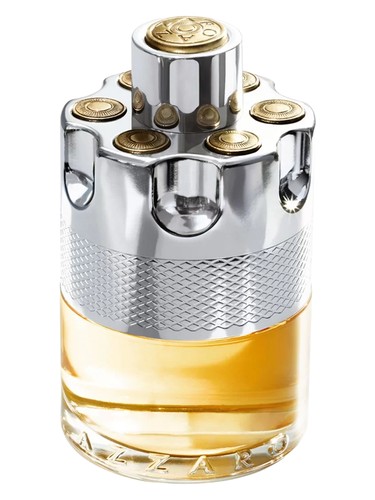
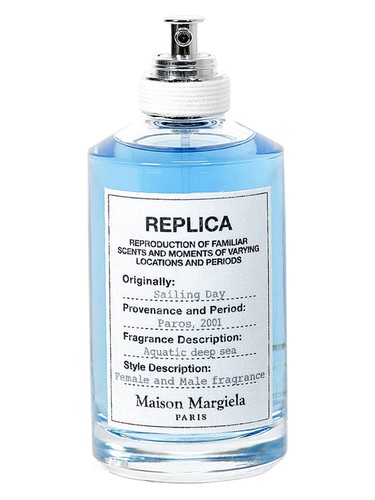
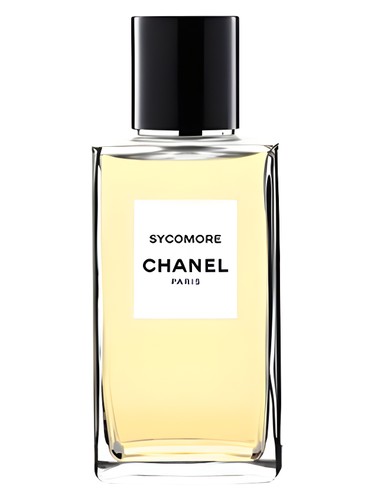
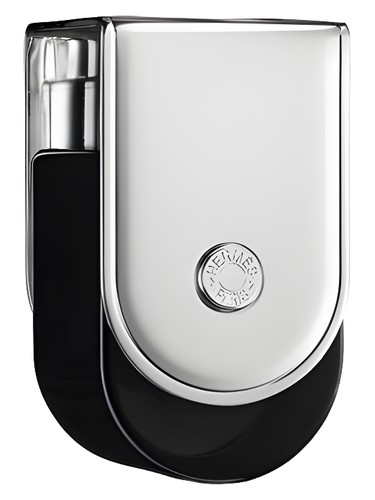
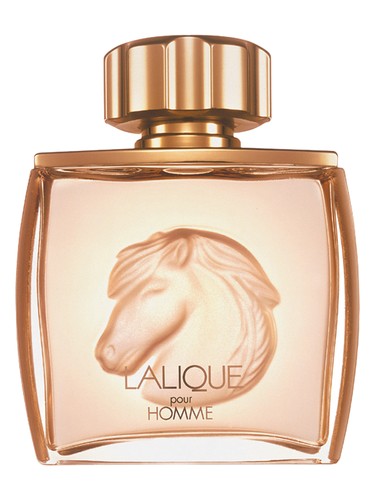
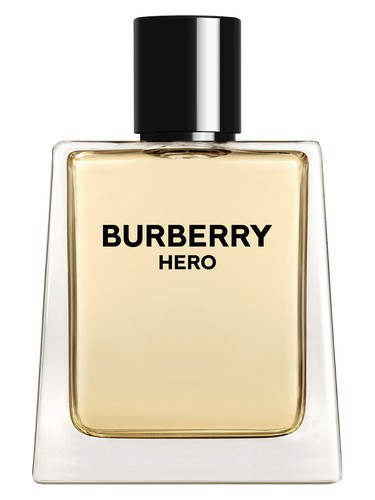
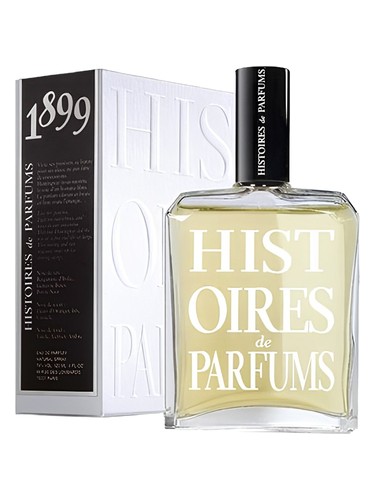
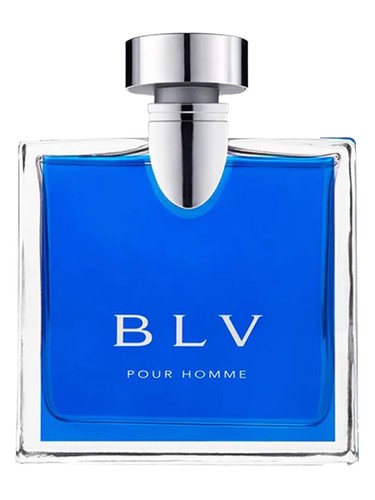
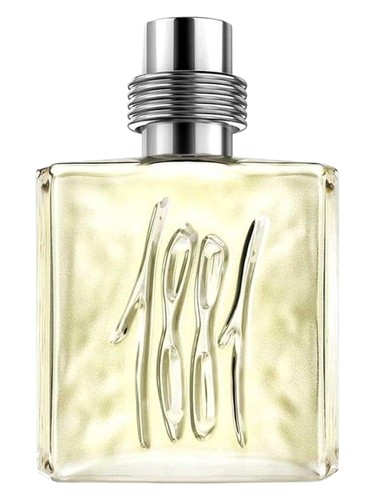
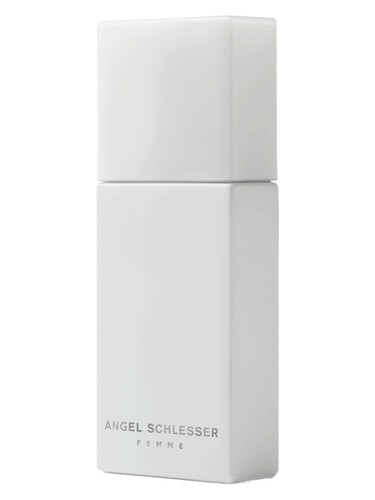
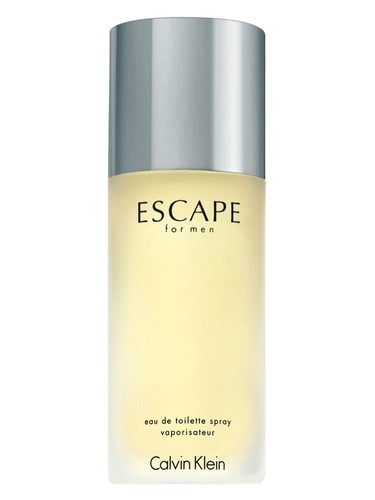
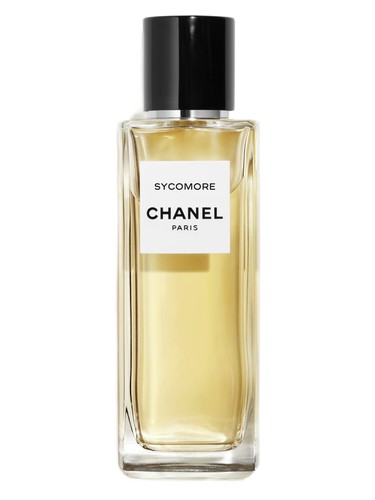
Well-known fragrances with Juniper
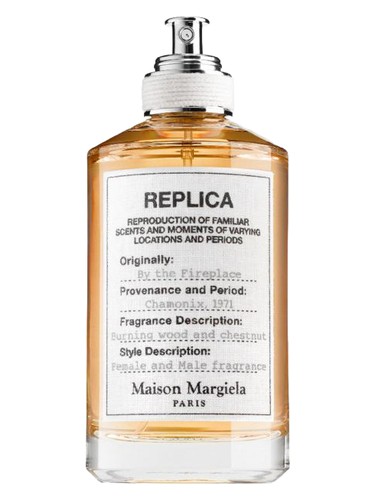
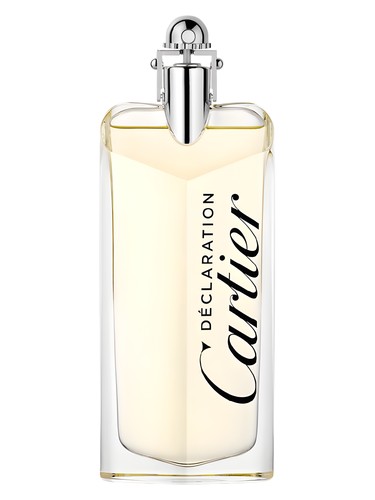
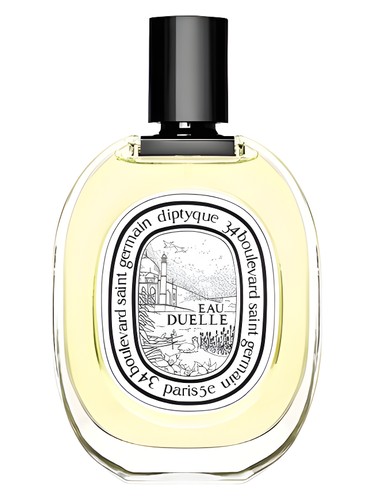
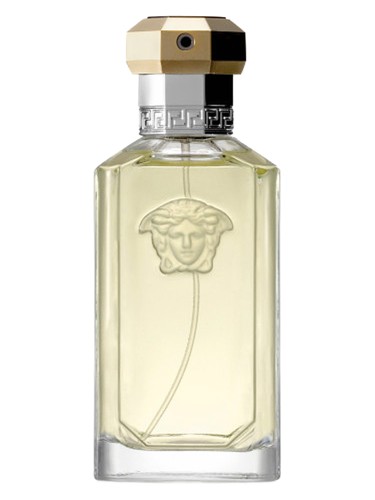
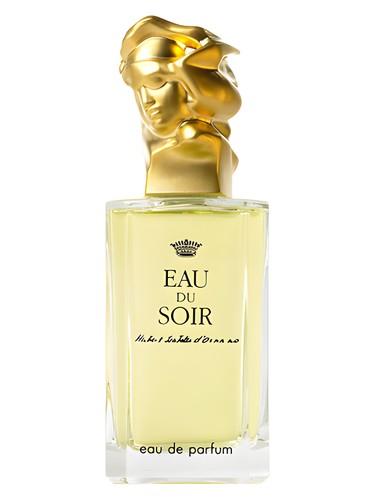
Fragrances that list it in their notes, most-rated first.



Houses that use it most
Ranked by how many of their well-known fragrances list Juniper.