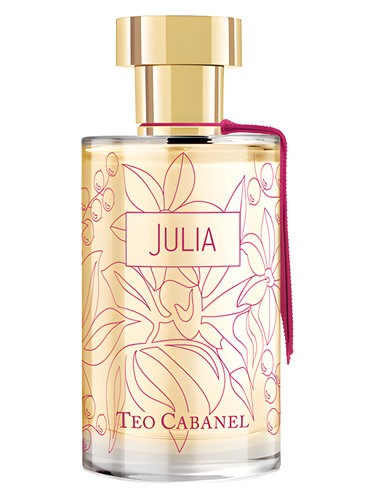
Julia
Fragrance notes
Character
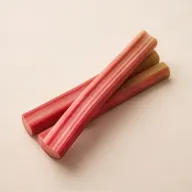
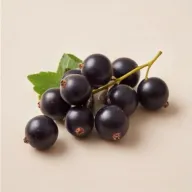
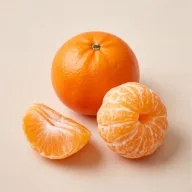
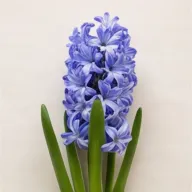
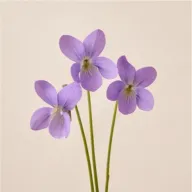
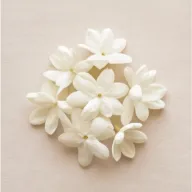
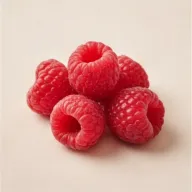
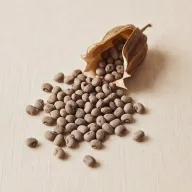
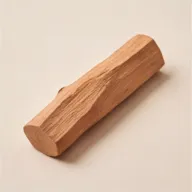
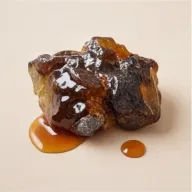
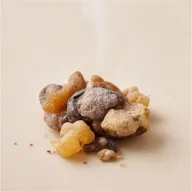
Julia opens with a sour green snap, rhubarb and black currant tangling like wet stems pulled through frost, undercut by a mandarin so brief it’s almost a rumor. That sharpness softens fast into a violet-dominant floral heart, hyacinth and jasmine dusted with a powdery, lipstick sheen — think a grandmother’s vanity table after a rainstorm, the wood grain warping slightly from the damp. The dry-down reveals a surprising turn: raspberry sweetness clings to sandalwood’s cool cream, while labdanum and incense add a faint, churchy sootiness that pulls the whole composition toward something darker than its opening suggests. The musk here is clean, not animalic, and the result is a fragrance that feels both nostalgic and vaguely uneasy, like a pressed flower found in a forgotten book.
This is niche in ambition but mainstream in execution — smooth, polite, and deliberately pretty. The problem is longevity: three hours before it becomes a skin scent, and sillage hovers just above intimate. For a perfume built around fruity-floral sweetness and powdery violet, it fades too fast to justify the price tag. It wears best in spring, ideally during a cool morning when the hyacinth can breathe, but summer’s heat will flatten that sour rhubarb into jam. Who should wear it? Someone craving a gentle, ladylike floral with a touch of green bite, and who reapplies gladly. Skip it if you want projection or a statement — this is a whisper, not a shout, and it knows it.
Smells similar
We matched these by the notes each one lists, giving more weight to the unusual ones they share. Sharing materials does not make one a copy of the other.