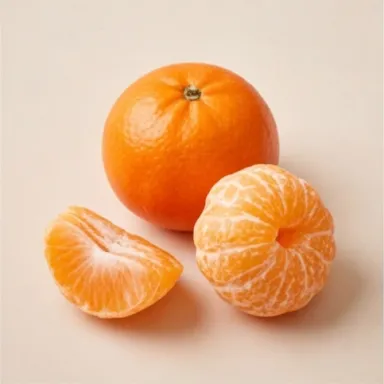
Mandarin Orange
Sweet, juicy citrus peel with a soft, sunny orange scent.
You may know it from Freshly peeled mandarin
Where it comes from
Usually cold-pressed from the peel of mandarin oranges.
Botanical name: Citrus reticulata
About mandarin orange
Mandarin is Citrus reticulata, and Treatt calls the mandarin the largest and most varied group of edible citrus, believed to have started in China. Wild mandarin is one of the pure ancestral citrus taxa, evolved in a restricted region of South China and Vietnam. The names mandarin and tangerine get used interchangeably, and botanically a tangerine is just another mandarin type. The fragrance trade still sees critical differences between their oils. Chinese tangerine oil is about 90% limonene, against about 73% in Sicilian mandarin oil.
Perfumery buys mandarin oil in three versions, all from the same fruit and separated by how ripe it was when picked. Green oil comes from fruit harvested immature, about the size of a walnut, so the rest of the crop can grow on. Treatt says it is made in Europe and South America and is much sought by perfumers, though one technical guide describes early-harvest oil as bitter and complex. Yellow oil is the next stage of ripeness and is generally regarded as a Sicilian product. Red oil comes from mature fruit and goes more into flavors than fragrance.
Cold-pressed oil is mostly limonene and gamma-terpinene, and Treatt gives a Sicilian red mandarin oil at about 73% and 17% of the two. The odd part is a trace compound, methyl N-methylanthranilate, which is characteristic of Sicilian peel oil and only a trace in Chinese tangerine oil. One technical guide puts it between a trace and about 1%. Perfume sources link it to a grape-candy sweetness and a floral side, and Bois de Jasmin calls mandarin the only citrus essence with a pronounced floral facet, one that shares aromatic compounds with orange blossom, tuberose and Concord grapes.
In a composition the top note is described as softer and sweeter than orange, tangy and almost floral, and it is paired with neroli, petitgrain, orange blossom and vanilla. Treatt adds that processors often fail to keep varieties separate, and a blend of mixed varieties sells for much less than Sicilian-type oil.
Sicily also distills a second mandarin oil from the water streams of cold-pressing, and its composition differs notably from the peel oil. Mandarin petitgrain comes from leaves and prunings gathered in March and April.
Accords it shows up in
How many of the fragrances listing Mandarin Orange in our catalogue also carry each accord. We counted this ourselves.
Often paired with
The notes that appear next to Mandarin Orange most often in our catalogue.











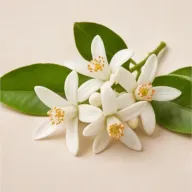
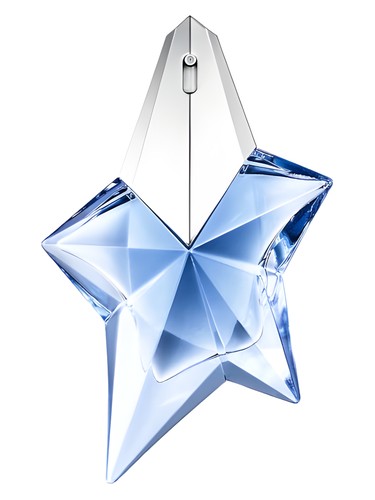
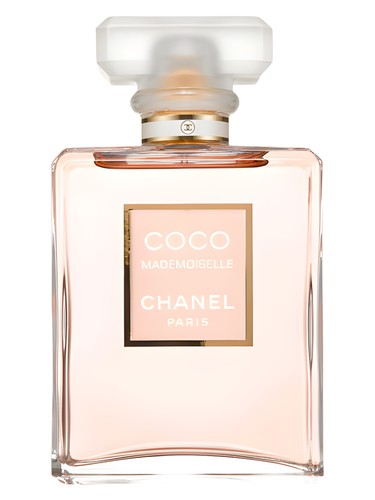
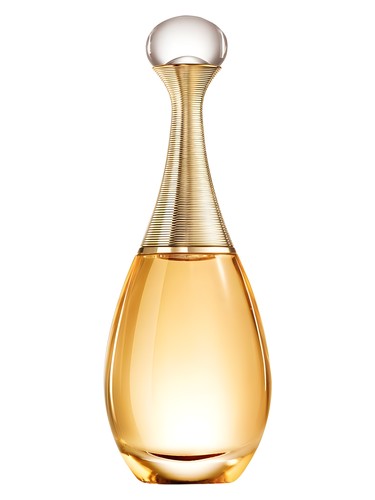
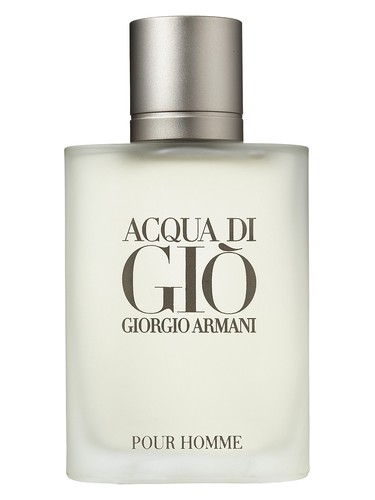
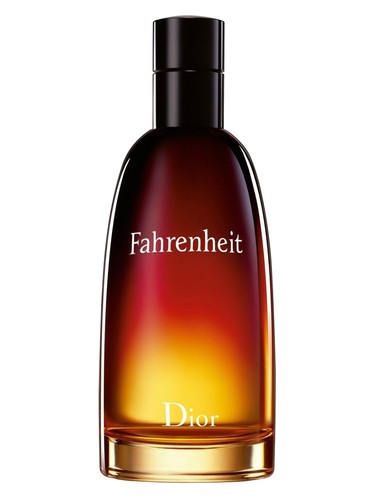
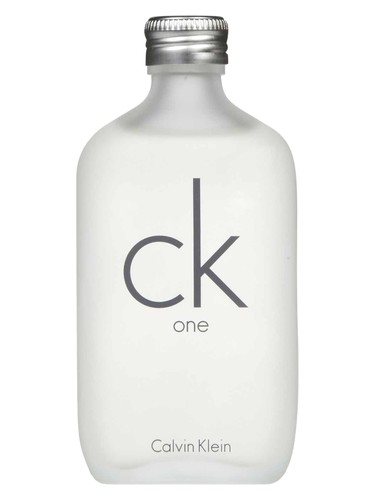
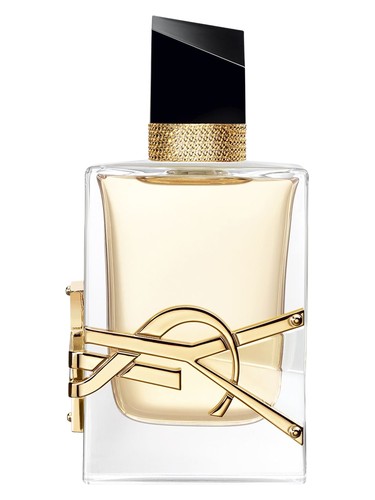
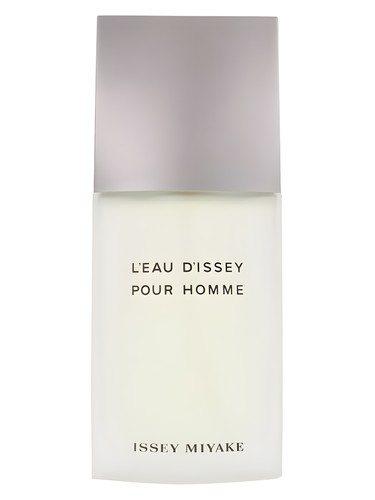
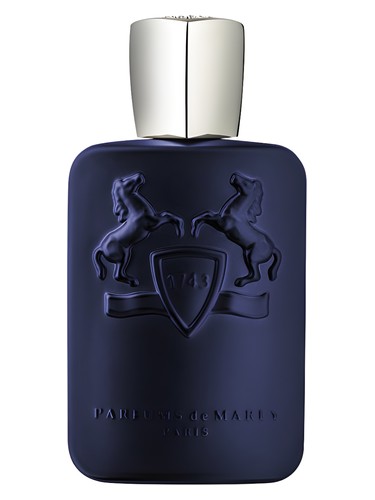
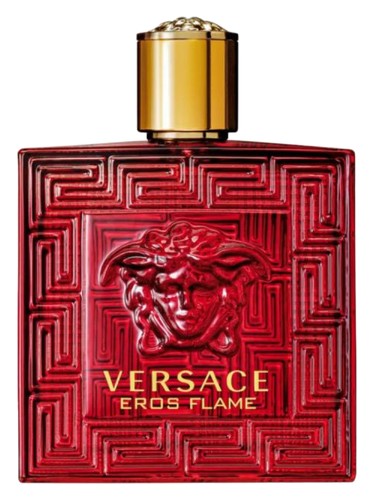
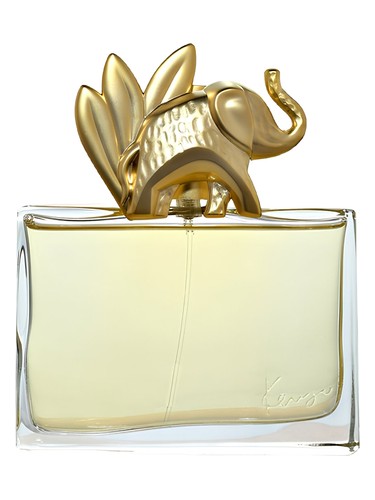
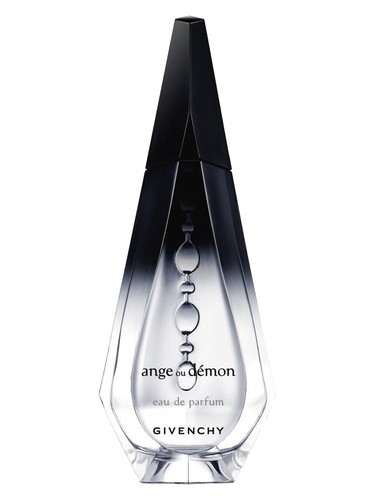
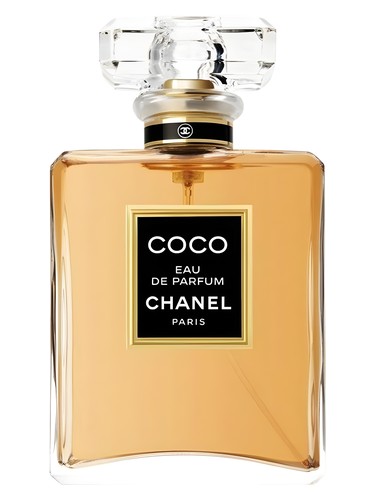
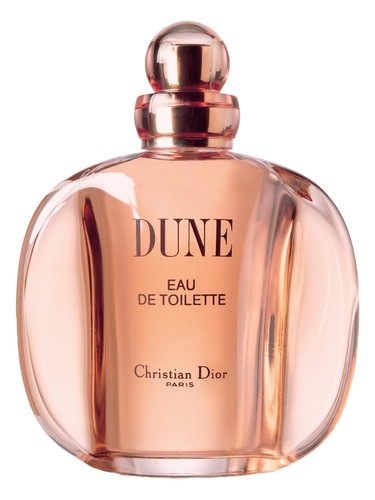
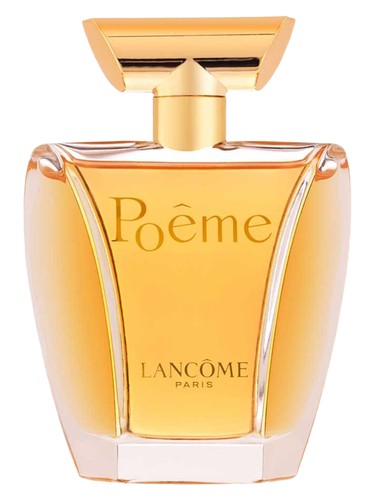
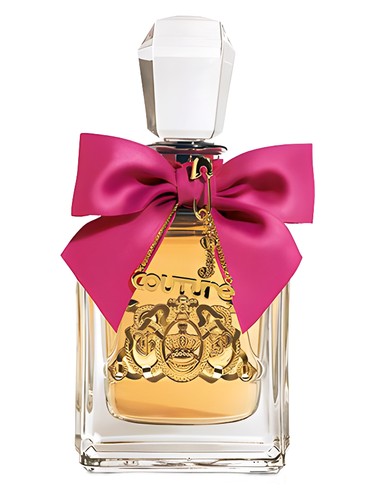
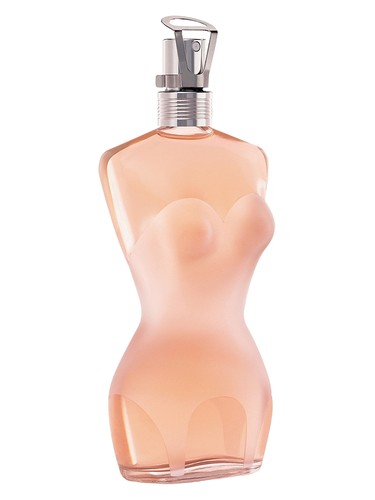
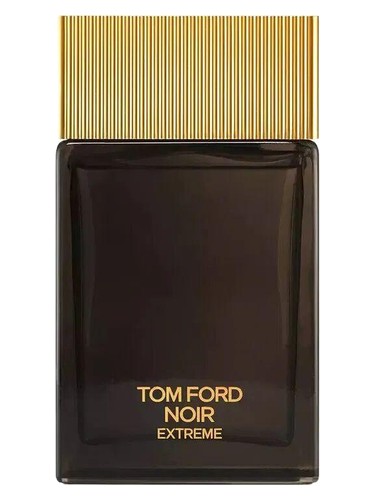
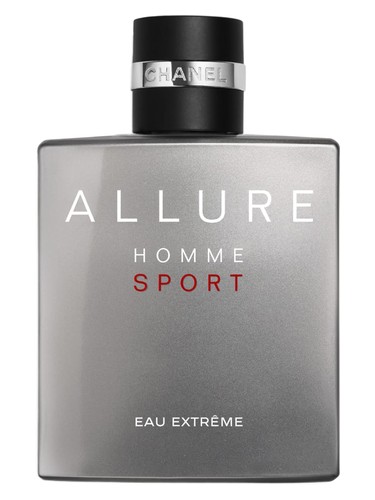
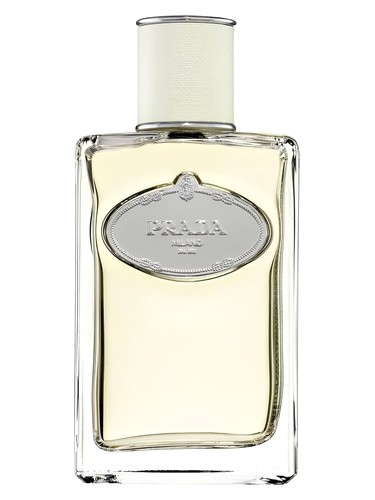
Well-known fragrances with Mandarin Orange
Fragrances that list it in their notes, most-rated first.
Houses that use it most
Ranked by how many of their well-known fragrances list Mandarin Orange.