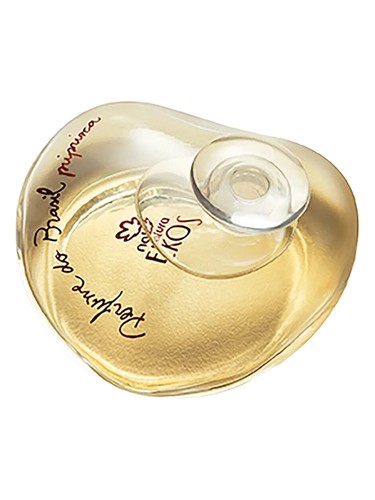
Priprioca Parfum Perfume do Brasil
Fragrance notes
Character
The opening is a bright citrus fanfare, bergamot and lemon zesting the air with a tart, optimistic snap before orange rounds it into something almost juicy. But this is no sun-drenched Mediterranean cologne, the heart pivots hard into green, resinous territory as galbanum’s bitter, rubbery herbaceousness collides with priprioca, a rooty, earthy Amazonian note that smells like wet clay and crushed stems. Lily of the valley adds a cool, almost soapy white floral whisper that keeps the green from turning feral. The drydown is where the perfumers Olivier Pescheux and Thierry Bessard show their hand: a dense, powdery base of sandalwood and tonka bean draped over vetiver’s clean dirt and a faint vanilla sweetness, all of it pressed down by a musky amber haze that feels like a warm breath.
This is the smell of a botanist’s greenhouse after a sudden rainstorm, damp glass, bruised leaves, and a trace of floral soap on the skin. It is natural smelling in a way that feels deliberate, not cheap, but the sillage stays close, hovering just above 3 out of 5, and longevity is modest at best, maybe four hours before it retreats into a barely there skin scent. That restraint is both its charm and its weakness, you have to lean in to smell it, which makes it intimate rather than declarative.
It suits someone who wants a green, quietly sophisticated fragrance for spring or fall days, meetings, museum afternoons, or any situation where loud projection would be a faux pas. Skip it if you crave a booming presence or a gourmand sweetness, the powdery tonka and vanilla are only supporting players, not stars. Worn in bright daylight, it hums. In the evening, it nearly fades to silence. Is that a flaw or a feature when the wearer alone knows where the priprioca root touches the skin?
Smells similar
Built from the same materials — ranked by how unusual the shared notes are, not by how many.