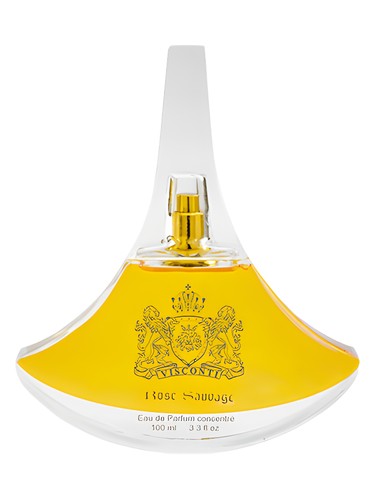
Rose Sauvage
Fragrance notes
Character
Rose Sauvage opens with a bright, almost theatrical burst of Bulgarian rose and carnation, the citrusy mandarin and bergamot adding a dab of sunny optimism that quickly dissolves into something more brooding. The heart turns powdery with iris and tonka bean, a dusky patchouli anchoring the jasmine’s indolic warmth, and the dry down is a creamy vanilla-amber blanket draped over a second wave of rose and tuberose. It’s a rose that feels less like a dewy garden and more like a vintage vanity table scattered with silk petals, face powder, and a half-burnt vanilla candle.
The character here is a deliberate, old-school floral that leans heavy and sweet, with a dusty, earthy undertone that keeps it from tipping into cloying. It wears close to the skin after the first hour, which is the honest weakness: the sillage is modest at best, and longevity sits around moderate, so you will be respraying for an evening out. For day wear it feels slightly too dense, but for spring or autumn evenings it finds its natural habitat, and it works for winter too. The rating of 4.20 reflects a solid, if not groundbreaking, composition.
This is for someone who wants a romantic, powder-kissed rose with a warm amber spine, not a green, fresh interpretation. Skip it if you prefer airy, translucent florals or need a scent that announces your arrival from across the room. Wear it to a dinner date or a quiet night walk when you want to feel like a character in a sepia-toned photograph, all soft focus and lingering sweet smoke. It does not reinvent the wheel, but it turns it with grace. 🌹
Smells similar
Built from the same materials — ranked by how unusual the shared notes are, not by how many.