Quando rapita in estasi
Fragrance notes










Character
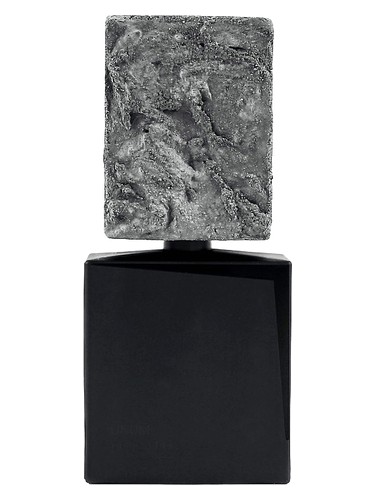
Filippo Sorcinelli’s “Quando rapita in estasi” opens with a startling collision: cold incense smoke meets the green, almost aquatic snap of lily-of-the-valley, while cedar adds a dry, pencil-shaving sharpness. It’s a churchy beginning, but one that quickly warms as a rich, jammy peach emerges from the heart, dusted with clove’s piquant spice. The fruit never turns candied; instead it feels bruised and sacramental, as if laid on an altar of balsam fir and labdanum. The base is a dense, patient unraveling of vanilla, tonka, vetiver, and patchouli, all steeped in more incense until the whole thing settles into a sweet, smoky, conifer-laced amber with a leathery undertow. The overall character? Imagine a stained-glass window melted into a puddle of honey and pine resin, then dabbed behind the ears.
This is unapologetically niche — resinous, aromatic, and slightly gothic, but with a sunlit peach that keeps it from turning into a funeral parlor. The sillage is polite rather than commanding, and longevity hovers around moderate, which feels appropriate for a fragrance that whispers more than it shouts. It suits someone who loves contrasts: the sacred and the syrupy, the cold and the cloying. Skip it if you want a loud beast or a straightforward freshie; this one rewards patient sniffing. Ideal for crisp fall afternoons or winter evenings when the air already smells of woodsmoke and frost, it feels at home in a book-lined study or a quiet cathedral courtyard at dusk.
Smells similar
We matched these by the notes each one lists, giving more weight to the unusual ones they share. Sharing materials does not make one a copy of the other.