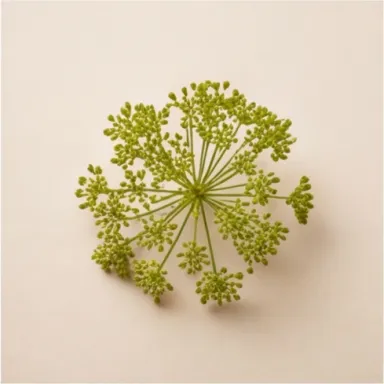
Angelica
Green and herbal, like celery and damp earth, with peppery, musky warmth.
You may know it from Gin made with angelica root
Where it comes from
Steam-distilled from the roots or seeds of Angelica archangelica.
About angelica
Most people have smelled angelica without knowing it. The root is one of the botanicals in gin, used with juniper and coriander, where it helps fix the more volatile flavours. In perfumery the material is the oil of garden angelica, Angelica archangelica, a tall plant of the carrot family. The genus holds approximately 90 species of biennial and perennial herbs, and in this one the active ingredients are found in the roots and rhizomes.
The oil comes from steam distillation of dried roots, and the amount varies widely. Reported yields from rhizomes and roots run from 0.1% to 1%. A study of air-dried Finnish roots got about 1.0%, while supercritical CO2 extraction of the same roots produced 2.05%.
Chemically, the oil leans on alpha-pinene alongside the alpha- and beta-phellandrenes. The musk comes from a macrolide fraction, notably pentadecanolide, which measured about 1.6 mg per gram in the distilled Finnish oil and 0.5 mg per gram in the CO2 extract. A 2026 sample read differently again, with limonene at 18.39% and vinylguaiacol at 14.10%, and the authors say composition varies significantly with geographical origin and growing conditions. Commercial cultivation is listed for India, Italy, Germany, Finland and Hungary, and the Marais Poitevin is the most important area of angelica cultivation in France.
A review describes the smell as warm and aromatic, with a green spicy top note and a pleasant musky dry-out. Perfume writer Victoria Frolova hears it starting bright and shimmering, with earthy base layers underneath, and puts it as musky flowers and foggy autumn mornings. Perfumers use it widely to give a green touch to an accord. Despite its delicate aura, she writes, its character can be quite assertive.
Since 2020, the same review notes, use of angelica root oil as a fragrance ingredient has been quantitatively restricted under IFRA standards.
Accords it shows up in
How many of the fragrances listing Angelica in our catalogue also carry each accord. We counted this ourselves.
Often paired with
The notes that appear next to Angelica most often in our catalogue.










Well-known fragrances with Angelica
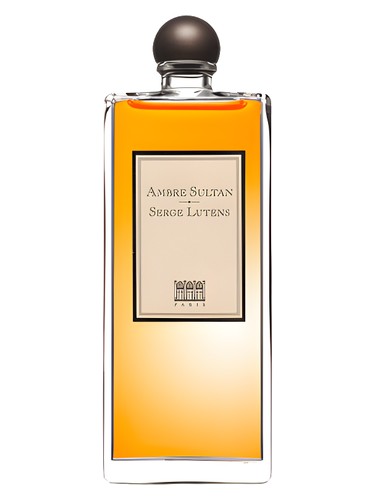
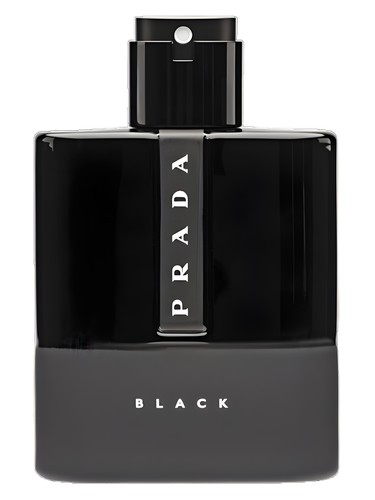
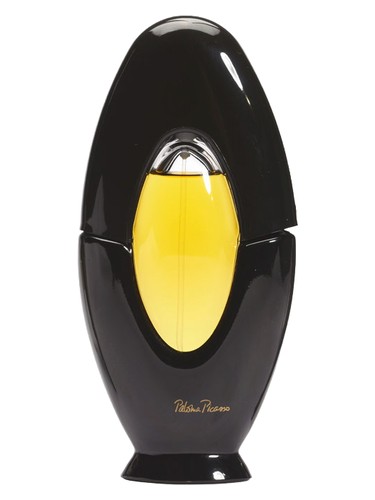
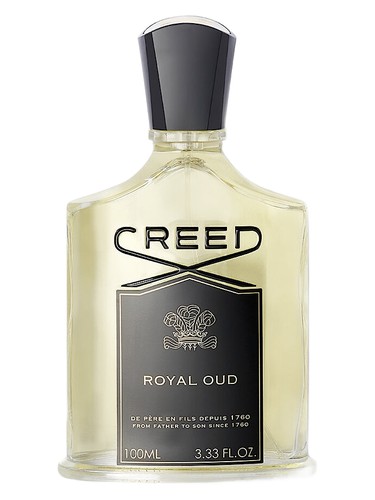
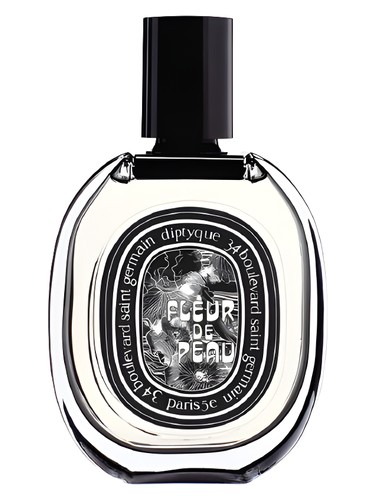
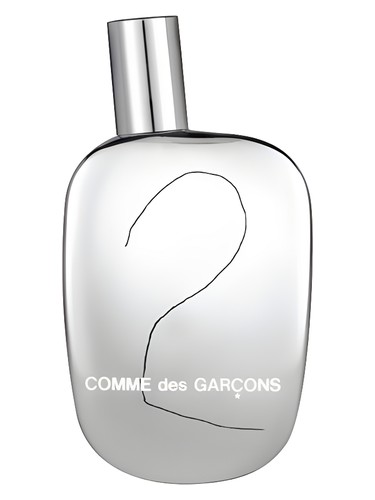
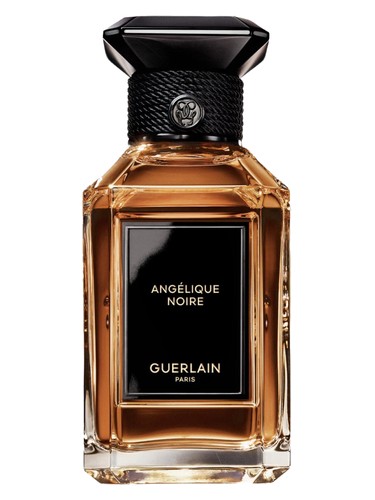
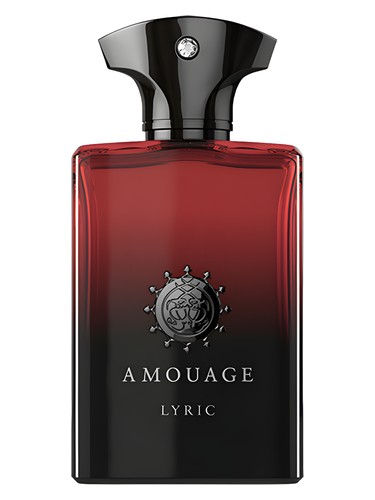
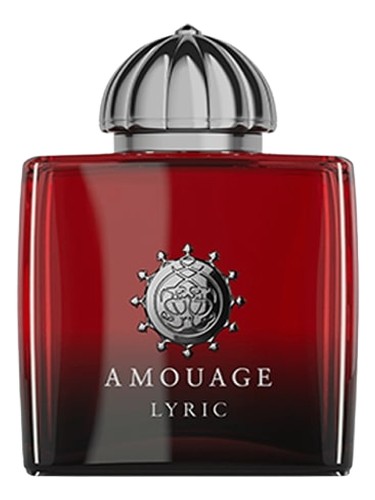
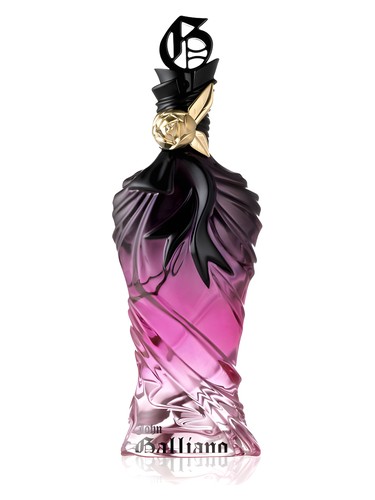
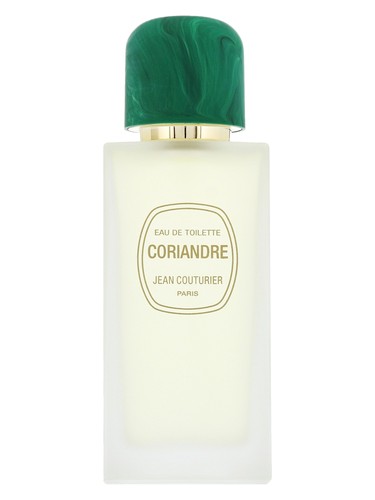
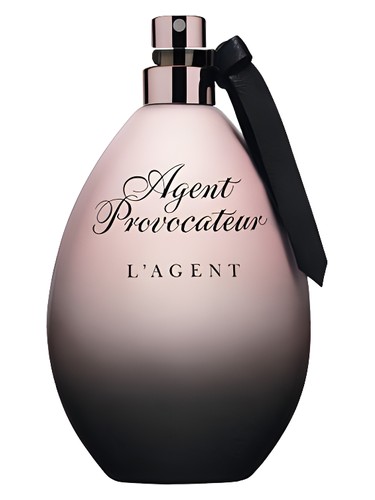
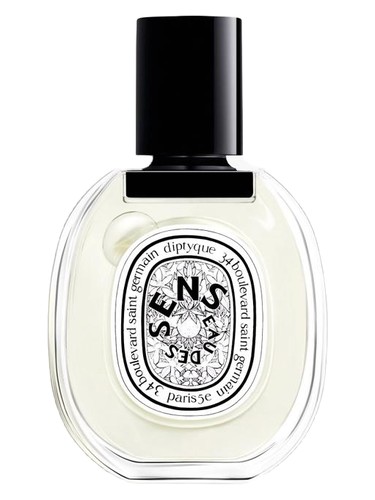
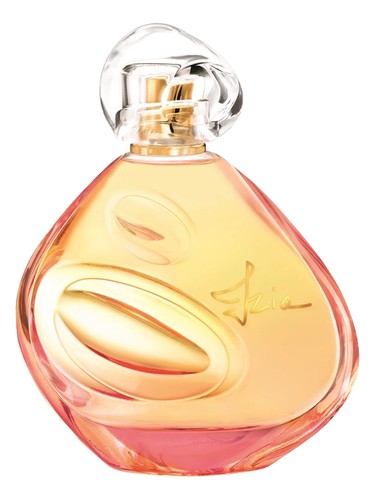
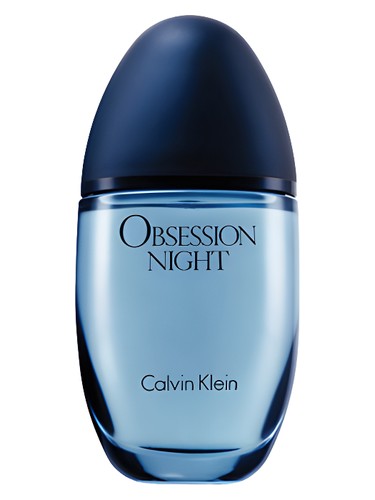
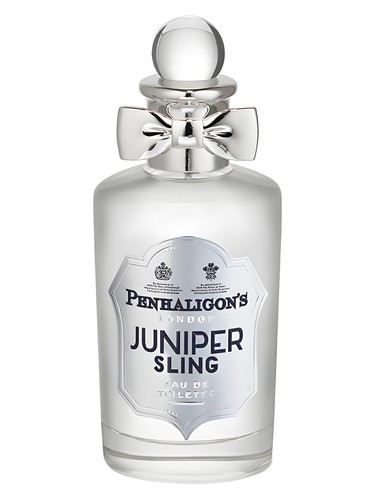
Fragrances that list it in their notes, most-rated first.
Houses that use it most
Ranked by how many of their well-known fragrances list Angelica.