Myrrh
Warm, dry tree resin with bitter herbs, smoke, and a faint medicinal sweetness.
You may know it from Myrrh incense burned in church
Where it comes from
Gum-resin tapped from Commiphora trees and dried.
About myrrh
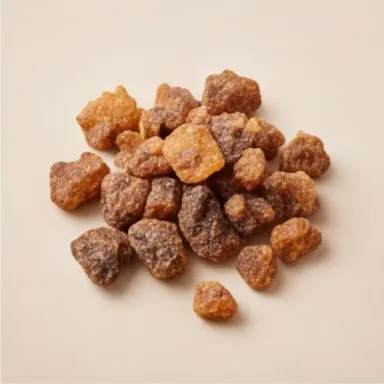
Myrrh is a gum-resin taken from a number of small, thorny trees of the genus Commiphora. The one most often named, Commiphora myrrha, is a spiny tree about 5 m tall that grows in desert regions on thin, limestone-rich soils. Cuts in its trunk and branches let out a pale-yellow sap, which hardens into reddish-brown, tear-shaped masses. A trade report describes two ways to collect it: gathering what the tree exuded on its own, or slashing the bark so the resin oozes out. The same report says Ethiopian self-exudate is graded by size and colour, and that the top grade reportedly sells out every year.
Somalia is the largest producer, and one source puts about 90 percent of the world's myrrh supply on Somali trees. Perfumery sources name Somalia, Ethiopia and Yemen. Ethiopian resin is reportedly often carried into Somalia and sold as Somali, so an origin label on a sack may say less than it seems to.
Perfumers use the oil, steam-distilled from the resin at a yield one glossary gives as about 3 to 5 percent, and an alcohol-extracted resinoid. A supplier lists beta-elemene, curzerene and lindestrene as furanosesquiterpenoids characteristic of authentic myrrh. That glossary credits furanoid sesquiterpenes with the bitter-sweet, almost smoky character, and describes a sharp, medicinal opening with an iodine-like edge that gives way after hours to a warm, dark sweetness. Bois de Jasmin hears a plush, resinous material with liquorice, woods and unburned incense in it.
The name causes confusion at the edge of the family. Opopanax, sometimes sold as sweet myrrh, comes from a different tree, Commiphora guidottii, which is native to Somalia and Ethiopia. In the early 20th century the name opopanax was also misapplied to bisabol in perfumery, and the mix-up persists in trade names.
Myrrh is among the oldest materials the trade handles. A glossary says it has moved along the incense routes since at least the second millennium BCE. King Sahure's expedition to the land of Punt is the earliest attested one, and in ancient Egypt myrrh went into kyphi, a compound incense used for religious and medical purposes. Galen recorded kyphi being rolled into balls and placed on hot coals to give a perfumed smoke.
Accords it shows up in
How many of the fragrances listing Myrrh in our catalogue also carry each accord. We counted this ourselves.
Often paired with
The notes that appear next to Myrrh most often in our catalogue.









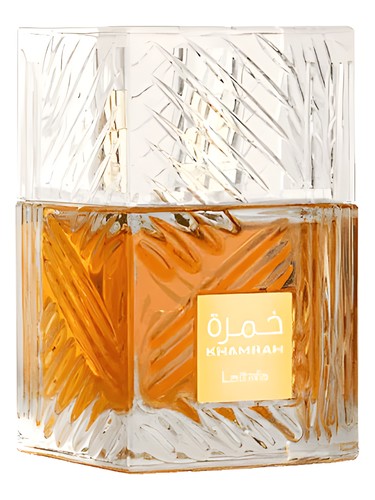
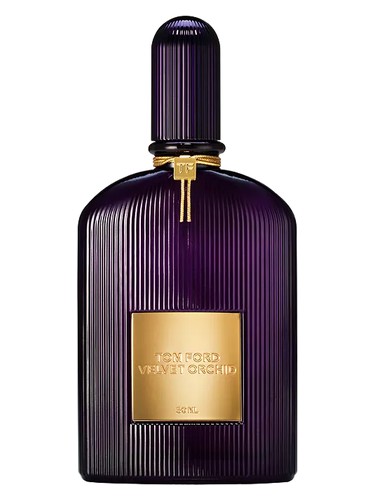
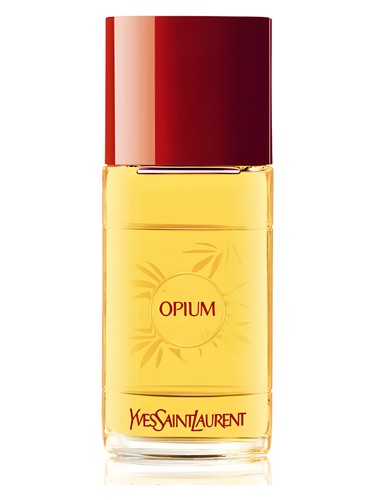
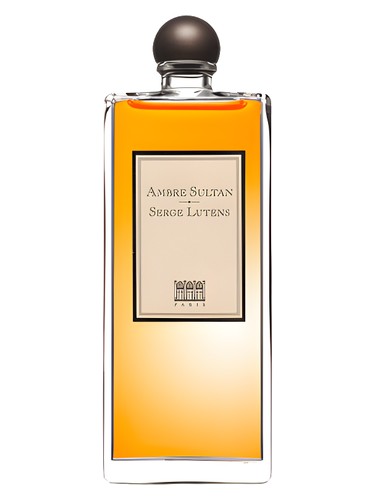
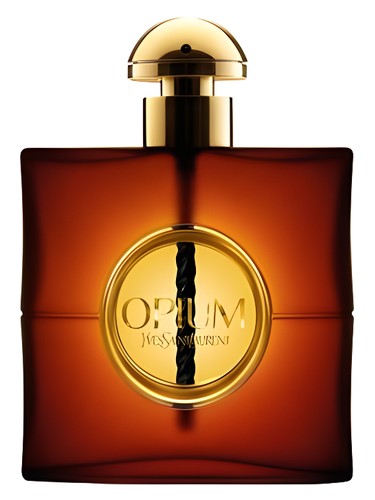
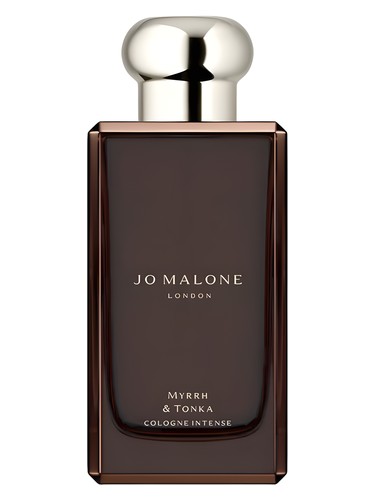
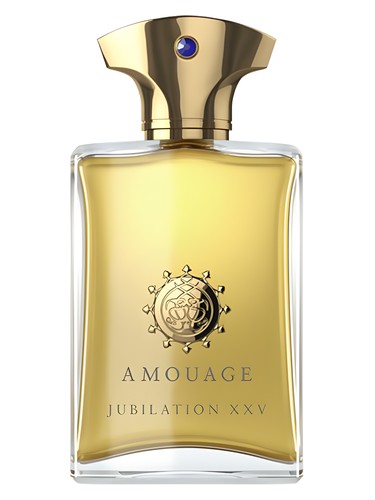
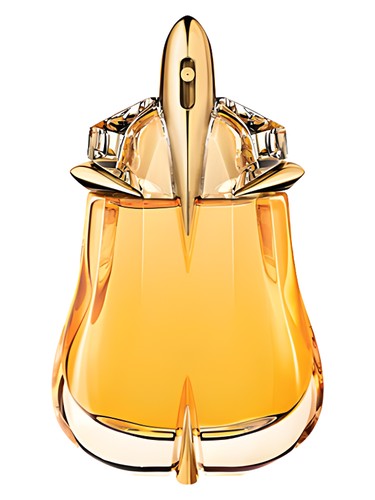
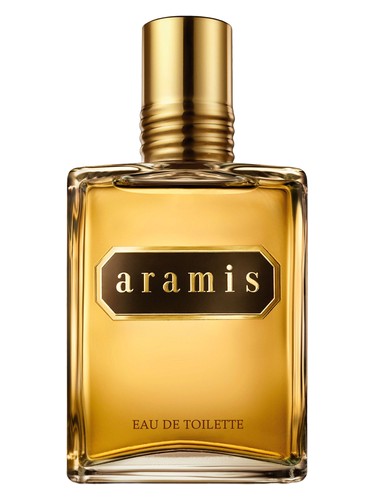
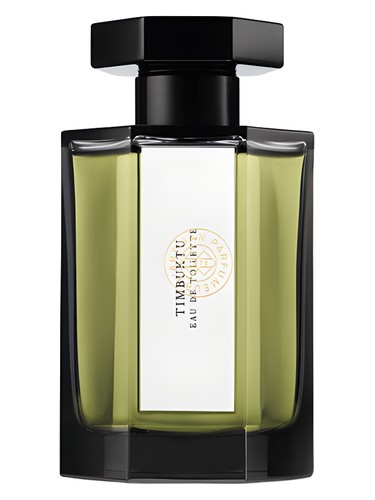
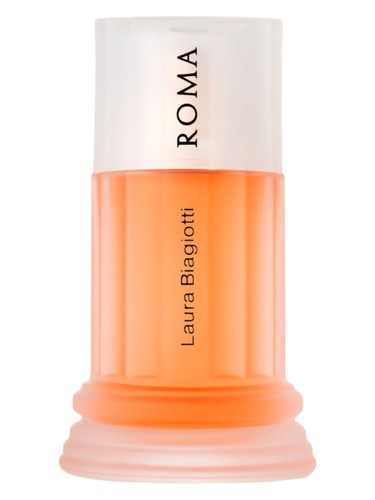
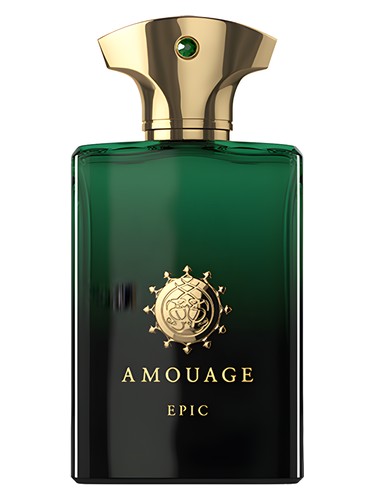
Well-known fragrances with Myrrh
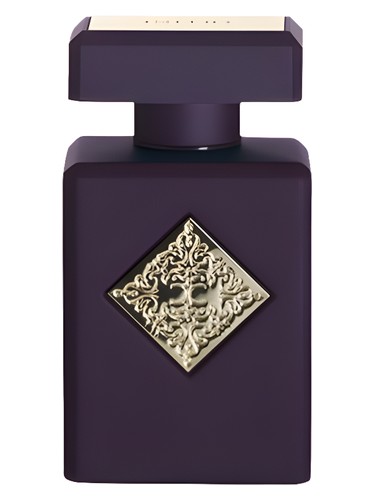
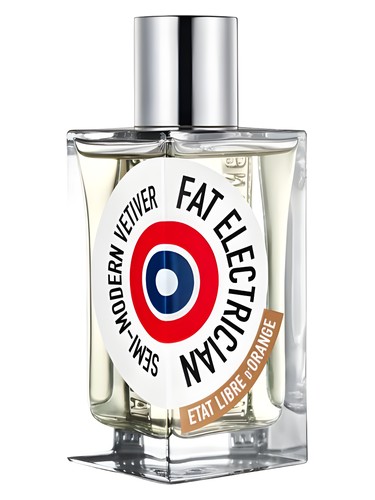
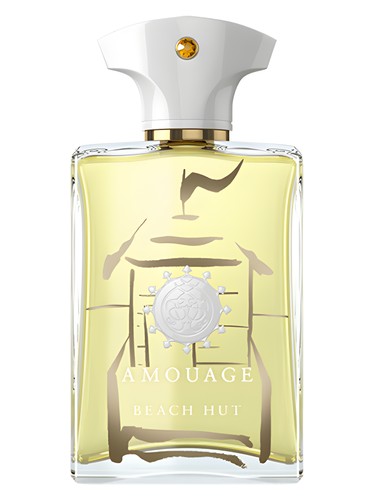
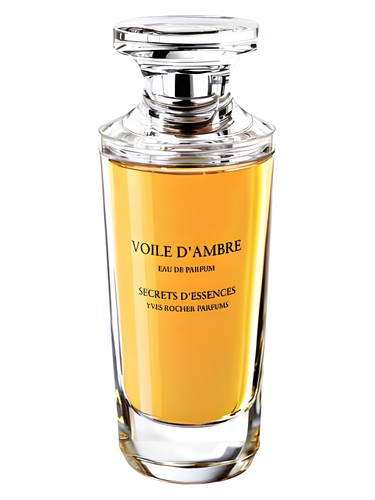
Fragrances that list it in their notes, most-rated first.
Houses that use it most
Ranked by how many of their well-known fragrances list Myrrh.