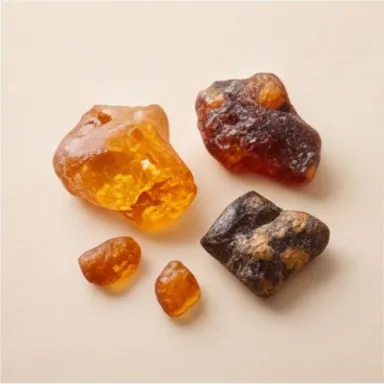
Resins
Sweet, warm tree sap with incense-like smoke, spice and a slightly medicinal darkness.
You may know it from Frankincense incense smoke
Where it comes from
Aromatic tree and shrub sap, collected after the bark is cut or naturally damaged.
Worth knowing
“Resins” is a family of materials, not one single scent.
About resins
Trees and shrubs make resin to protect themselves from disease or attack, and perfumery borrows it. Chemically, resins are water-insoluble mixtures made mostly of terpenes. Gums, which dissolve in water, are polysaccharides, so the two are different materials even when they ooze from the same bark.
The vocabulary around resins gets stretched. An oleoresin is a natural mixture of an oil and a resin, and a balsam, in the strict sense, is a resin containing benzoic or cinnamic acid. Perfumery uses these words loosely, and the list of resin-type ingredients runs on to balsams of Peru and tolu, elemi and styrax.
Raw resin is collected from cuts made in the bark, or taken straight from shrubs, and left to harden. Labdanum and frankincense are the usual examples. From there a perfumer can steam-distill it into an essential oil, extract it with solvent into a resinoid or absolute, use CO2 extraction, or recreate it in a laboratory. Indian attar tradition has a route of its own: according to one attar guide, resins are burned and then distilled, a destructive distillation that gives smoky oils called choya.
In a formula, the stated job is fixation. Benzoin is described as slowing the evaporation of volatile citrus and floral materials and extending their longevity. Suppliers also credit resins with a smoky, balsamic tone that adds depth, and with underpinning amber accords and incense-style fragrances. One supplier guide lists frankincense, labdanum, myrrh, copaiba, tolu balsam and gum benzoin as common in natural perfumery, while pine and fir resins are favoured in synthetic scents. In the Middle East, aromatic resins, gums and balsams are a staple of mukhallat blends.
The habit is old. Frankincense and myrrh were prized in ancient Egypt for religious incense rituals, and one perfume-culture article reports benzoin in use in China as early as the 7th century BCE.
Accords it shows up in
How many of the fragrances listing Resins in our catalogue also carry each accord. We counted this ourselves.
Often paired with
The notes that appear next to Resins most often in our catalogue.









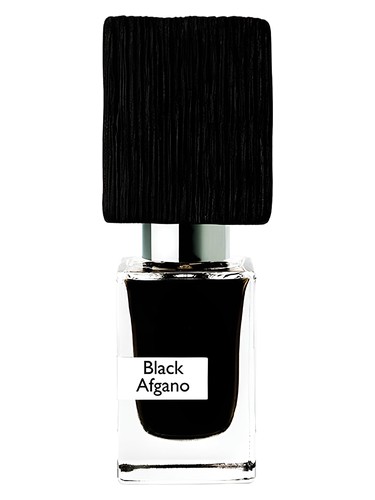
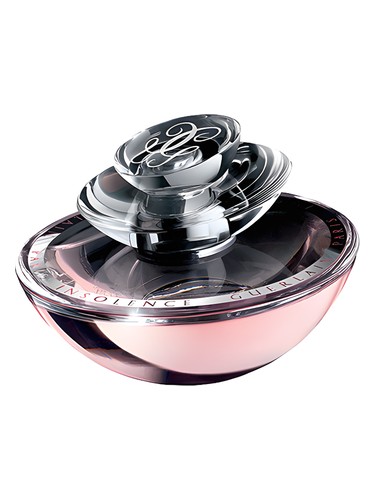
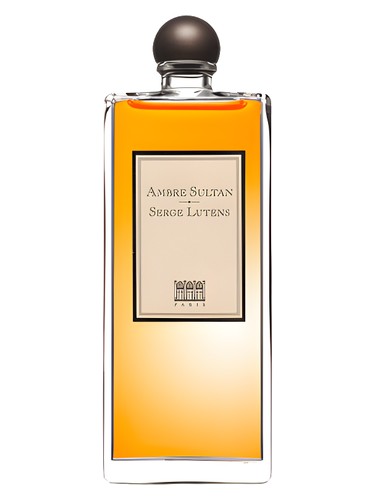
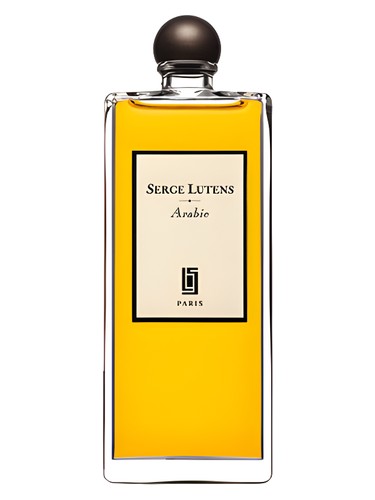
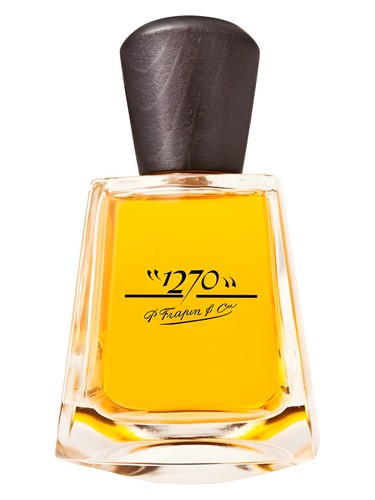
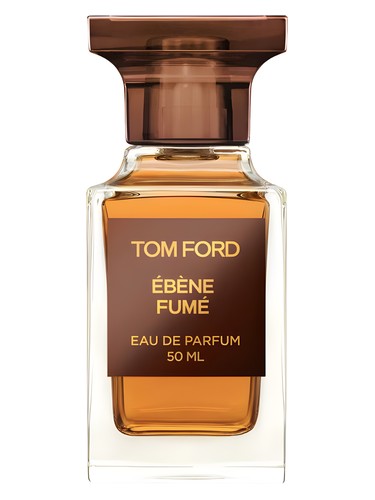
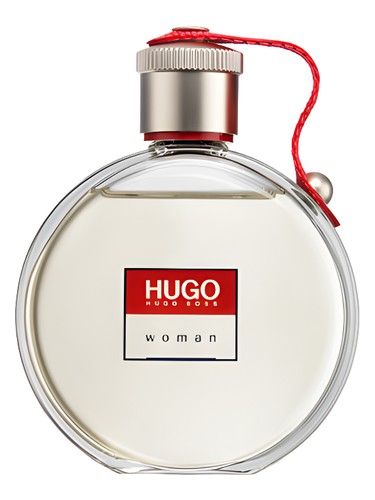
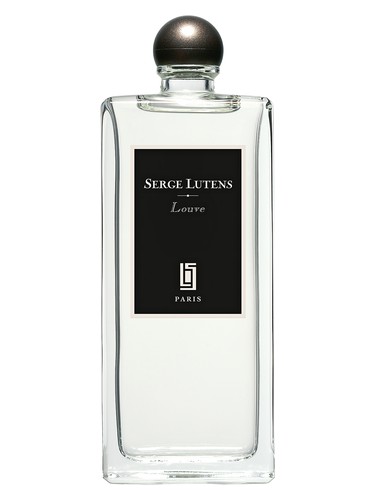
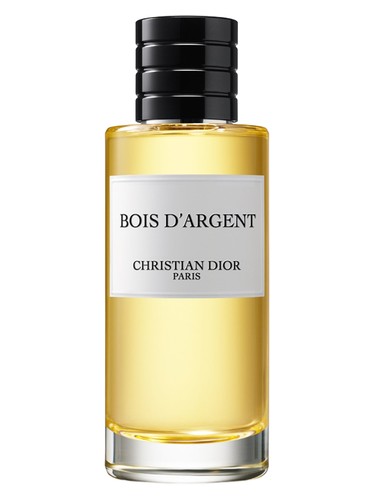
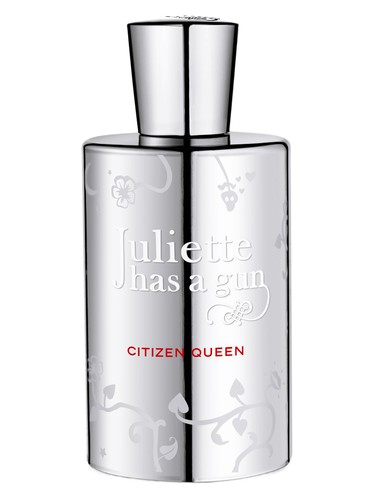
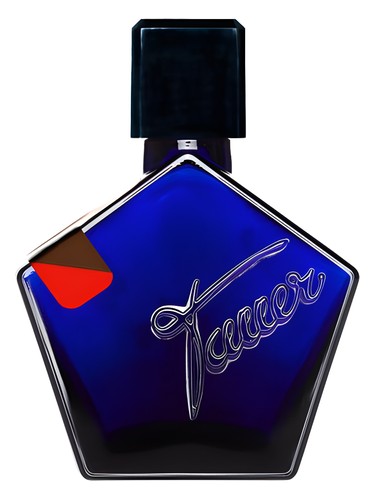
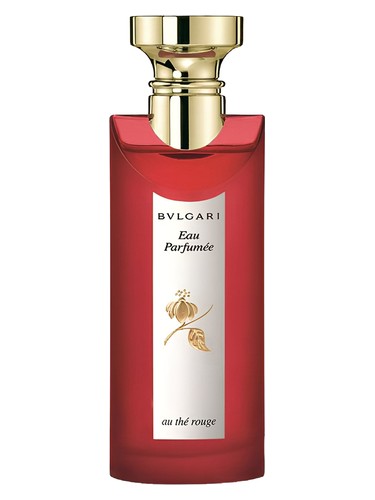
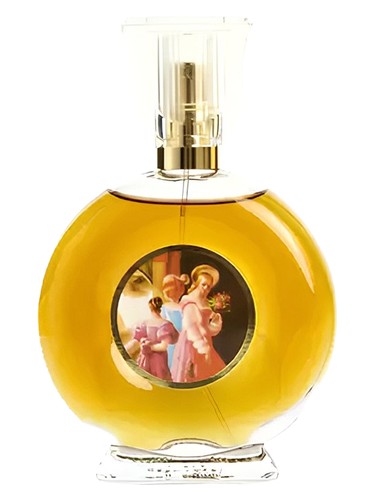
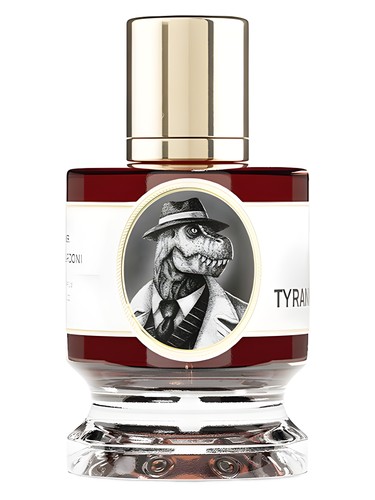
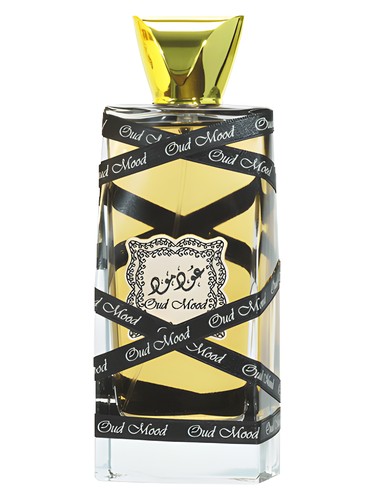
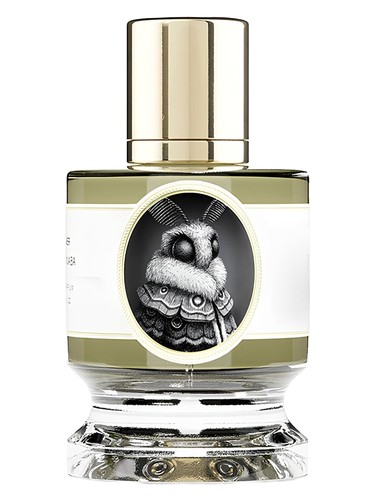
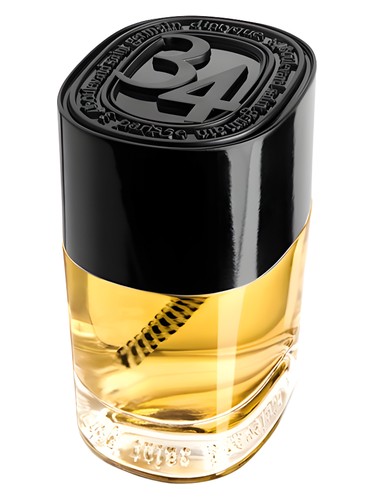
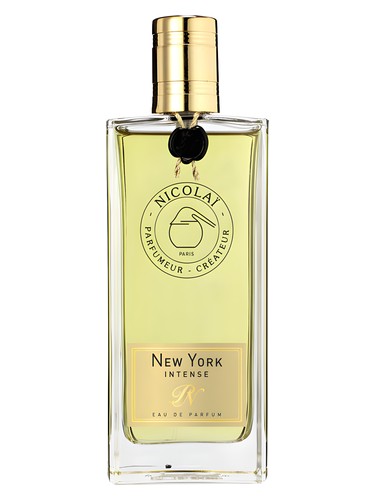
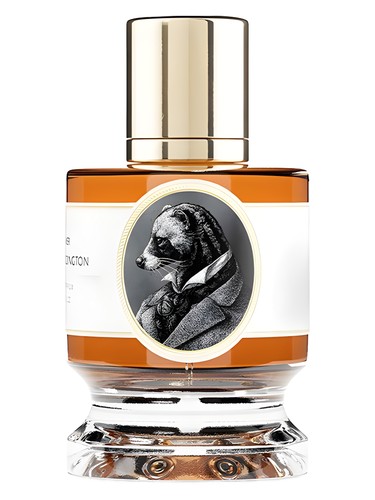
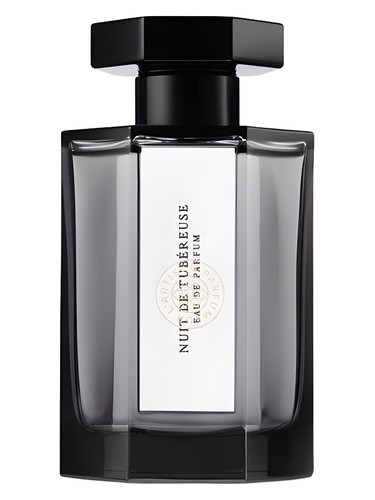
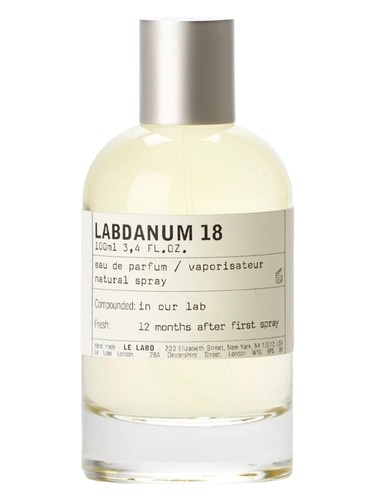
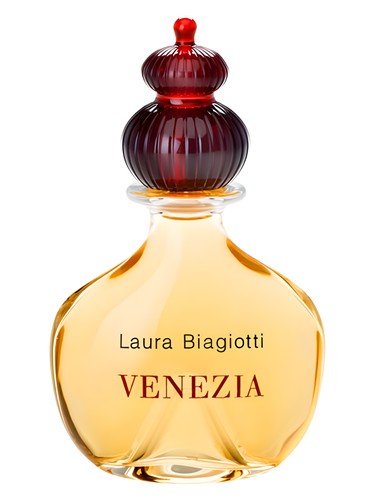
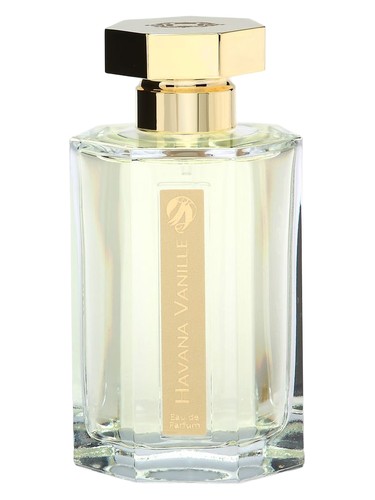
Well-known fragrances with Resins
Fragrances that list it in their notes, most-rated first.
Houses that use it most
Ranked by how many of their well-known fragrances list Resins.