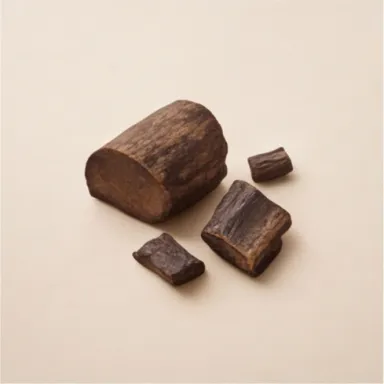
Peru Balsam
Sweet, warm tree resin with vanilla-like richness, cinnamon spice, and a faint leathery smokiness.
You may know it from Scented cough syrup or spiced cola
Where it comes from
A fragrant balsam tapped from Myroxylon trees in Central America.
Worth knowing
Can trigger allergic contact dermatitis in sensitive people.
IFRA rules
IFRA restricts Peru balsam to 0.41% in fine fragrance, citing dermal sensitization and systemic toxicity.
From the IFRA Standards, 51st Amendment. A perfume that lists this note may use a synthetic version the Standard does not cover.
About peru balsam
The name points at the wrong country. Peru balsam was collected in Central America and shipped to Callao, the port of Lima, before going onward to Europe. The tree behind it, Myroxylon balsamum var. pereirae, is native from southern Mexico through the Amazon regions of Peru and Brazil. Today the balsam is extracted by a handicraft process and mainly exported from El Salvador.
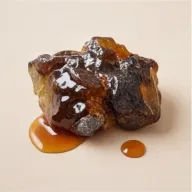
To get it, strips of bark are removed from the trunk and rags soak up the resin. What results is a dark-brown, oily, aromatic fluid. The same species gives a second commercial resin, Tolu balsam, which is taken from a different variety and in a different way. Tolu is described as similar to Peru balsam and frequently confused with it.
Perfumery is only one customer. The balsam is used to flavour food and drink, to scent cosmetics, and in antiseptic medicinal products. It also turns up under the microscope as a mounting medium, because its refractive index of 1.597 sits very close to that of many glasses used in optics.
Chemically, DermNet gives cinnamein as 60 to 70% of the balsam. Cinnamein covers cinnamic acid esters, benzyl benzoate, benzoic acid and vanillin, and other accounts divide the composition differently. The rest is resins and essential oils with a citrus-peel quality.
Regulators have been wary of it for a long time. IFRA has banned crude Peru balsam as a fragrance ingredient since 1982, and the IFRA rules above show where the limits stand now. DermNet reports that a positive patch-test result to balsam of Peru appears in 50% of fragrance allergy cases.
Accords it shows up in
How many of the fragrances listing Peru Balsam in our catalogue also carry each accord. We counted this ourselves.
Often paired with
The notes that appear next to Peru Balsam most often in our catalogue.










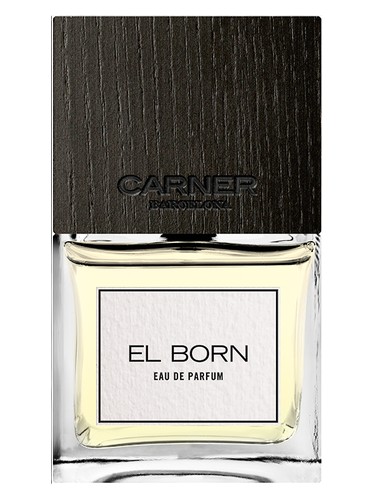
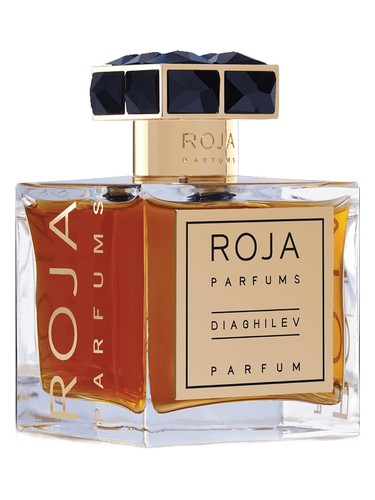
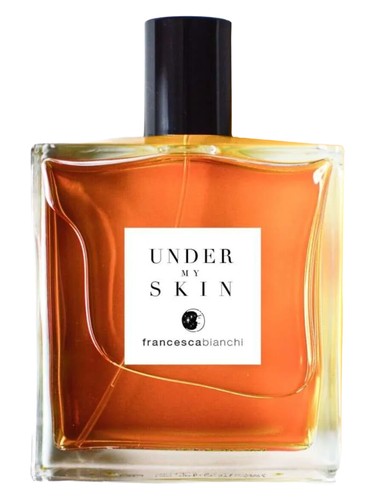
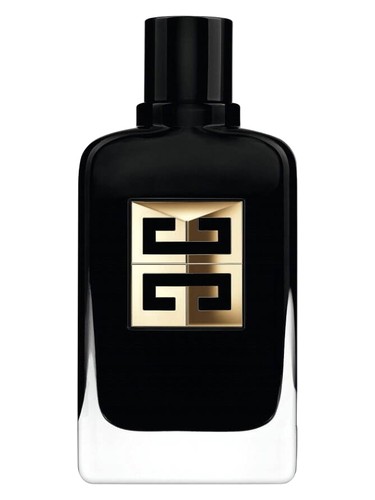
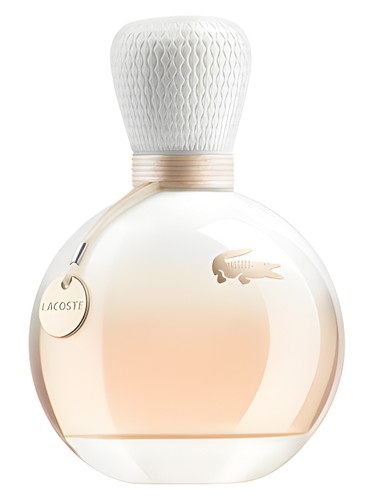
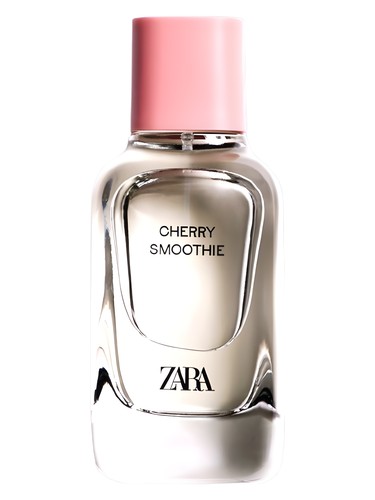
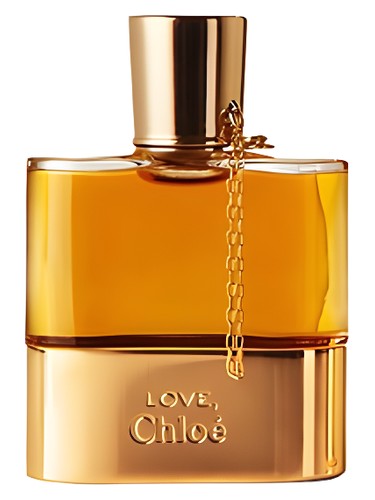
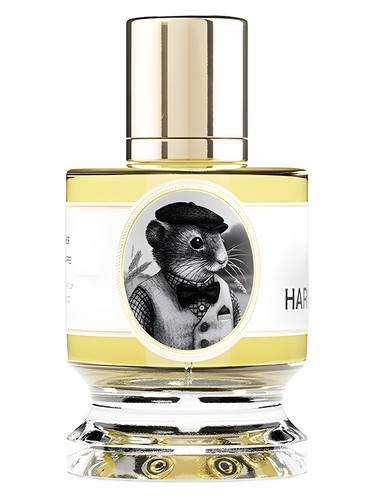
Well-known fragrances with Peru Balsam
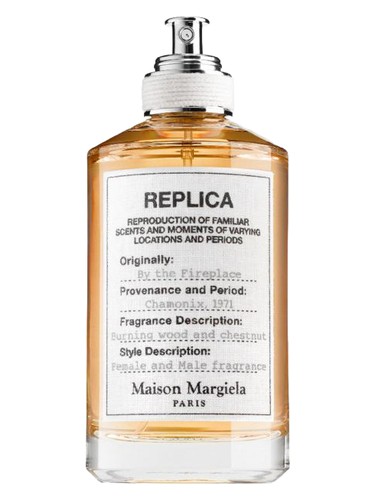
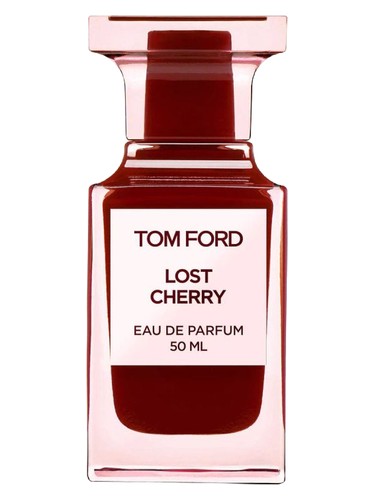
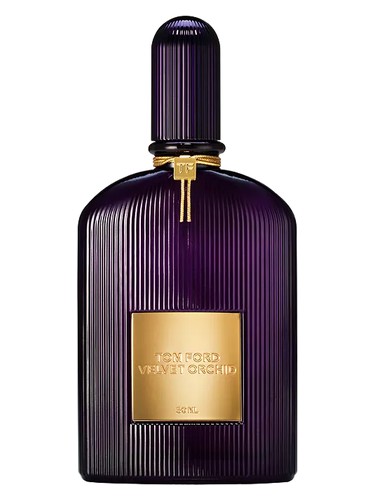
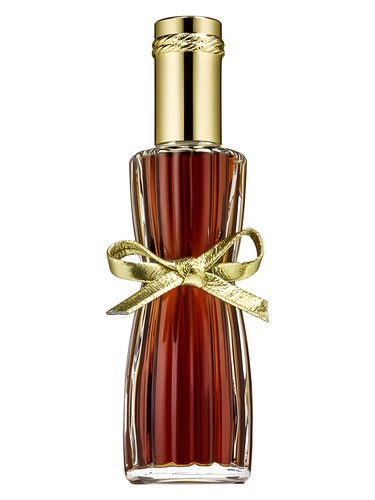
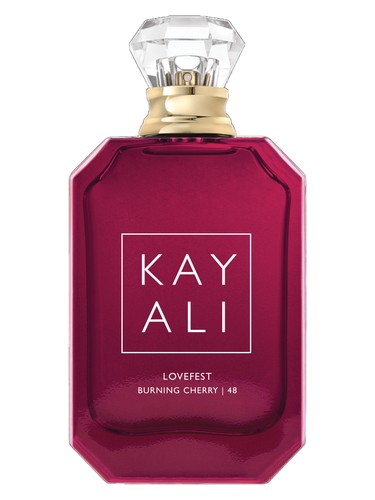
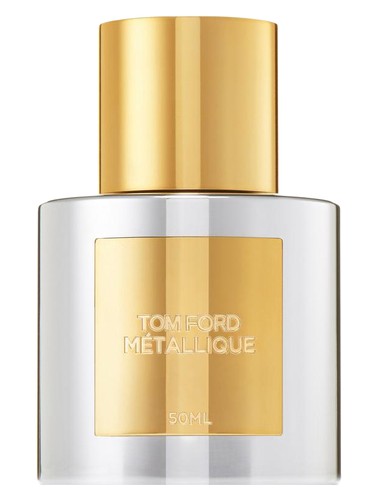
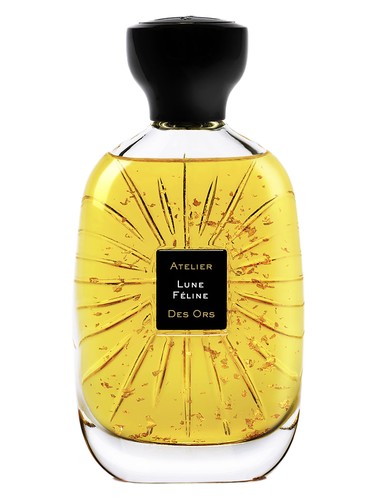
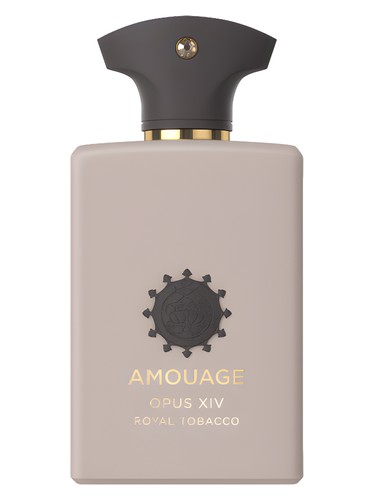
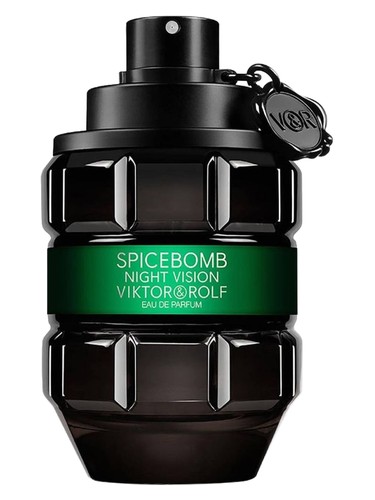
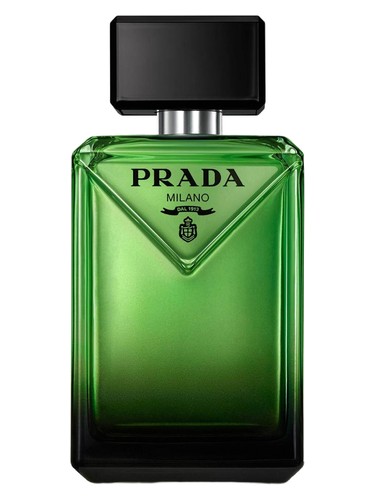
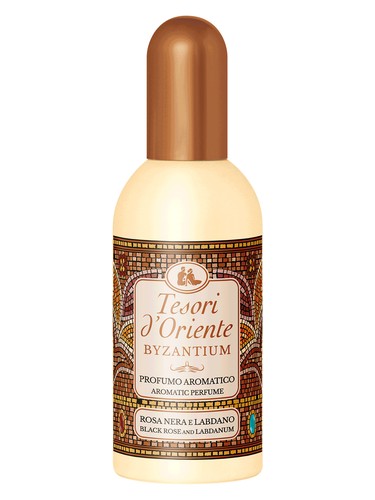
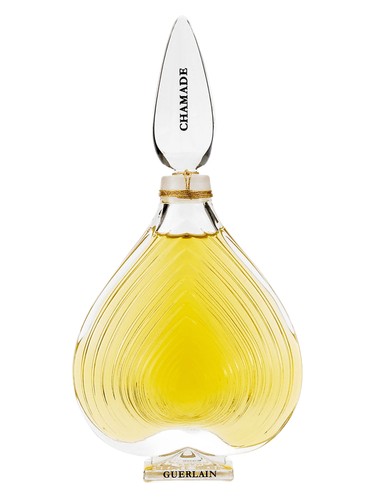
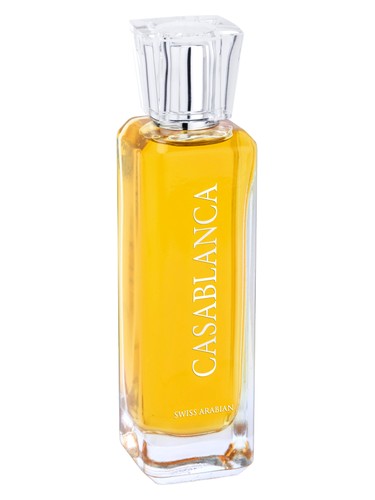
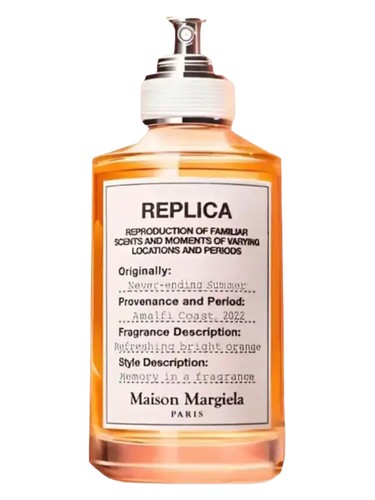
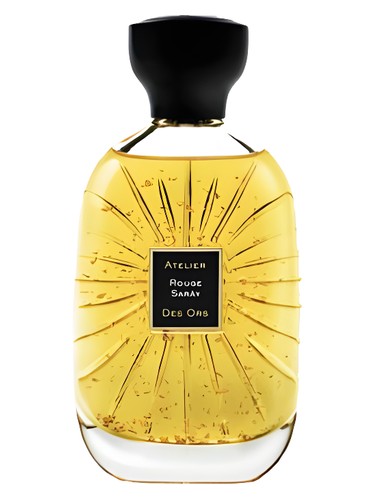
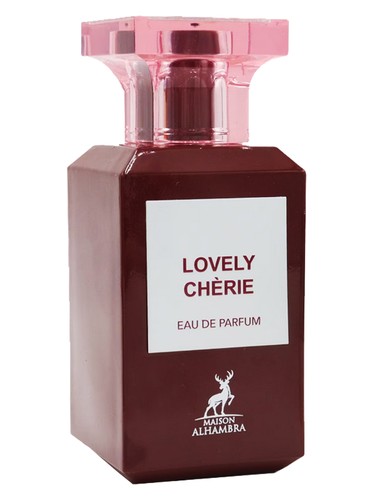
Fragrances that list it in their notes, most-rated first.
Houses that use it most
Ranked by how many of their well-known fragrances list Peru Balsam.