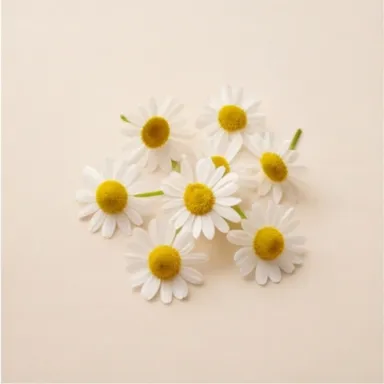
Chamomile
Warm herbal tea with apple-like sweetness, hay, and a slightly bitter green edge.
You may know it from Chamomile tea
Where it comes from
Steam-distilled from chamomile flowers, especially Roman and German chamomile.
Worth knowing
It smells more herbal and bitter than the tea suggests.
About chamomile
German chamomile oil is blue, and the blue is made in the still. Its colour comes from chamazulene, a blue-violet compound that is absent from the fresh flower as such and forms from a sesquiterpene called matricin, after it loses acetate, water and carbon dioxide, during steam distillation. That is why the oil goes by the name blue chamomile.
The material is the flower head of Matricaria recutita, the plant the European Medicines Agency lists as chamomile. The essential oil is distilled, mostly from fresh flower buds and flower stalks.
The oil's main molecule is a different one. Bisabolol is the primary constituent of German chamomile oil and can reach 33% of it. On its own it smells weakly sweet and floral, fruity and a little nutty, and has been likened to apples, sugar and honey. A synthetic version, usually a racemic mixture of two forms, is also made, and it is used in cosmetics.
Roman chamomile, Chamaemelum nobile, is described as sweet, crisp, fruity and herbaceous. It goes into perfumes and cosmetics as well as tea and aromatherapy.
Chamomile has a reputation as a soothing herb, yet there is no clinical evidence that consuming it treats any disease. The European Medicines Agency also notes that allergic reactions, sometimes severe, have been reported after contact with liquid chamomile preparations.
Accords it shows up in
How many of the fragrances listing Chamomile in our catalogue also carry each accord. We counted this ourselves.
Often paired with
The notes that appear next to Chamomile most often in our catalogue.












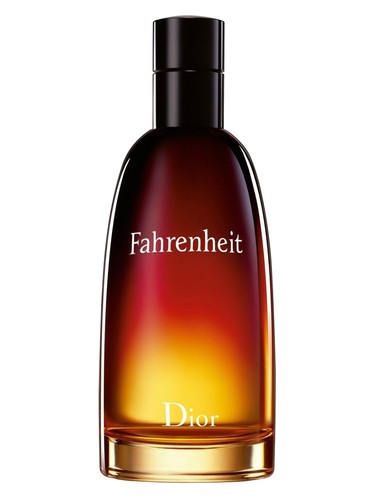
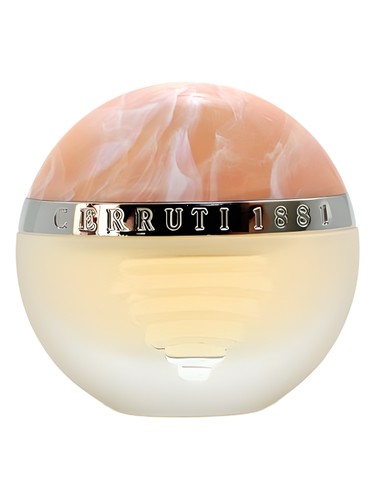
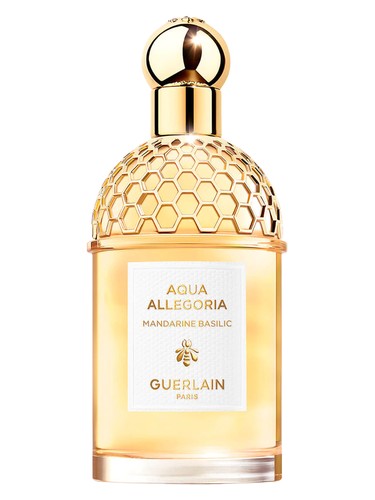
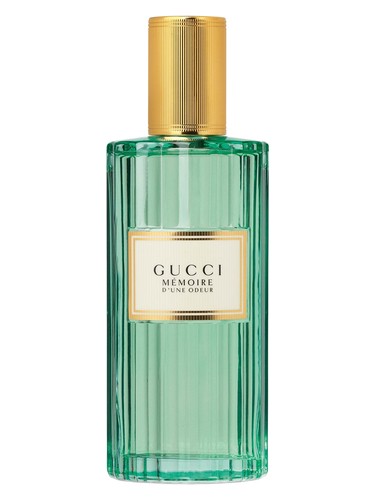
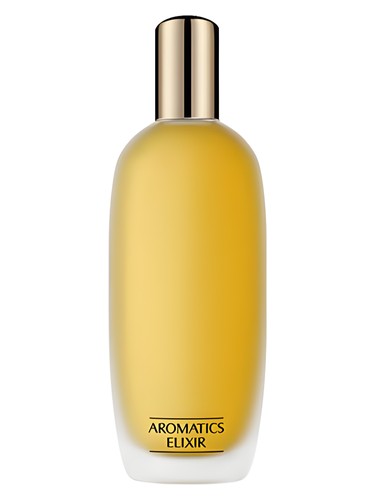
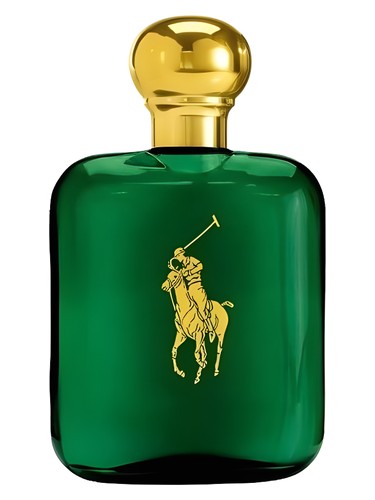
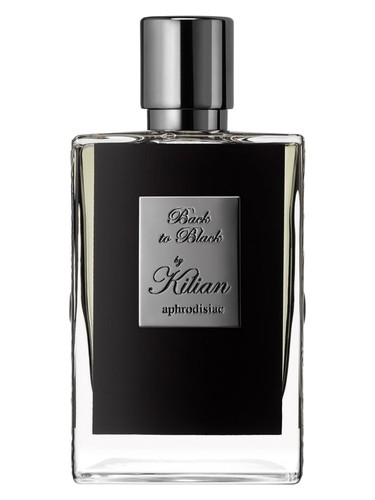
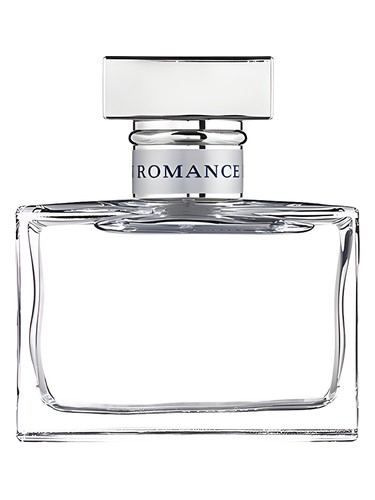
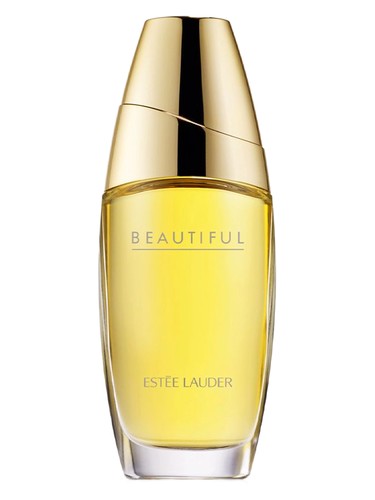
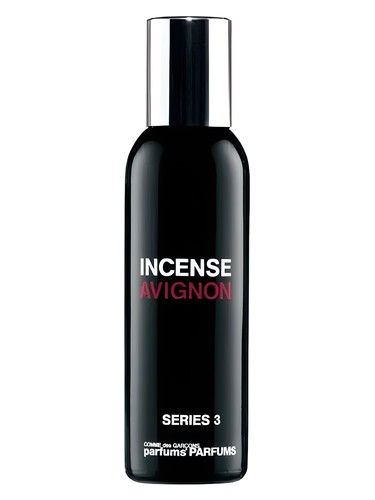
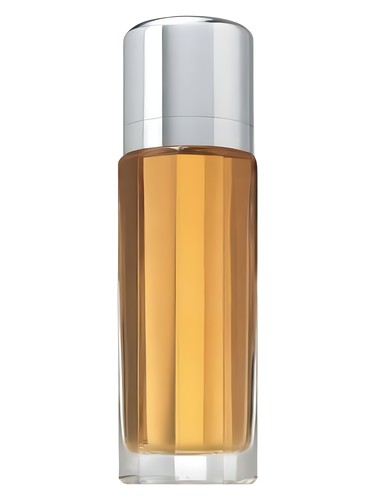
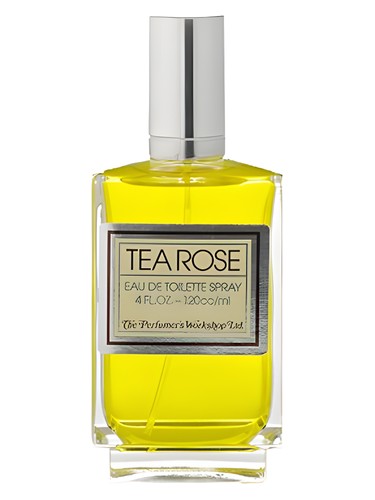
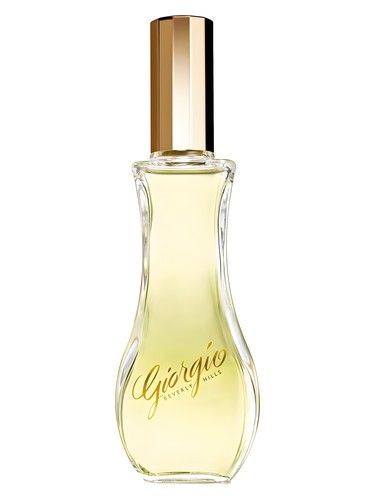
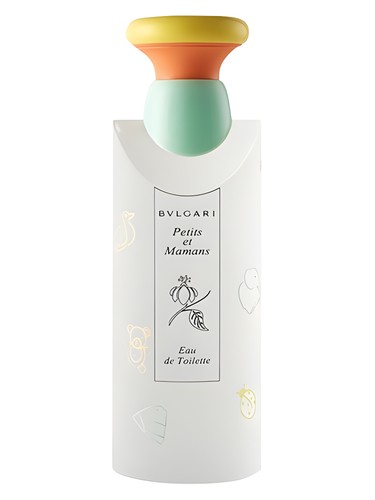
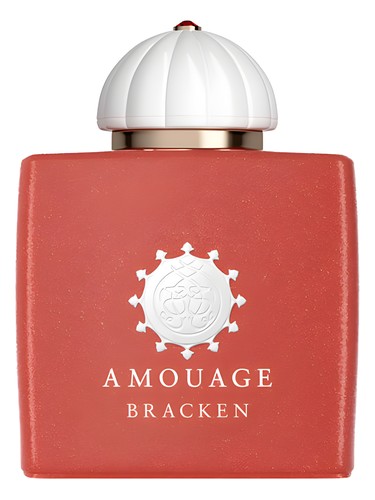
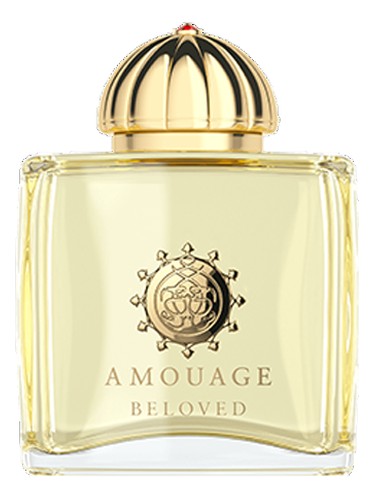
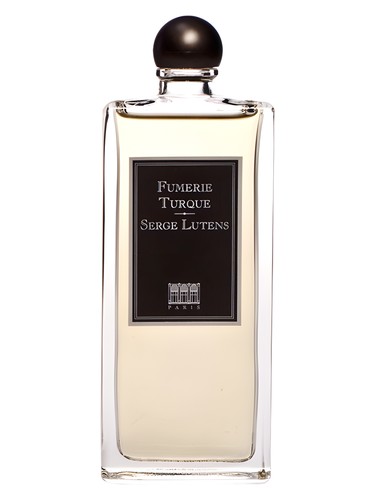
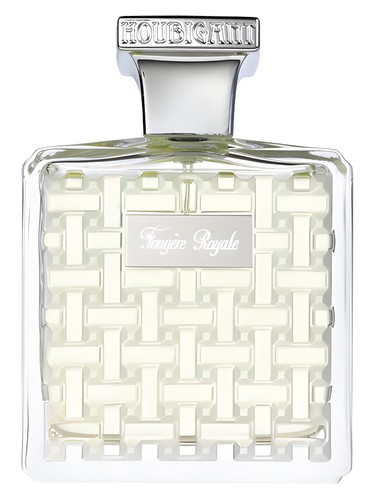
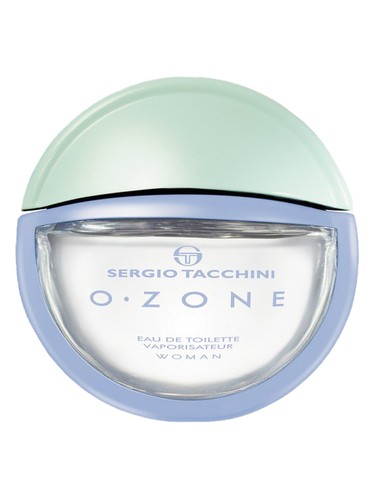
Well-known fragrances with Chamomile
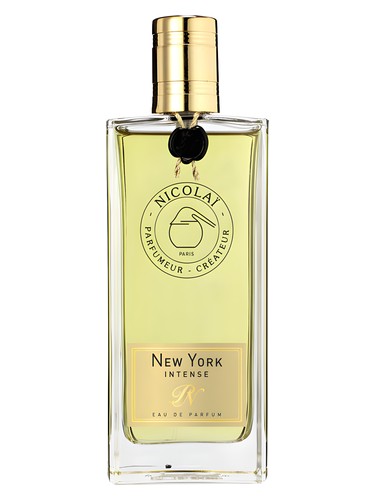
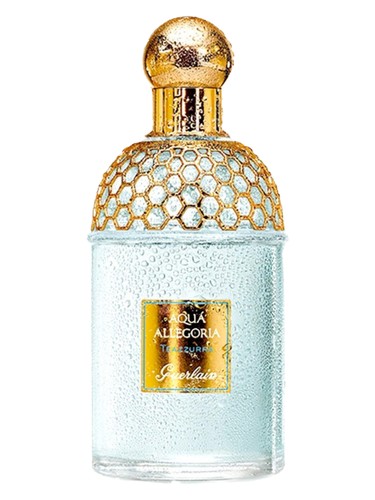
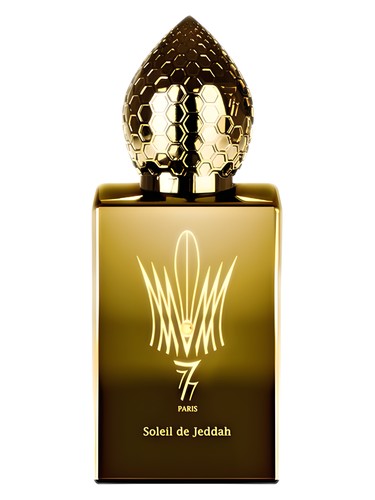
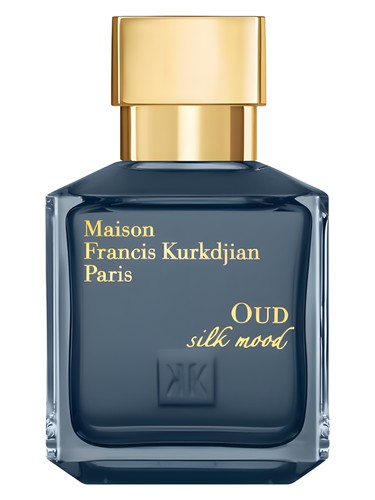
Fragrances that list it in their notes, most-rated first.

Houses that use it most
Ranked by how many of their well-known fragrances list Chamomile.