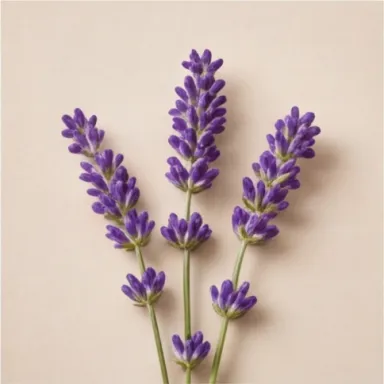
Lavender
Clean, herbal purple flowers with a cool, slightly camphor-like freshness.
You may know it from Lavender soap or a dried lavender sachet
Where it comes from
Steam-distilled essential oil from lavender flowers and stems.
Botanical name: Lavandula
About lavender
Three different oils can sit behind the word lavender. True lavender oil comes from Lavandula angustifolia, spike lavender oil from another species, L. latifolia, and lavandin (Lavandula x intermedia) is a hybrid of the two. Lavandin oil is similar to lavender oil but has more terpenes, camphor among them, which give it a sharper overtone. Fine lavender oil carries little camphor and cineole, while lavandin reads sharper and more medicinal. It also yields much more oil per hectare.
The plant is called English lavender, although it is native to the Mediterranean basin. The oil is made by steam distillation of the flowering tops, harvested from late June to August. Essentialoil.com says a slower, gentler distillation is thought to preserve the delicate esters behind the sweetness of fine lavender. Lavender absolute is a separate material, made by solvent extraction of a concrete. One study puts it at roughly 130 kg of flowers per kilogram, and says it carries waxes and coumarins that the oil lacks.
Bulgaria, France and China are named as the leading producers, and sources differ on who is first. A 2012 Bulgarian news item gave Bulgaria 45 to 50 tonnes for 2011 against 25 to 30 for France. Altitude matters too. One supplier describes high-altitude French lavender as sweeter, fresher and lighter than valley or Bulgarian lots.
In the oil, linalool is described as the fresh-floral lift and linalyl acetate as a sweet, almost bergamot-like softness, over dry herbs with a camphoraceous edge. Lavender is the structural top-to-heart note of the fougère family. The name means fern, yet no fern gives that scent. Decades of laundry products have coded lavender as clean and functional, and perfumers pair it with leather, tobacco or resins to move away from that reading.
Linalool and linalyl acetate oxidise in air, even inside the essential oil, and the EU's SCCS says the oxidised forms are a frequent cause of contact allergy. Lavender oil is also among the most commonly adulterated essential oils, and chirality analysis can show linalool added from sources such as ho wood or coriander. Spike lavender oil, for its part, was once used as a solvent in oil painting before turpentine became standard.
Accords it shows up in
How many of the fragrances listing Lavender in our catalogue also carry each accord. We counted this ourselves.
Often paired with
The notes that appear next to Lavender most often in our catalogue.











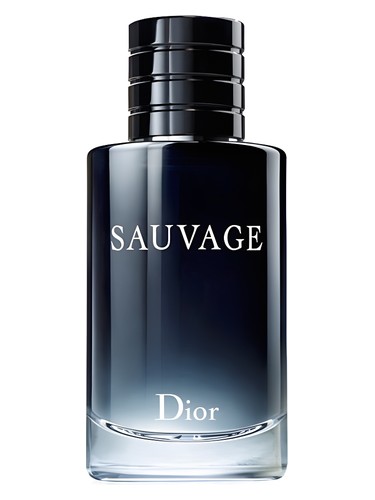
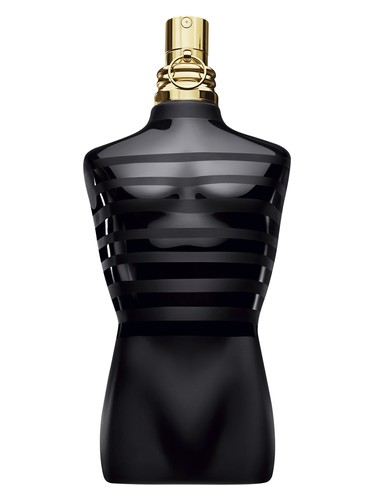
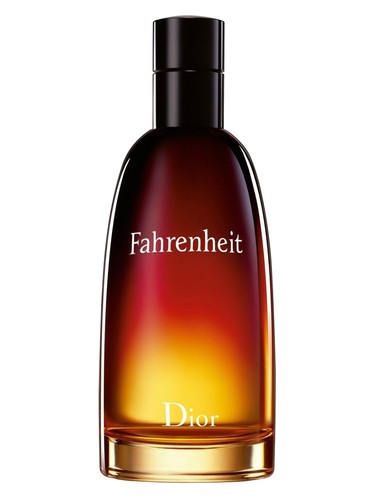
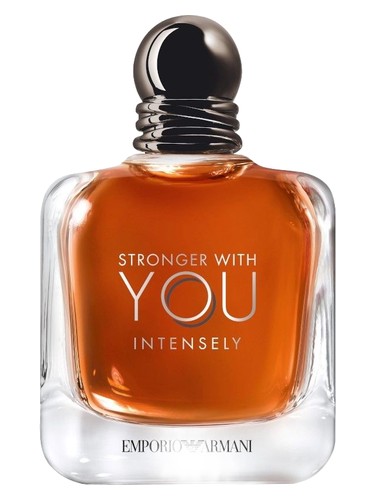
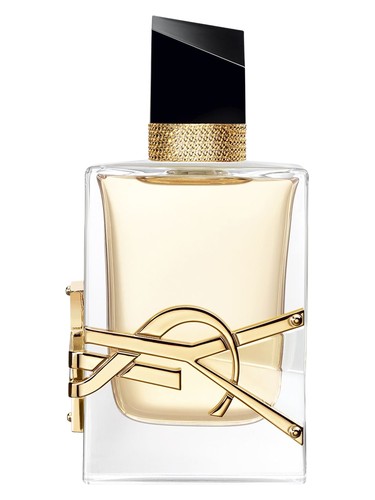
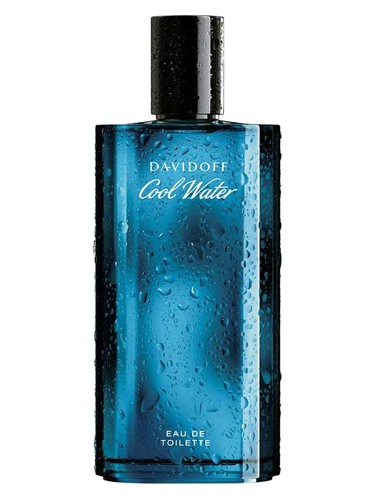
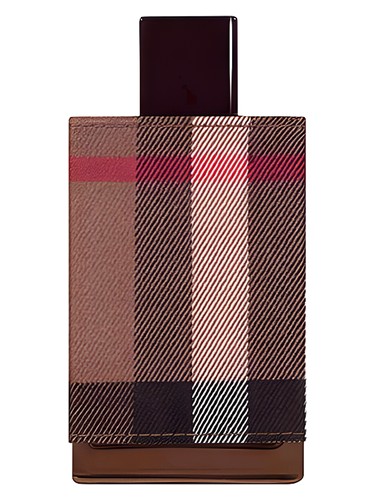
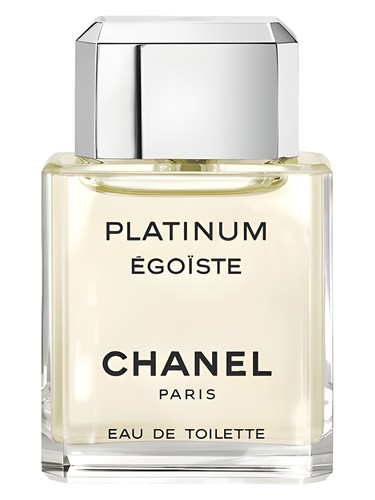
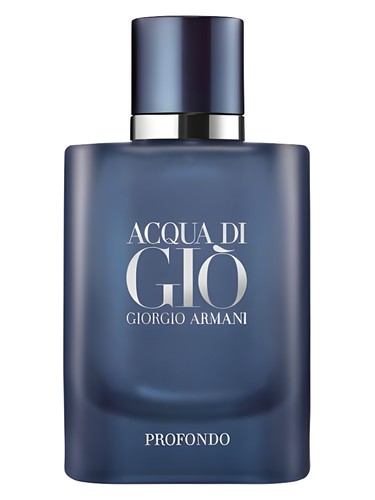
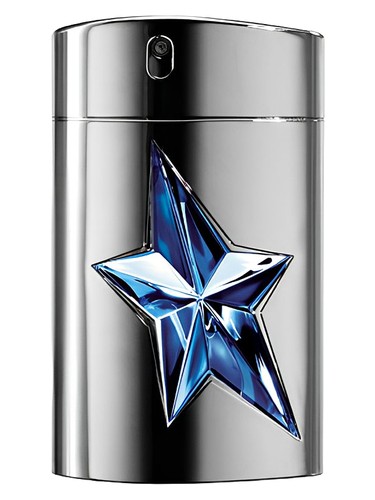
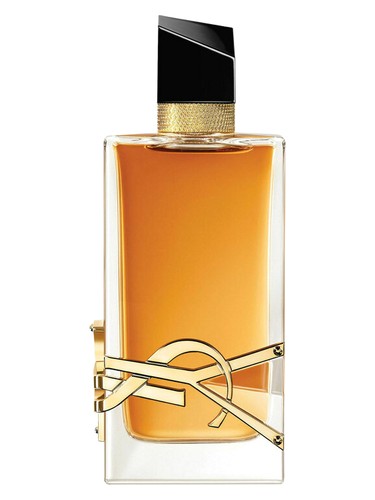
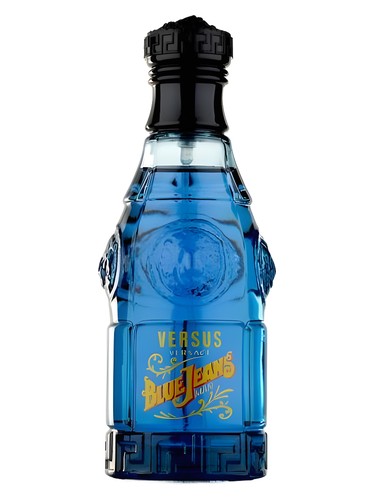
Well-known fragrances with Lavender
Fragrances that list it in their notes, most-rated first.
Houses that use it most
Ranked by how many of their well-known fragrances list Lavender.