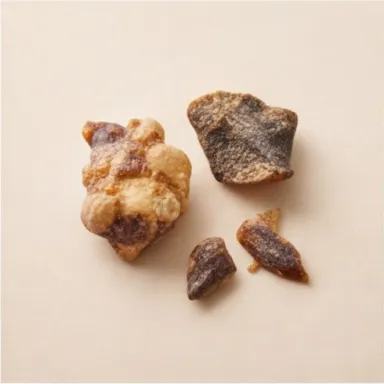
Styrax
Sweet, warm tree resin with smoky leather, vanilla, cinnamon and a faint medicinal edge.
Where it comes from
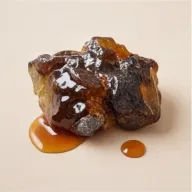
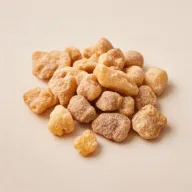
A balsamic resin from sweetgum trees, usually processed into a dark, fragrant resinoid.
Worth knowing
Despite the name, perfume styrax usually comes from sweetgum, not Styrax trees.
IFRA rules
IFRA restricts Styrax to 0.64% in fine fragrance, citing dermal sensitization.
From the IFRA Standards, 51st Amendment. A perfume that lists this note may use a synthetic version the Standard does not cover.
About styrax
Styrene, the molecule, takes its name from Levant styrax, the sweetgum resin of Liquidambar orientalis from which it was first isolated. In one analysis of the steam-distilled Turkish oil, styrene made up 92.6% and alpha-pinene 2.2%. That oil is a small part of the balsam, only 0.5 to 1% of it.
The resin comes from the trunk. Collectors wound the tree and gradually strip about a quarter of the trunk lengthwise. Dioscorides recorded storax as an incense, used like frankincense, and sweetgum oil held an important place in Mediterranean trade.
Trees of the genus Styrax give a different resin, benzoin, and the shared name keeps causing mix-ups. Two perfume guides place benzoin on the sweeter side, with a vanillic warmth from benzoic acid and vanillin, while styrax is dominated by cinnamic derivatives and reads leathery and spicy. The chemical called benzoin, for its part, is not found in benzoin resin in measurable amounts.
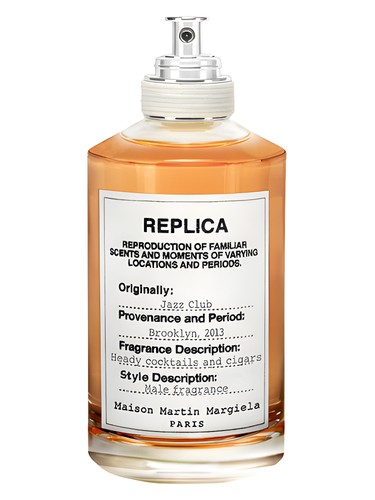
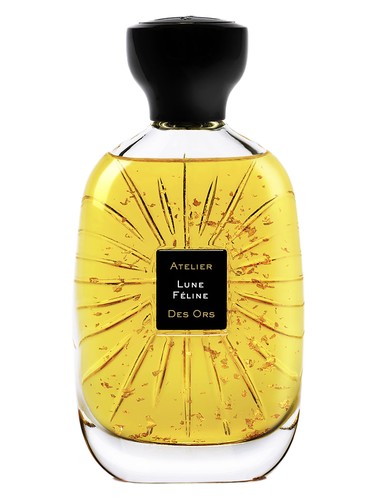
On skin, one resinoid glossary describes it as dark and balsamic-leathery with a raw, almost animalic warmth. Another guide hears a sharp, spicy cinnamic opening, a dense honeyed body and a tarry, smoky drydown. The Good Scents Company lists the odour as balsamic with a styrene note, and gives roughly 400 hours of substantivity on a blotter. Perfumers use it as a base note in leather, amber and incense accords, and it sits beside birch tar in classic leather bases. Ethyl cinnamate and styralyl acetate can imitate the sweet-balsamic, cinnamon-leather side, though they are said to lack the animalic undertones of the natural material. One guide cites Maison Martin Margiela Jazz Club (2013), Atelier des Ors Lune Feline (2015) and Francesca Bianchi The Dark Side (2016) as modern perfumes that use it.
The IFRA rules above apply to styrax, and the EU's SCCP concluded in 2005 that storax from Liquidambar orientalis is a contact allergen.
Accords it shows up in
How many of the fragrances listing Styrax in our catalogue also carry each accord. We counted this ourselves.
Often paired with
The notes that appear next to Styrax most often in our catalogue.










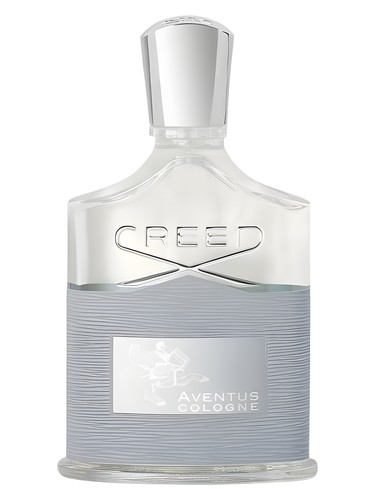
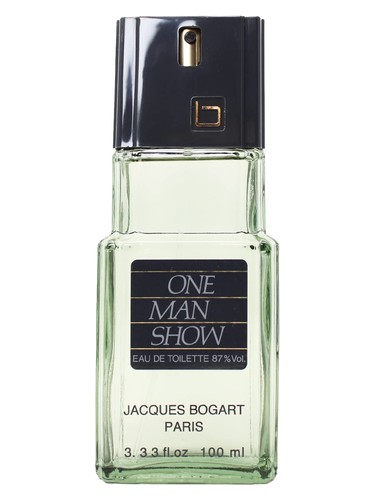
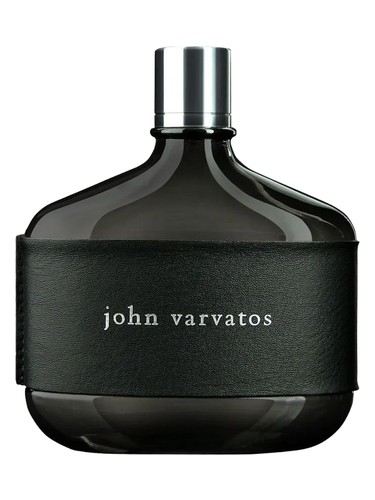
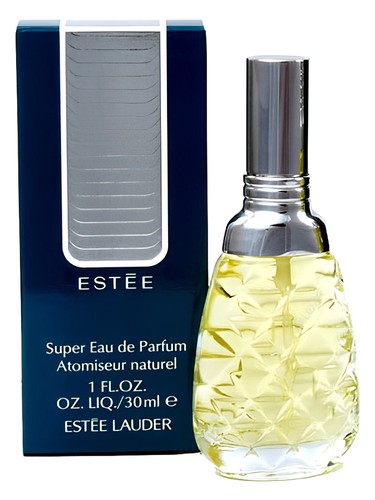
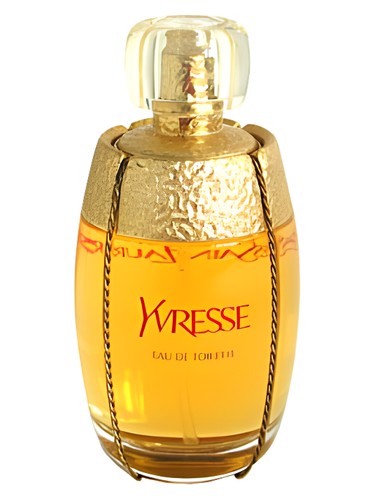
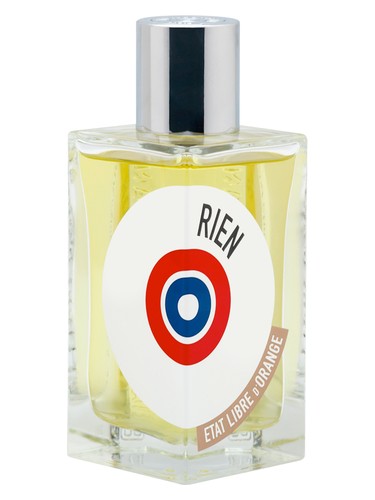
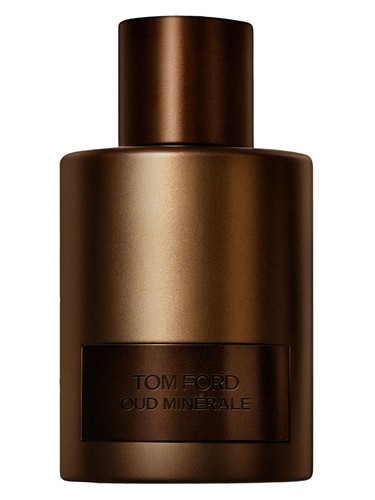
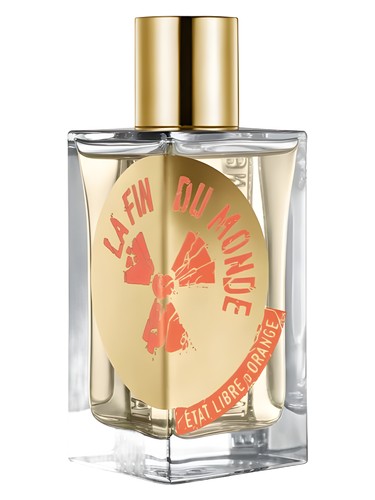
Well-known fragrances with Styrax
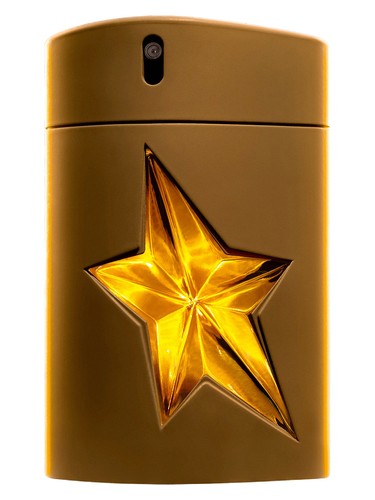
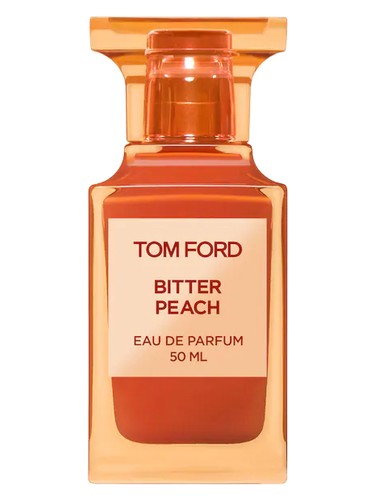
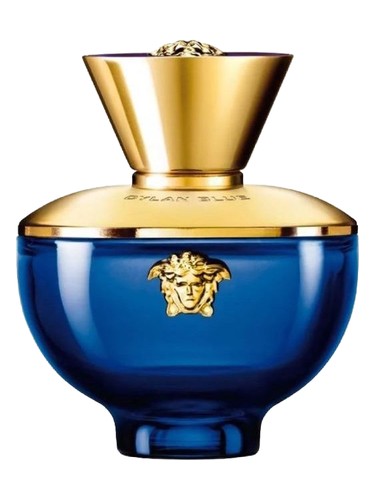
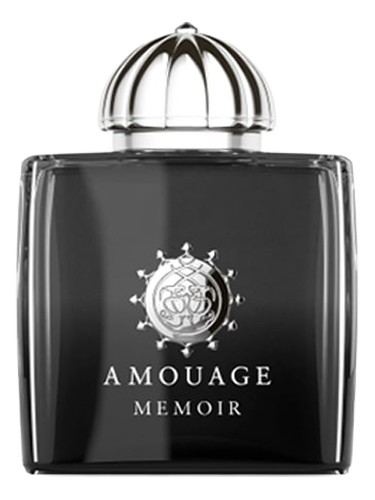
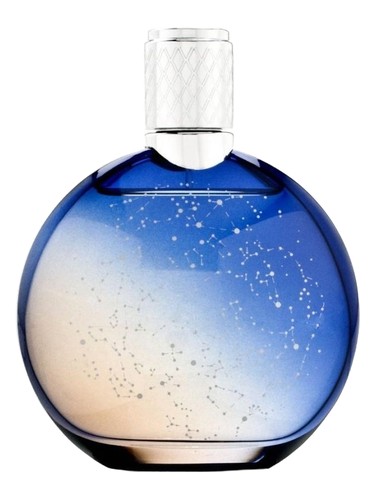
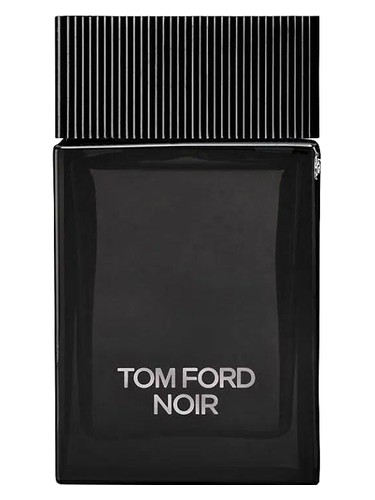
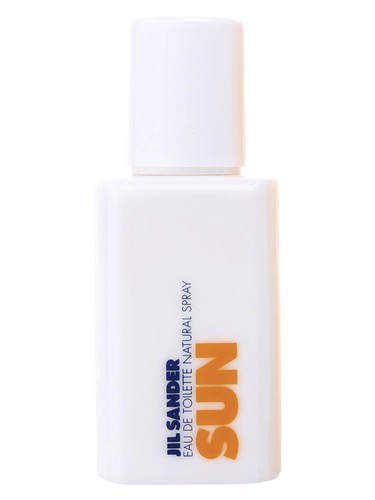
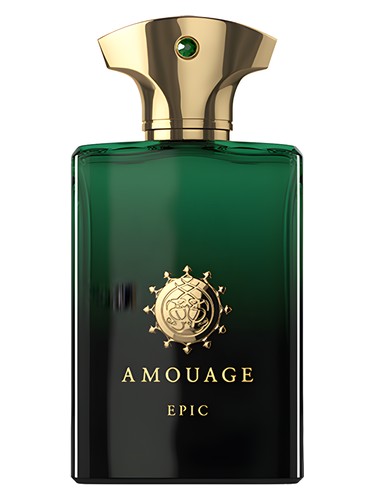
Fragrances that list it in their notes, most-rated first.
Houses that use it most
Ranked by how many of their well-known fragrances list Styrax.