Fleurs de Rocaille
Fragrance notes




Character
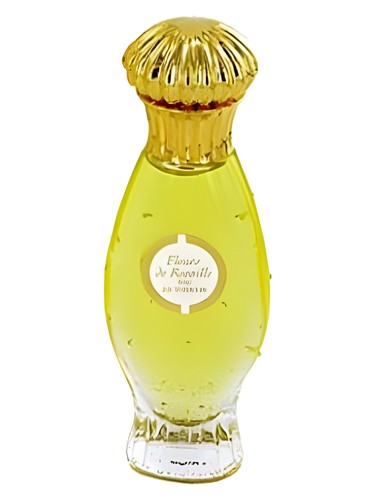
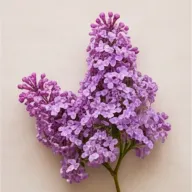
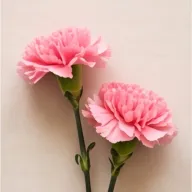
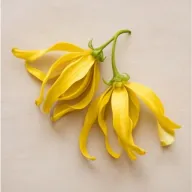
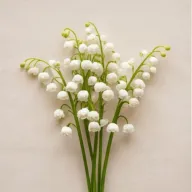
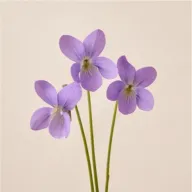
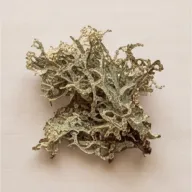
Ernest Daltroff’s 1934 aldehydic floral feels like opening a cedar-lined hope chest in a rain-soaked Parisian garden. That first spritz is crisp and cool — the aldehydes snap like starched linen, while tinctured rose and lilac offer a powdered, almost vintage handshake. The heart blooms with carnation’s clove warmth and ylang-ylang’s honeyed heft, but lily-of-the-valley keeps it from tipping into syrupy territory. As this dries down, the oakmoss and sandalwood pull the whole composition back to earth with a gentle, woody powdery finish. The overall impression is of a silk chemise preserved for decades, still holding a ghost of gardenia soap and good manners.
There is an undeniable restraint here. The sillage sits close, barely three out of five, and longevity hovers around the same — you will be reaching for a decant by lunch. That is the honest weakness; this is not a beast, it is a whisper. It feels gracefully synthetic in the way classic aldehydics do, never trying to trick you into smelling like a real flower. It is niche in spirit, but with the polish of old-school French couture. This belongs on a woman who values elegance over impact, someone who wants to smell clean, composed, and gently romantic without shouting. Skip it if you crave projection or edible sweetness. Wear it for a spring wedding, a lunch meeting, or a quiet afternoon where you need a talisman of your own composure.
Smells similar
We matched these by the notes each one lists, giving more weight to the unusual ones they share. Sharing materials does not make one a copy of the other.