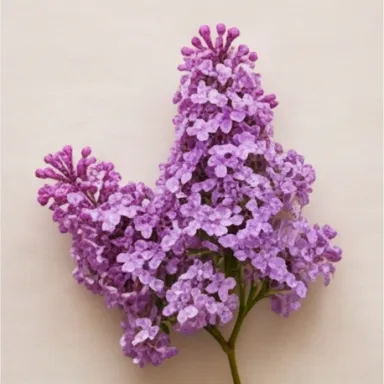
Lilac
Sweet, airy spring blossoms with a cool green, slightly powdery scent.
You may know it from A blooming lilac bush in spring
Where it comes from
Usually rebuilt from aroma chemicals because lilac flowers yield no practical perfume extract.
Botanical name: Syringa
Worth knowing
Lilac perfume is a reconstruction, not usually distilled from lilac flowers.
About lilac
Lilac is called a silent flower, because conventional extraction does not capture its scent. The shrub behind the note is common lilac, Syringa vulgaris, a member of the olive family grown in gardens and parks for its sweet-smelling blossoms. It is native to the southern Balkans, including Serbia, North Macedonia and Bulgaria, and reached northern European gardens from Ottoman gardens at the end of the 16th century.
Sources disagree on what a bottle labelled lilac absolute can be. One perfumery writer says no natural lilac extract worthy of the name has ever existed. The Good Scents Company does list the absolute as a material, sold as CO2 extracts or enfleurage oils, while stating that a true essential oil does not exist because the yield is negligible and that many attempts at a genuine absolute have failed. Its IFRA-based recommendation for the absolute is up to 0.5% in the fragrance concentrate.
In perfume, then, lilac is assembled from other materials. Delacourte gives a usual list of linalool, cis-3-hexenol, terpineol, lilial, hydroxycitronellal, citronellol, isoeugenol, phenylethyl alcohol and heliotropin. Lilial has been banned from cosmetics in the EU since March 2022. Alpha-terpineol is the molecule most associated with the lilac odour, listed among pine, citrus and woody descriptors. None of these smells of lilac alone, and together they evoke it. Anisaldehyde is named for a powdery-sweet edge, and trace indole for animalic depth, although Delacourte says a perfumer separating lilac from lily of the valley will add paracresol instead. One published accord formula runs to 27 materials.
Premiere Peau describes the result as powdery, sweet and cool, closer to violet than to rose, moving from a sharp green-floral opening to a softer violet-like stage before it fades.
Accords it shows up in
How many of the fragrances listing Lilac in our catalogue also carry each accord. We counted this ourselves.
Often paired with
The notes that appear next to Lilac most often in our catalogue.









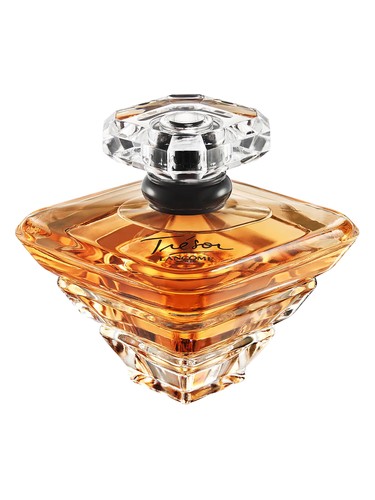
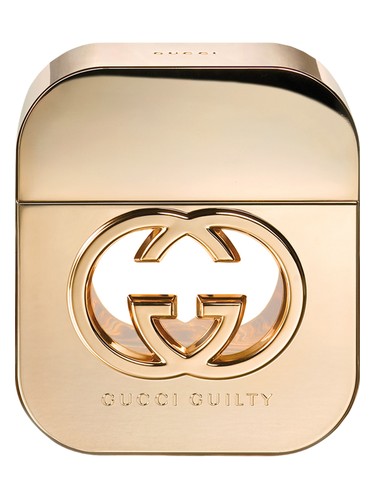
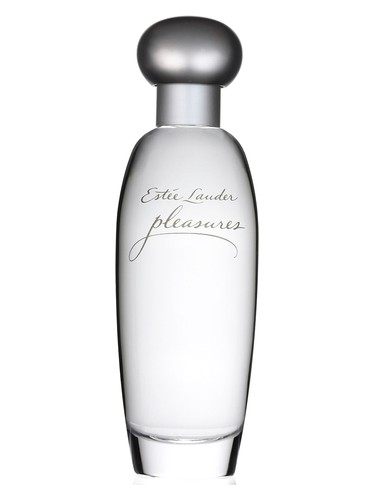
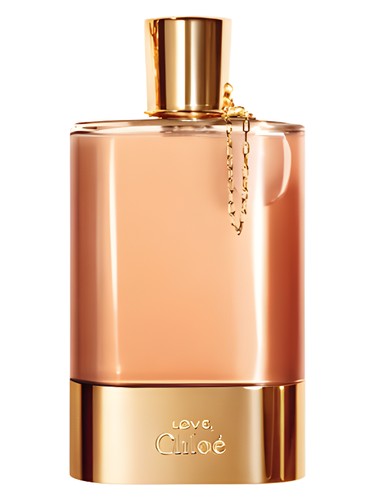
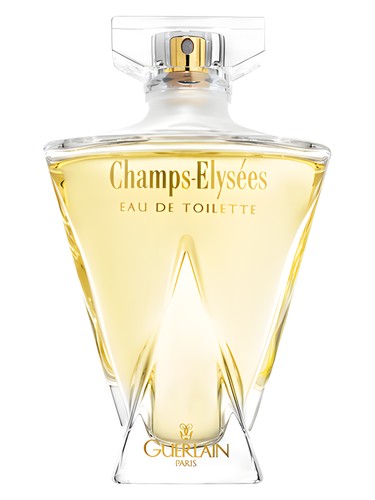
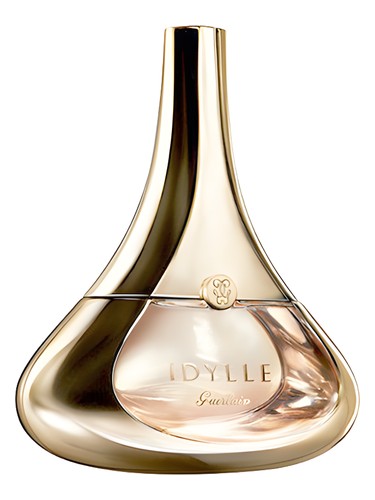
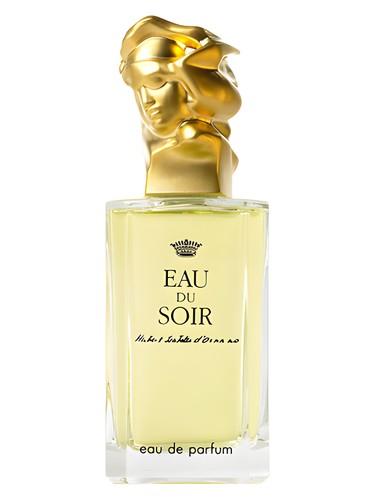
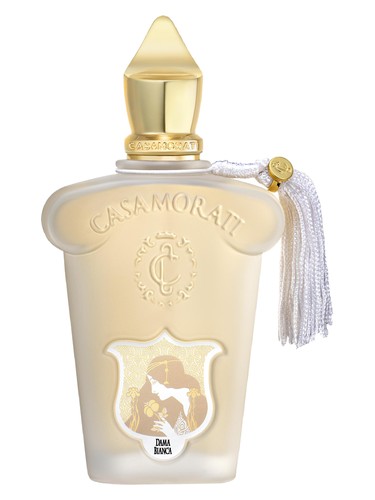
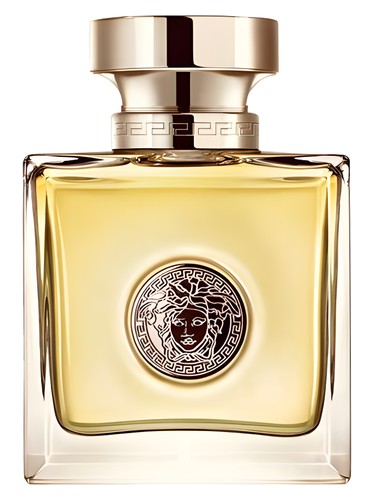
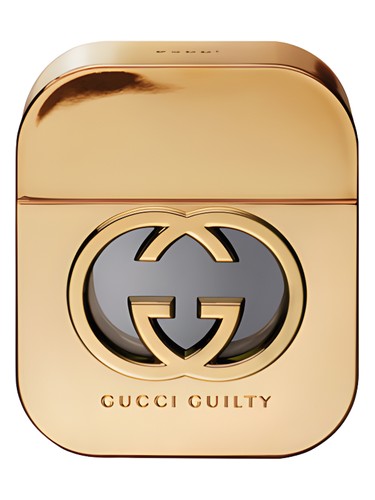
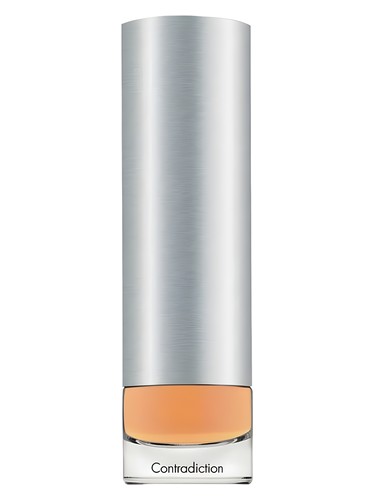
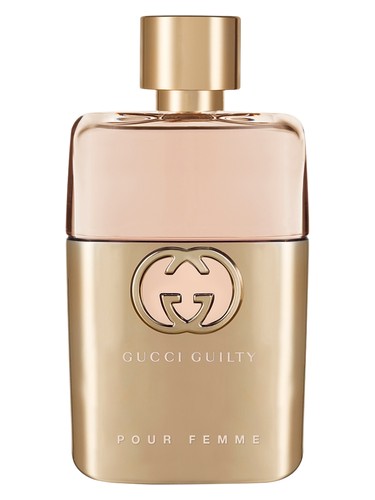
Well-known fragrances with Lilac
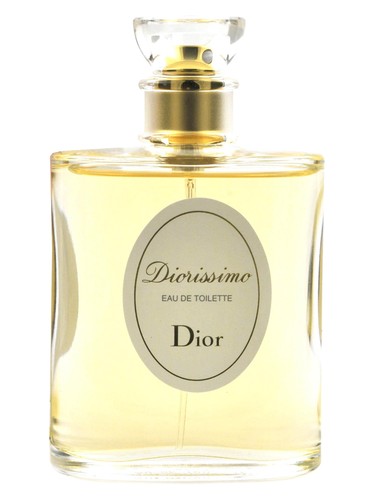
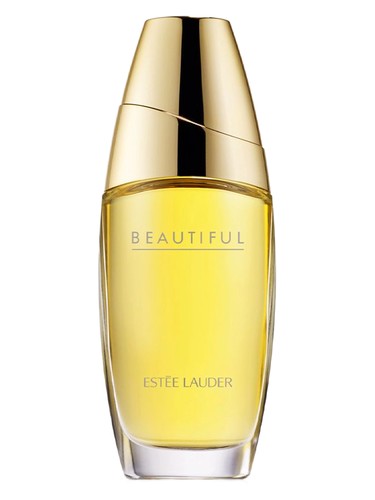
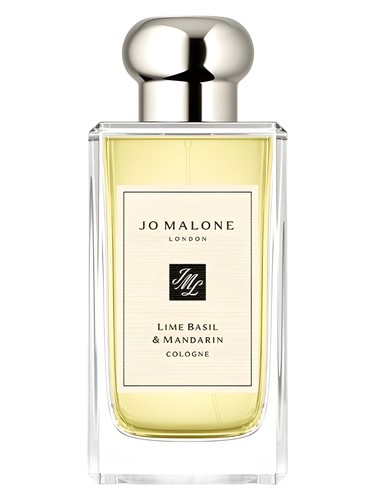
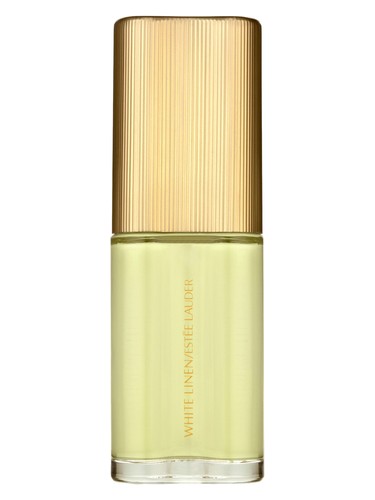
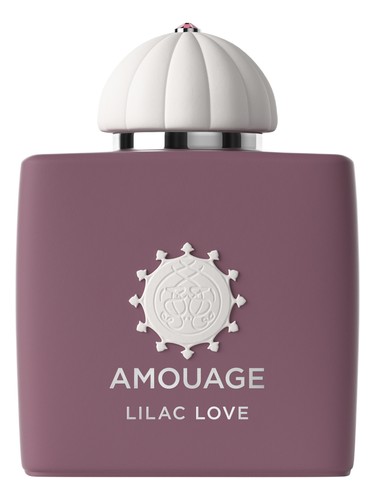
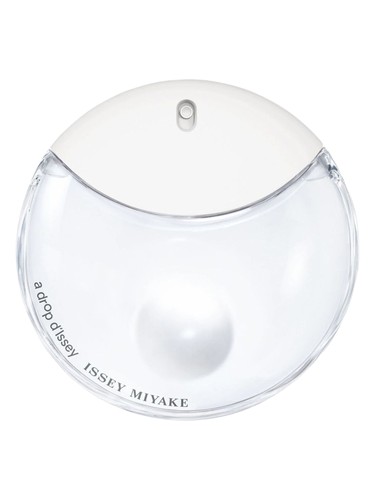
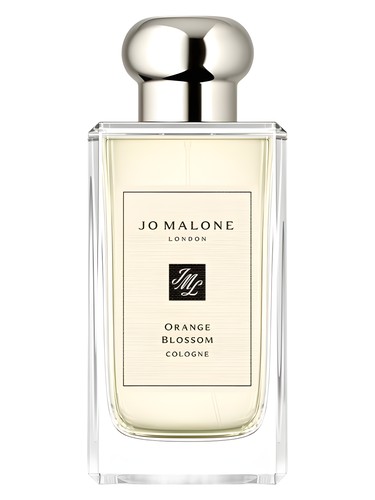
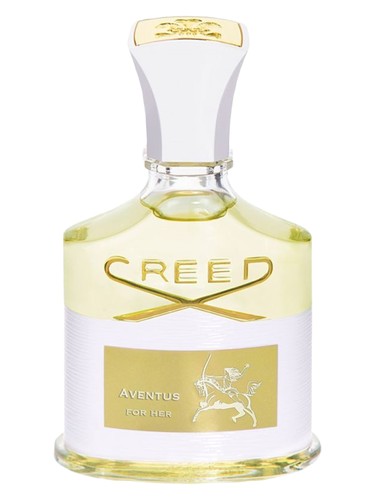
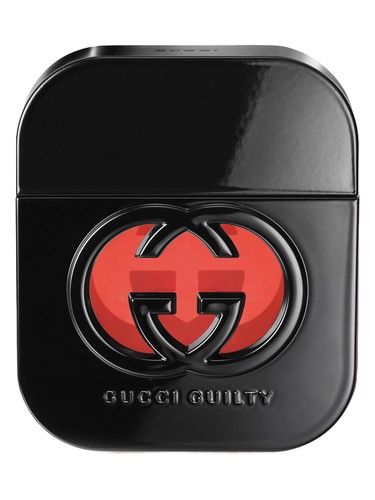
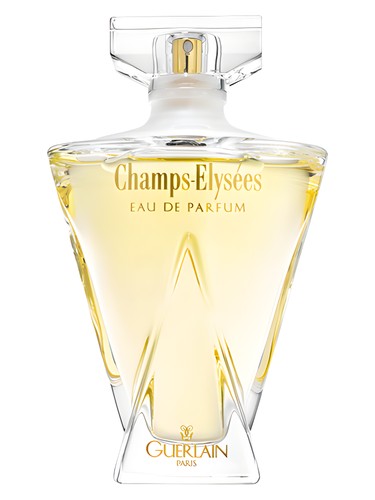
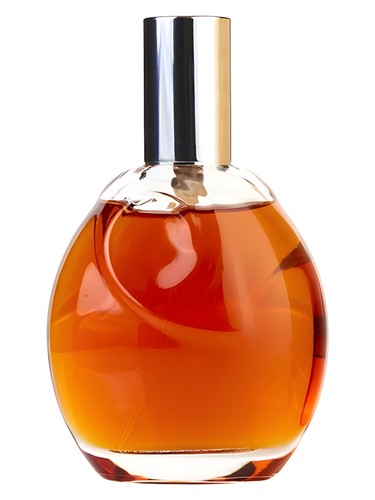
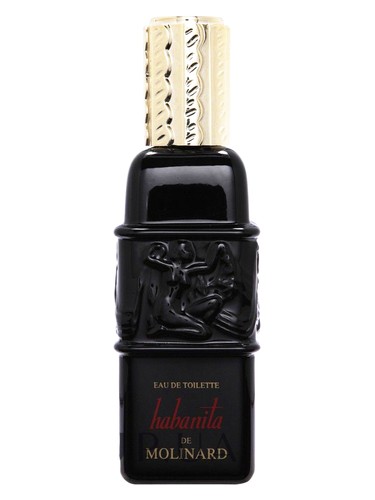
Fragrances that list it in their notes, most-rated first.
Houses that use it most
Ranked by how many of their well-known fragrances list Lilac.