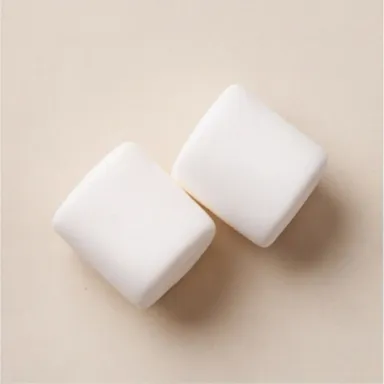
Marshmallow
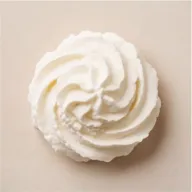
Soft whipped sugar, vanilla and powdery sweetness, like a fluffy marshmallow.
You may know it from a bag of marshmallows
Where it comes from
A perfume-made accord that recreates the smell of the confection.
Worth knowing
It usually suggests the candy, not extract from the marsh-mallow plant.
About marshmallow
The candy gave the note its name, and the candy itself began as a plant. The marsh-mallow, Althaea officinalis, belongs to the mallow family and is native to Europe, Western Asia and North Africa. Its roots could be peeled, sliced, boiled and sweetened into a sweet. In nineteenth-century France confectioners whipped mallow-root sap into pâte de guimauve, and by the late 1800s makers had begun replacing the root with gelatin. In 1956 Alex Doumak patented an extrusion process that ran the ingredients through tubes. One supplier guide, Ca Perfume, says the plant itself offers no extractable scent resembling the confection, so perfumers build the smell from other materials.
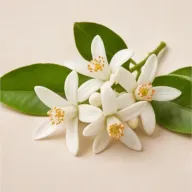
Sources name different materials. Perfume Stars names vanillin and ethyl maltol, with coumarin and benzoin for warmth. Ca Perfume's recipe adds heliotropin for a powdery side and synthetic musks such as Galaxolide. Bon Parfumeur's journal lists orange blossom, vanilla and ethyl maltol. Vanillin or vanilla and ethyl maltol turn up in all three.
Ethyl maltol is the sweet engine. It smells of caramel, jam, strawberry and candyfloss, and it is strong enough that only small amounts are used. It is the ethyl analogue of maltol, which occurs naturally in roasted malt and larch bark, while ethyl maltol itself is synthetic. Ca Perfume says a convincing marshmallow has to read as airy and almost textureless, which means keeping ethyl maltol low and leaning on musks. The same guide describes the accord opening with cotton-candy sweetness, moving to a creamy powdery heart and drying down to soft musk over hours.
Pfizer patented ethyl maltol in 1969, and it was first used in perfumery in Mugler's Angel in 1992. Angel's brief asked for something mouthwatering that evoked childhood funfairs. A supplier reference page lists ethyl maltol as not restricted under the 51st IFRA Amendment.
Accords it shows up in
How many of the fragrances listing Marshmallow in our catalogue also carry each accord. We counted this ourselves.
Often paired with
The notes that appear next to Marshmallow most often in our catalogue.







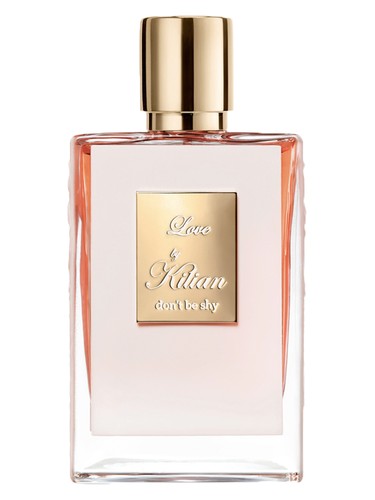
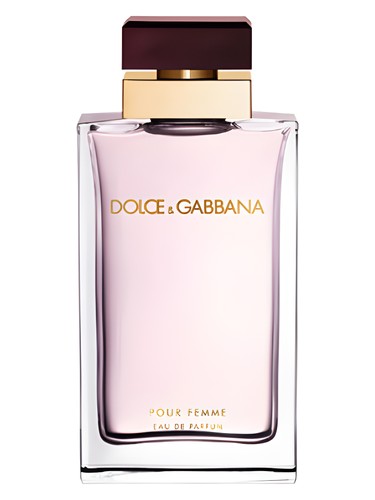
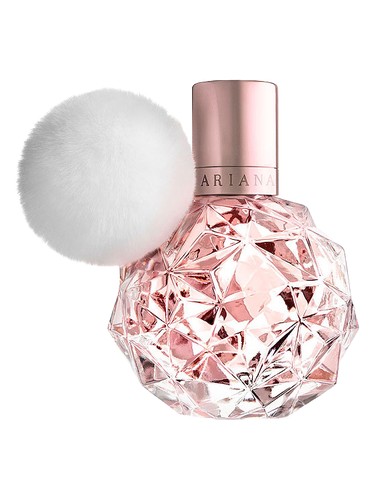
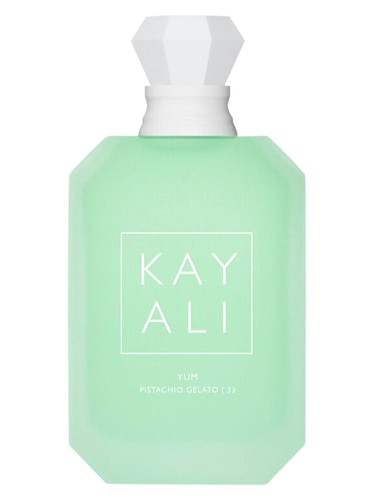
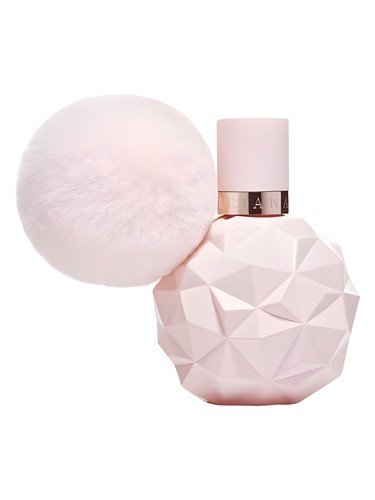
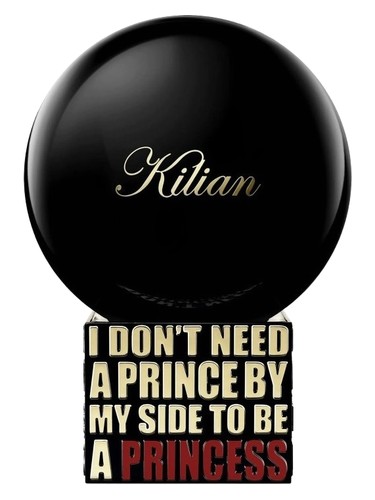
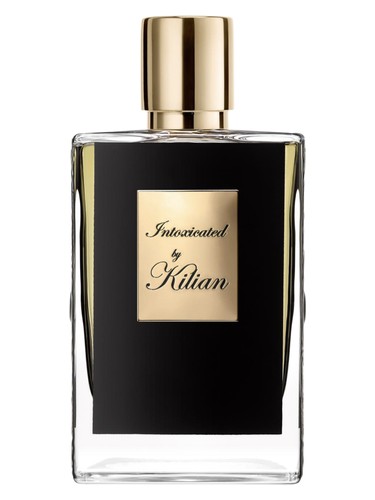
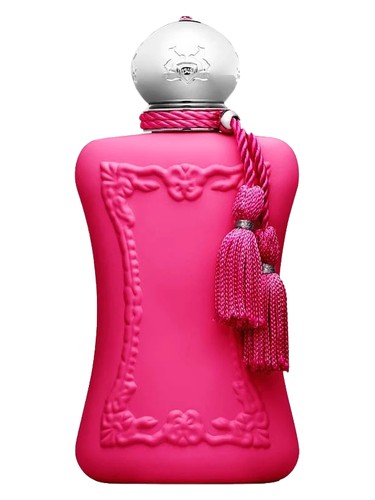
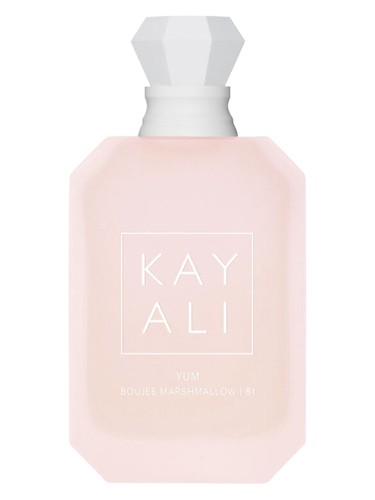
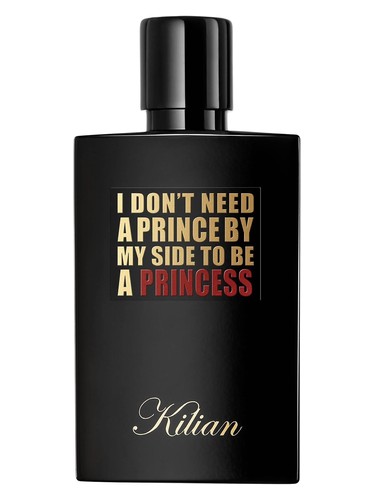
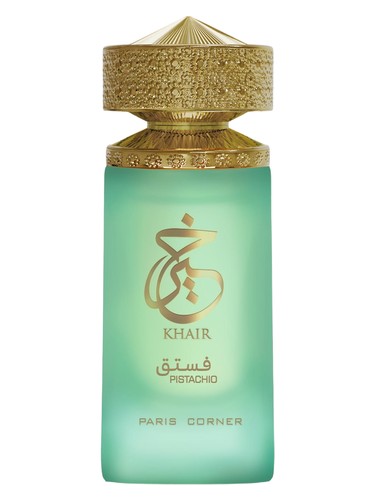
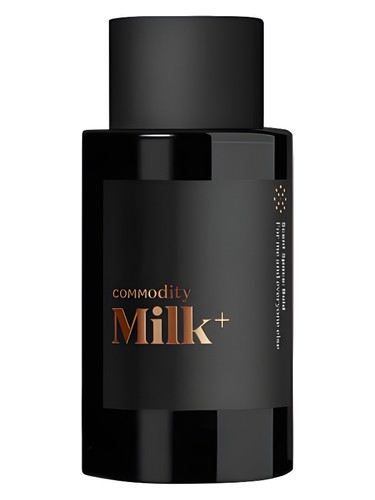
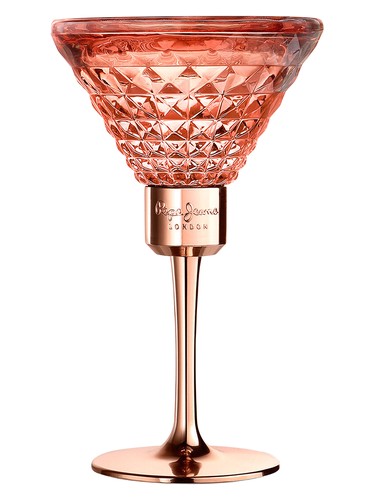
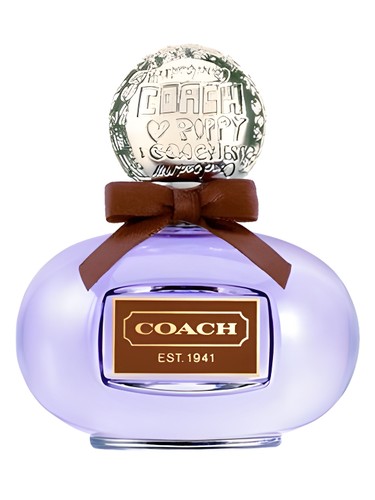
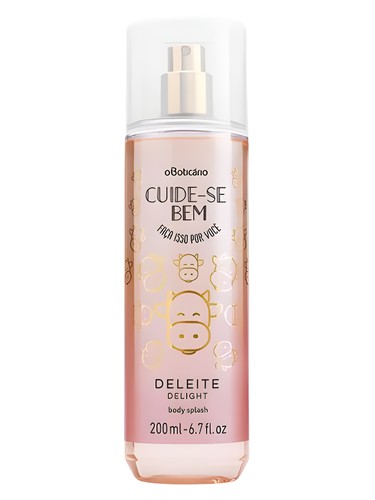
Well-known fragrances with Marshmallow
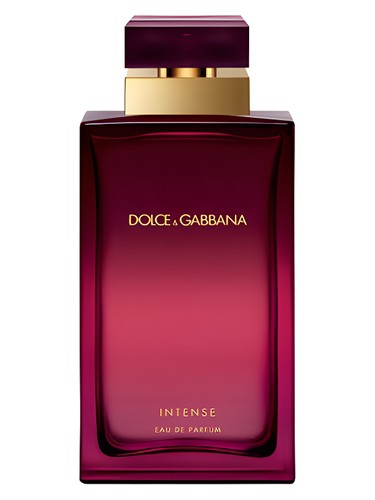
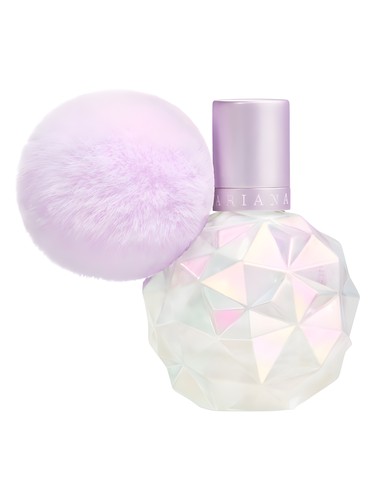
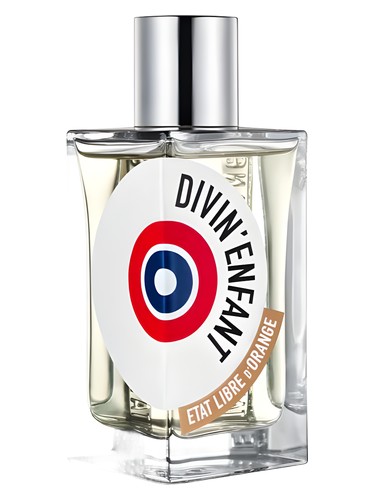
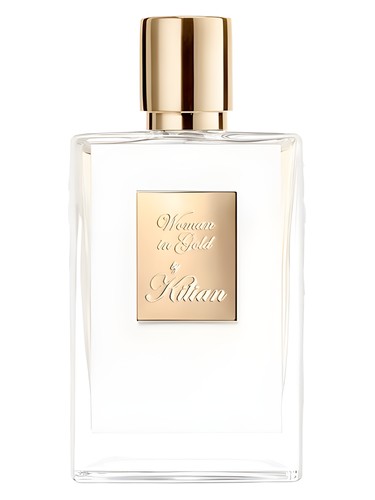
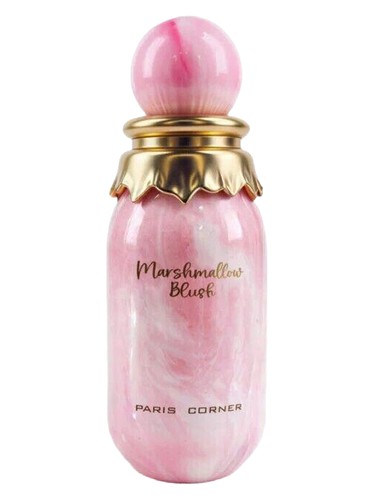
Fragrances that list it in their notes, most-rated first.
Houses that use it most
Ranked by how many of their well-known fragrances list Marshmallow.