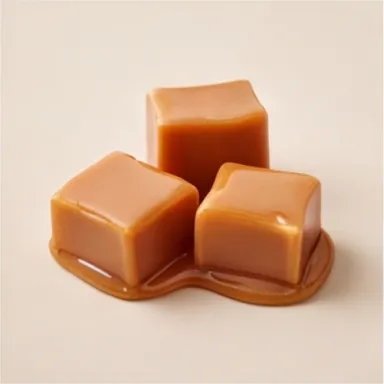
Caramel
Burnt sugar, buttery toffee and warm, sticky dessert sauce.
You may know it from caramel sauce on ice cream
Where it comes from
Built from aroma chemicals rather than using food caramel.
Worth knowing
It suggests caramelized sugar, but usually comes from a reconstructed scent.
About caramel
Heating sugar slowly to around 170 °C makes food caramel, and the smell that rises from the pan comes from volatile fragments of the sugar breaking down. A perfumer's caramel is put together from separate molecules instead, and several of them turn up in plants and foods that have nothing to do with a sugar pan.
Maltol is the plainest of these. It is described as having the odour of caramel, it occurs in larch bark and pine needles, and it forms when malt is roasted or bread is baked. One fragrance supplier calls its aroma pineapple-strawberry with a toasted-sugar nuance, and says it goes into gourmands and also sweetens rose and pine-needle accords. Ethyl maltol has an ethyl group where maltol has a methyl. Sources put it at four to six times stronger, and the listed odours lean fruitier: jammy, strawberry, cotton candy. The same supplier gives a use level of 0.05 to 0.3% in gourmand, fruity and vanilla-based fragrances, where it bridges fruity and vanillic materials.
Dose changes what a molecule smells like. Furaneol is a sweet strawberry when dilute and caramel-like at high concentration, and it occurs in strawberries and pineapple. Cyclotene, which The Good Scents Company describes as caramel maple syrup, is a product of sugar degradation.
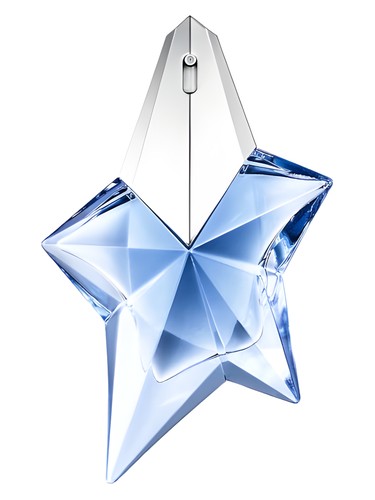
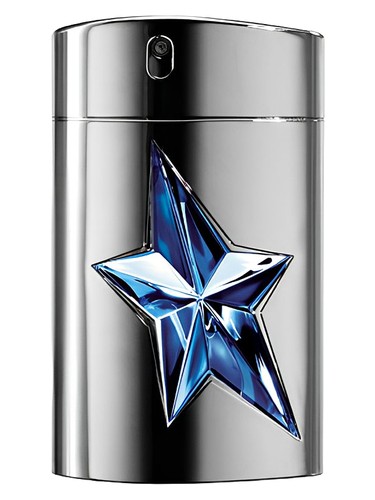
Angel by Mugler is the perfume most often tied to this note. The Perfume Society quotes Olivier Cresp recalling the brief as the caramel scent of sugared apples, candy floss and the funfair. Cafleurebon says he used ethyl maltol inside an unusual amber accord, with an overdose of patchouli. Angel is widely called the first modern gourmand perfume, although the same Perfume Society issue credits Shalimar with pioneering sweet elements through ethylvanillin.
On the regulatory side, a supplier lists ethyl maltol as not restricted under IFRA standards and as FEMA GRAS 3487. In the EU it is the food additive E 637.
Accords it shows up in
How many of the fragrances listing Caramel in our catalogue also carry each accord. We counted this ourselves.
Often paired with
The notes that appear next to Caramel most often in our catalogue.











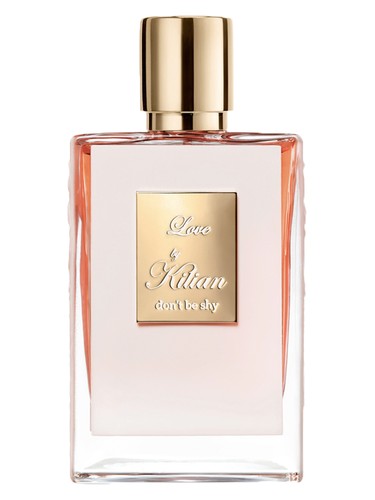
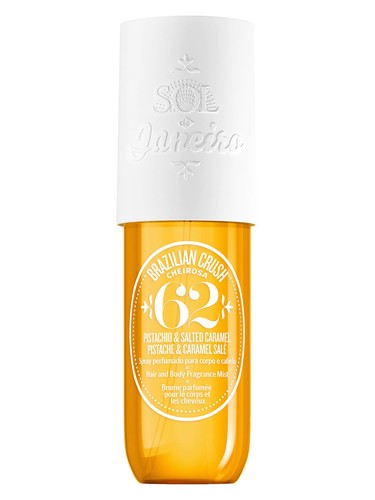
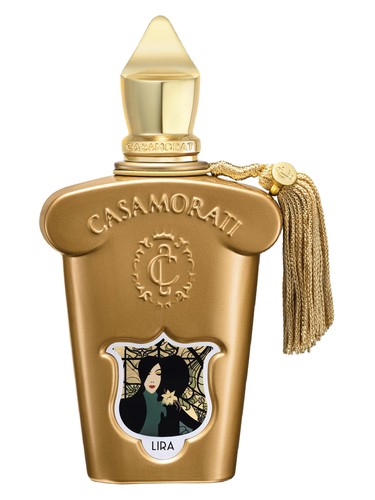
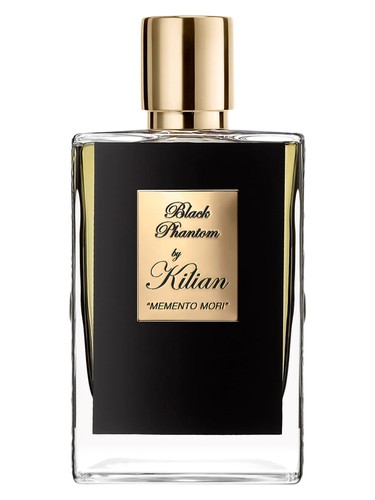
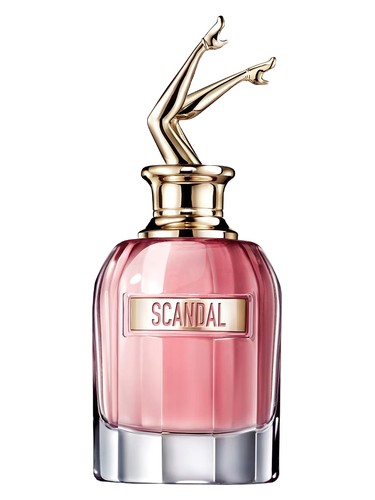
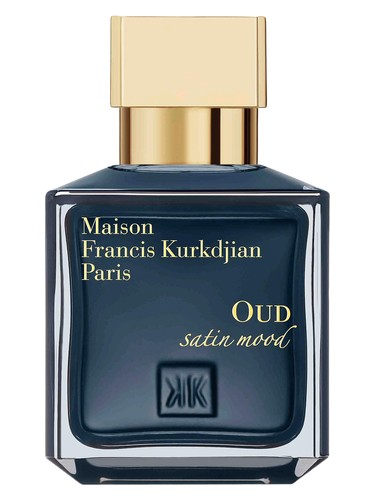
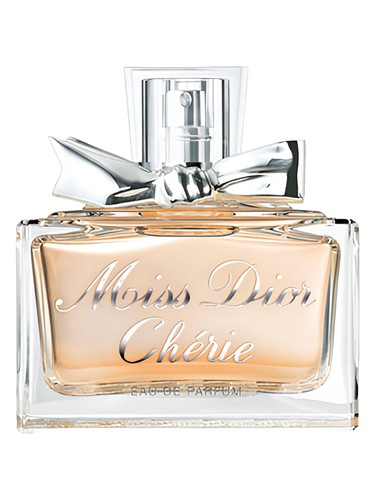
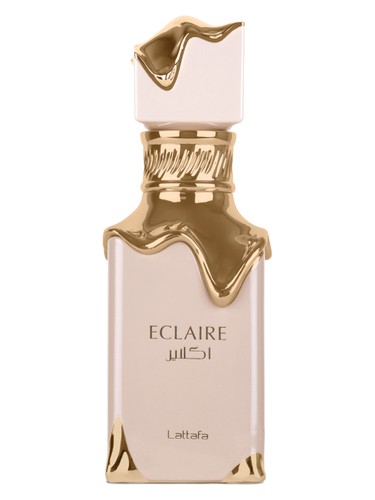
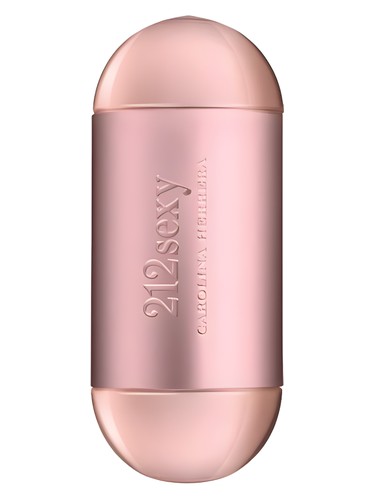
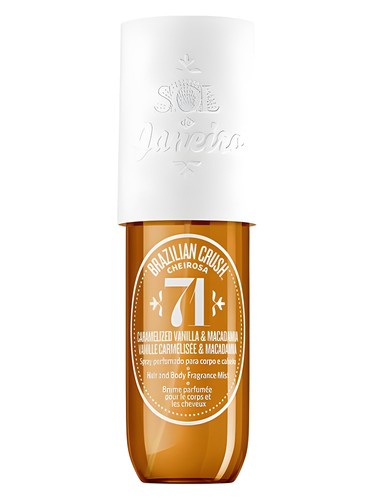
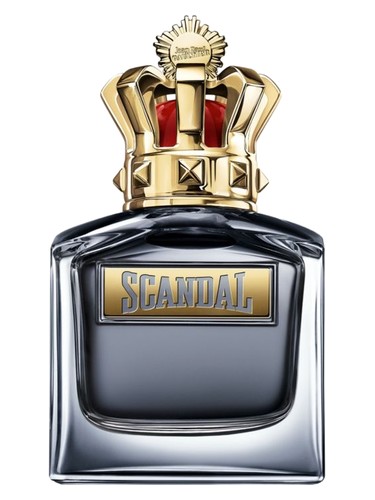
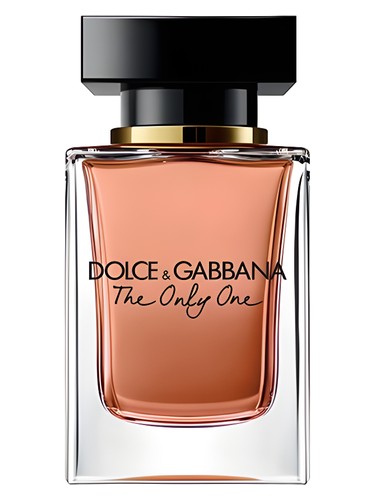
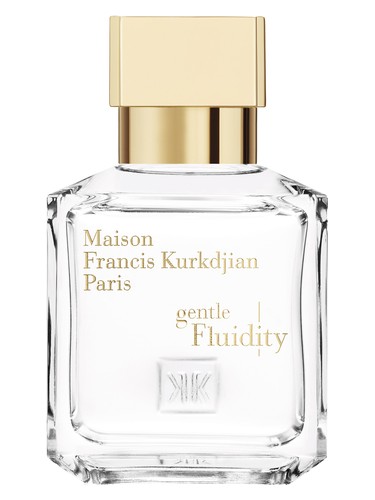
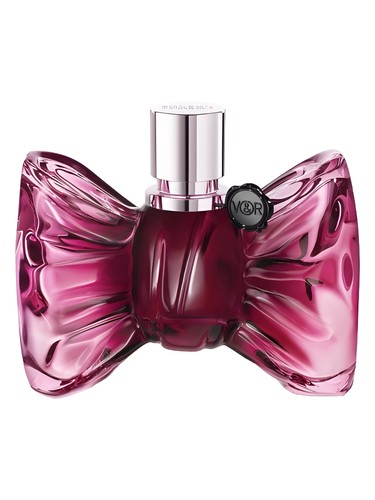
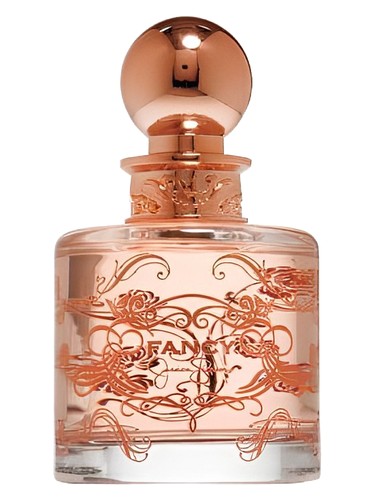
Well-known fragrances with Caramel
Fragrances that list it in their notes, most-rated first.
Houses that use it most
Ranked by how many of their well-known fragrances list Caramel.