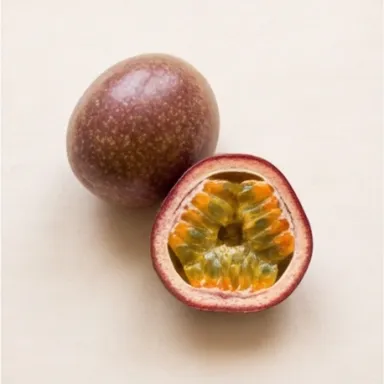
Passionfruit
Tangy tropical fruit juice, sweet and juicy with a bright, slightly green tartness.
You may know it from Fresh passionfruit juice
Where it comes from
Usually built from aroma chemicals to recreate the fruit's scent.
Botanical name: Passiflora edulis
Worth knowing
Real passionfruit is edible, but its perfume scent is usually reconstructed.
About passionfruit
The fruit behind the name is Passiflora edulis, a round to oval berry that turns yellow or dark purple when ripe and holds numerous seeds in juicy pulp. The plant comes from southern Brazil, Paraguay and northern Argentina. Two forms are grown, the purple-fruited one and the bright yellow flavicarpa variety, and the yellow fruit is much heavier, at about 80 g against about 35 g. The juice tastes slightly acidic and musky. Brazil leads production by volume, with 593,429 tons in 2020, followed by Colombia and Peru.
What gives the fruit its voice is sulfur. The aroma depends on volatile thiols, particularly 3-mercaptohexan-1-ol and 3-mercaptohexyl acetate, backed by esters such as ethyl butanoate. One perfumery glossary describes the smell of such a material, smelled neat, as a bright, acidic tropical burst with a catty-sulfurous edge. The sulfur fades with time, sweetness rounds out, and after days little fruit identity remains. The same glossary argues that without that edge you lose the identity of the fruit entirely.
Nobody extracts it. The glossary states that no commercially viable natural passionfruit extract exists for perfumery, and that the thiols are too reactive and unstable to capture. So the note is assembled. The glossary lists fruit esters, butyric acid derivatives, traces of sulfur compounds and green-terpenic modifiers. Good Scents files many thiol and ester materials under the passion fruit descriptor, among them mercaptohexyl acetate and mercaptohexyl butyrate.
One named ingredient is Oxane, or cis-2-methyl-4-propyl-1,3-oxathiane, a sulfur ring molecule from Firmenich that also occurs in the fruit. A supplier describes it as extremely powerful, with a tropical green passion fruit note and a grapefruit-like tartness. The glossary gives the related tropathiane an odor threshold of just 3 parts per billion. Firmenich also sells a ready-blended passion fruit specialty built from several ingredients, which it places in the direction of kiwi, mango, peach and lactonic citrus.
Accords it shows up in
How many of the fragrances listing Passionfruit in our catalogue also carry each accord. We counted this ourselves.
Often paired with
The notes that appear next to Passionfruit most often in our catalogue.









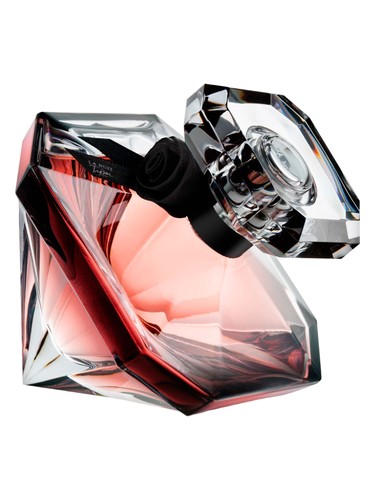
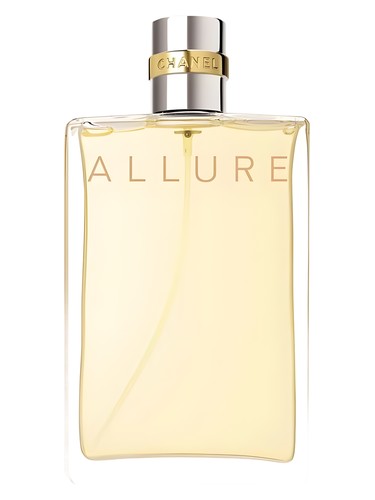
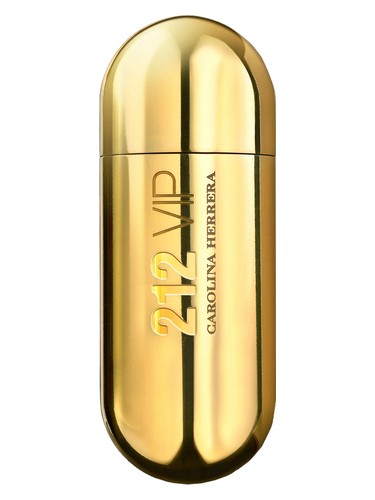
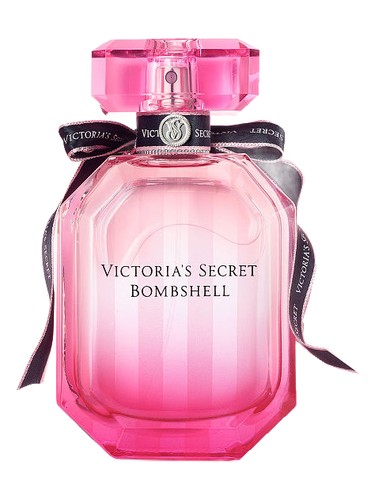
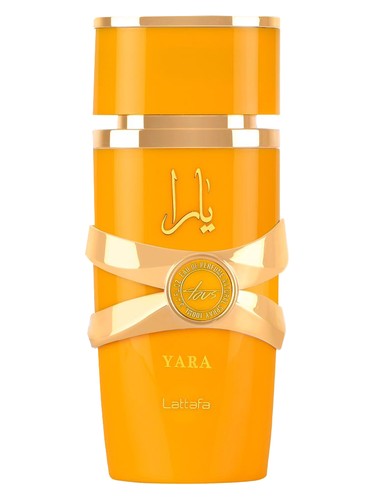
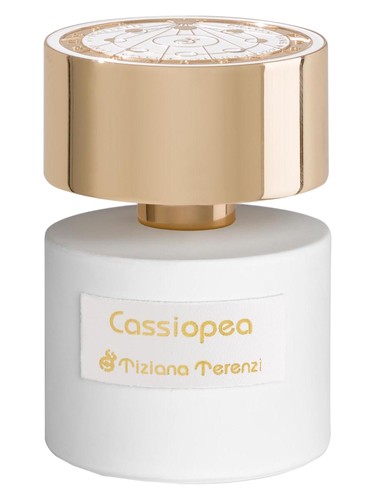
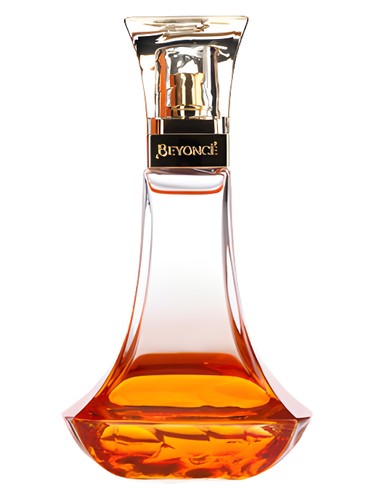
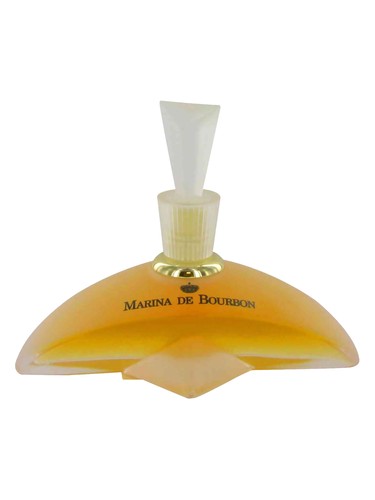
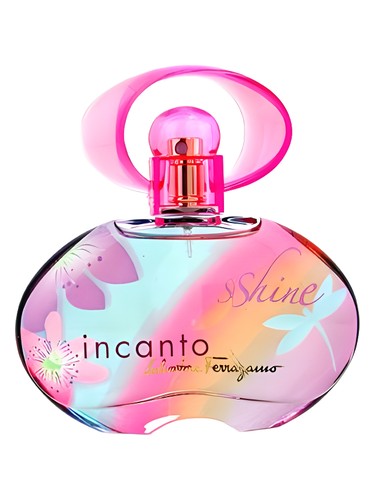
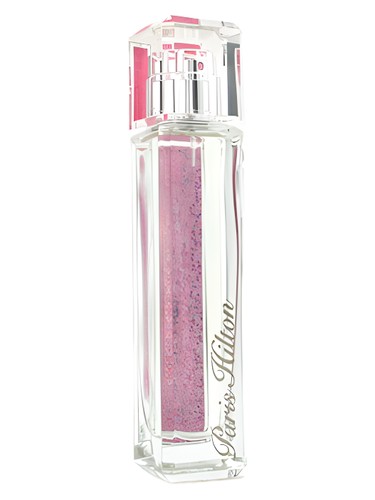
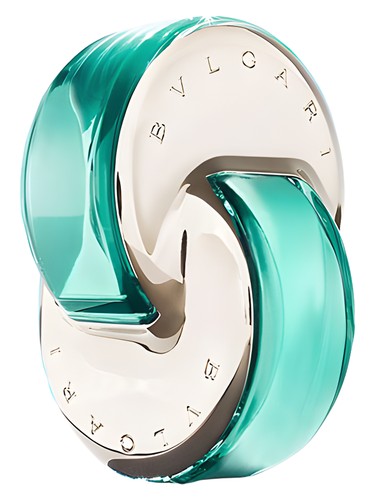
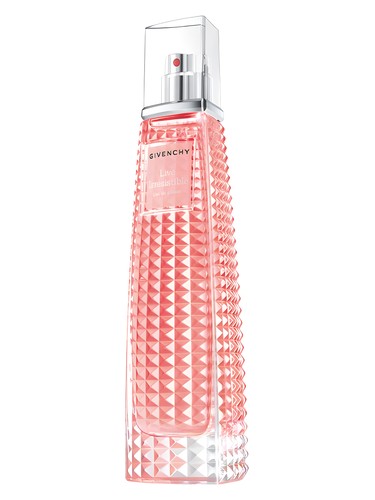
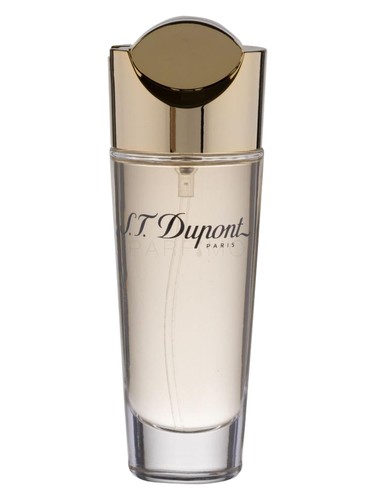
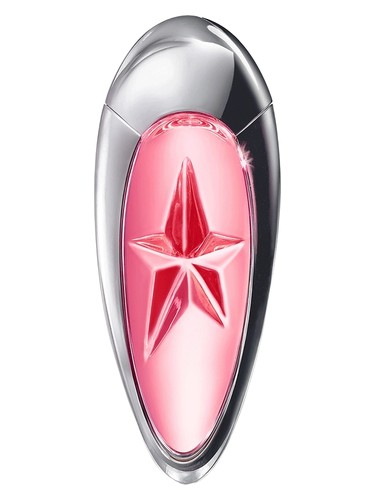
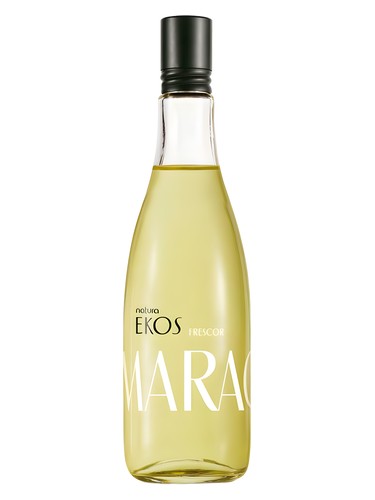
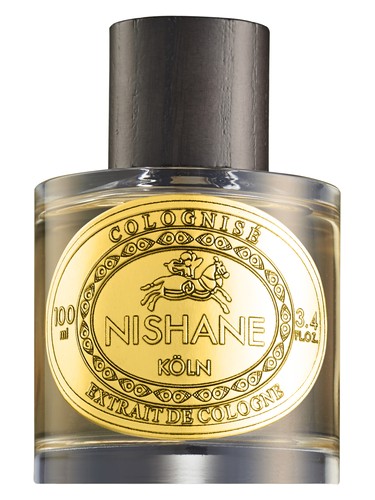
Well-known fragrances with Passionfruit
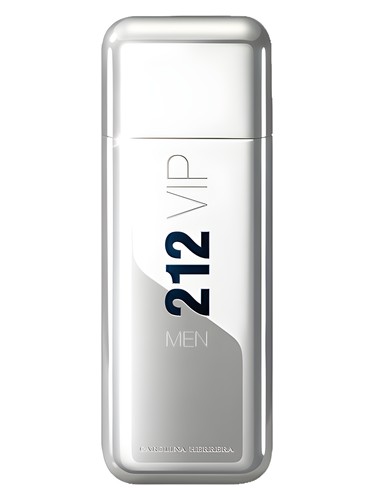
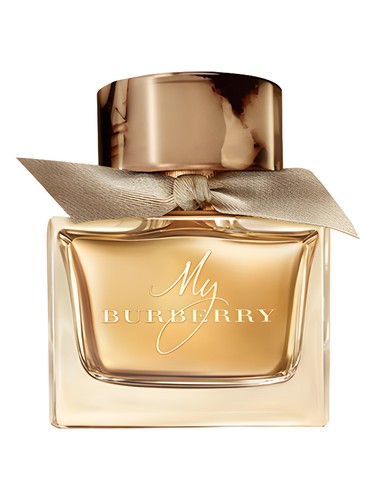
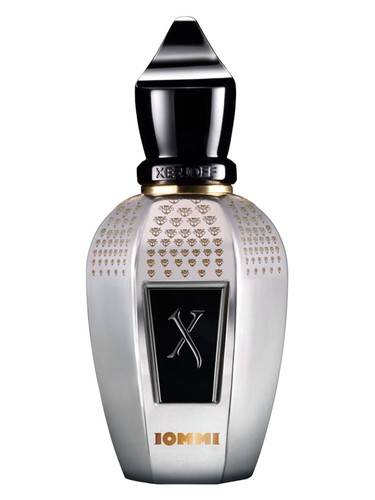
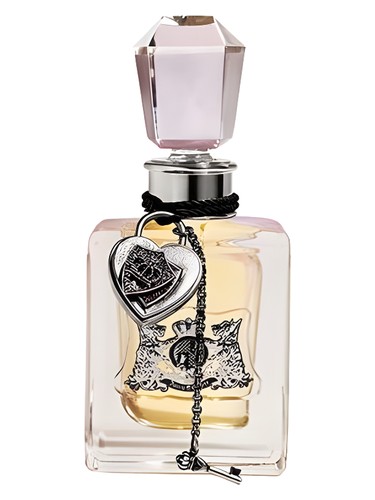
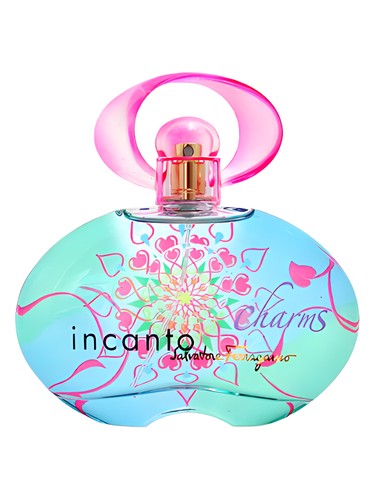
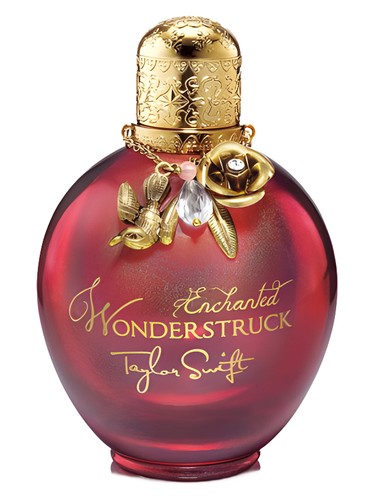
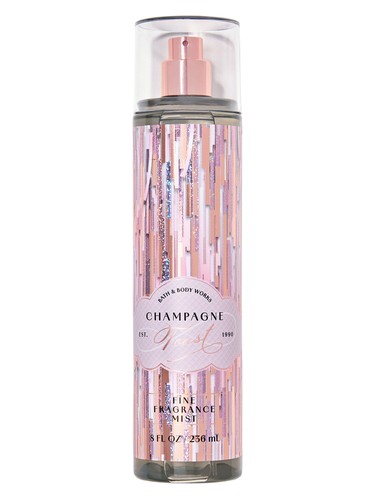
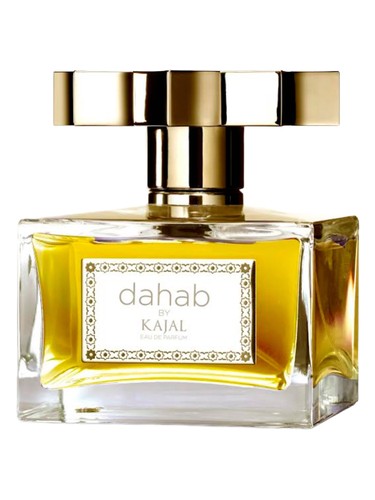
Fragrances that list it in their notes, most-rated first.
Houses that use it most
Ranked by how many of their well-known fragrances list Passionfruit.