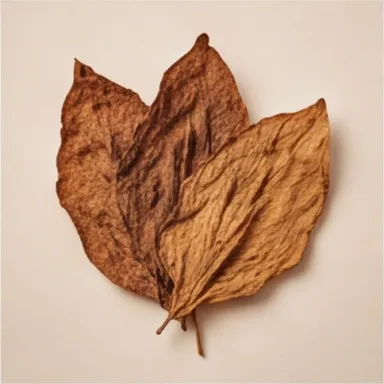
Tobacco
Dry cured leaves, warm smoke, honeyed sweetness, and a slightly bitter, earthy edge.
You may know it from a freshly opened pack of cigarettes or pipe tobacco
Where it comes from
Made from cured tobacco leaf extracts and synthetic aroma materials.
Worth knowing
It can smell sweet and leafy rather than like cigarette smoke.
About tobacco
Tobacco absolute starts from residues of Nicotiana tabacum leaves, extracted with hexane or petroleum ether into a concrete, which is then washed with ethanol to give the absolute. What comes out is dark and viscous, and the Good Scents Company calls it a red-brown liquid to paste.
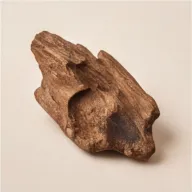
Straight from the drum it is hard to like. One supplier describes a strong, almost repulsive odor, only faintly reminiscent of cigar tobacco, so it needs dilution before it reads as tobacco at all. The Good Scents Company lists sweet, hay, moss, leafy, old wood, dried fruit, tea and honey. A supplier glossary names beta-damascenone for rose-like dried fruit and megastigmatrienone for the warm, hay-spicy tobacco character. Scentspiracy calls it a heavy base note with extreme tenacity, with facets of molasses, damp earth and smoky wood.
Nicotine is the awkward part. Tobacco leaves contain 2 to 8% of it, and sources disagree about how much stays in the absolute: Scentspiracy says about 9% unless treated, while a supplier glossary says perfumery grade is denicotinized to below 800 ppm. The EU Cosmetics Regulation lists nicotine and its salts among prohibited substances. IFRA data differ as well. ScenTree and the glossary report the absolute as not restricted in the 51st Amendment, and the Good Scents Company still lists an older limit of 1.0%.
Some perfumers leave the absolute out. Olfastory says coumarin or tonka bean can recreate the same facets without nicotine, and one technical guide calls coumarin the fundamental tobacco aromachemical, supported by beta-ionone, hay absolute, labdanum, benzoin and immortelle. Coumarin was first found in tonka beans, smells sweet and vanilla-like, and serves as a flavorant in the tobacco industry. One guide cites an IFRA limit of 1.5% for it in fine fragrance.
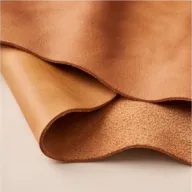
A tobacco name on the bottle does not settle what is inside. A Cafleurebon critic traces the effect of Caron's Tabac Blond to leather, from isobutyl quinolines in a Mousse de Saxe base, plus vetiver, oakmoss and patchouli. A supplier glossary, by contrast, calls the same perfume the first prominent fine-perfumery use of tobacco absolute.
Accords it shows up in
How many of the fragrances listing Tobacco in our catalogue also carry each accord. We counted this ourselves.
Often paired with
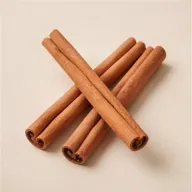
The notes that appear next to Tobacco most often in our catalogue.









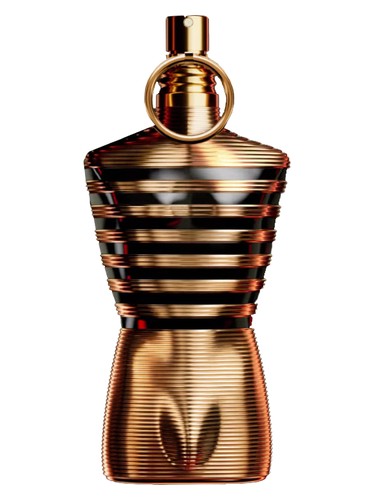
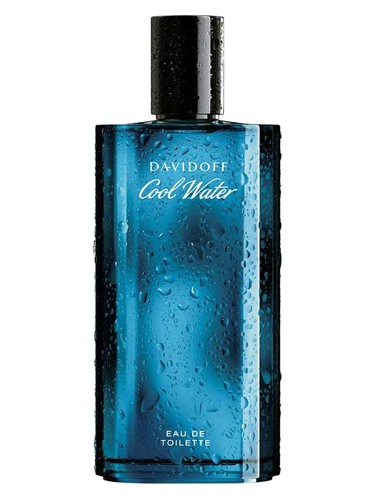
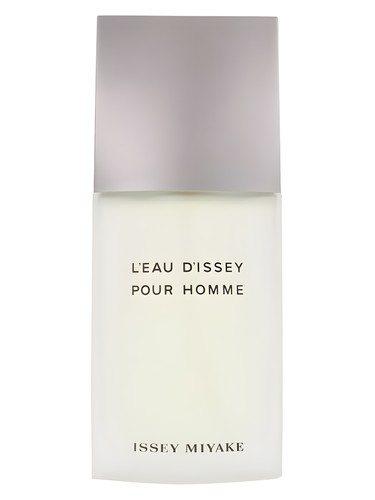
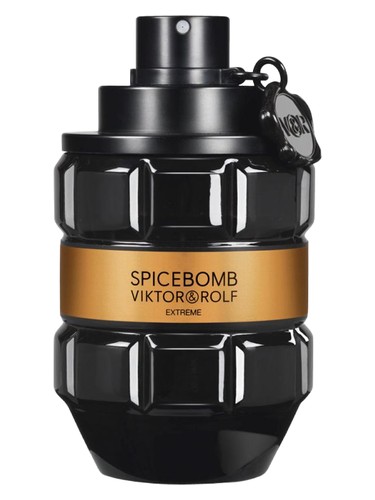
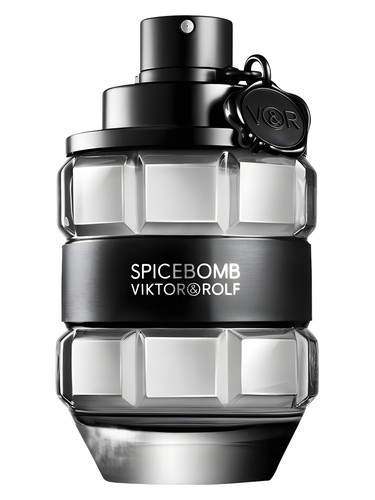
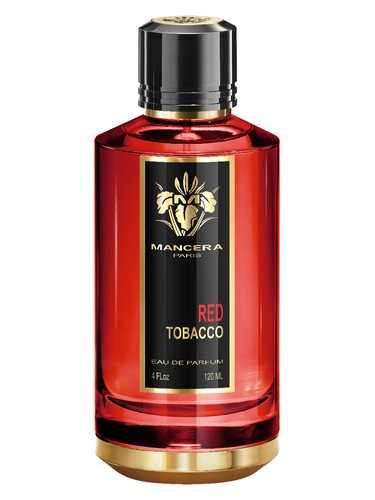
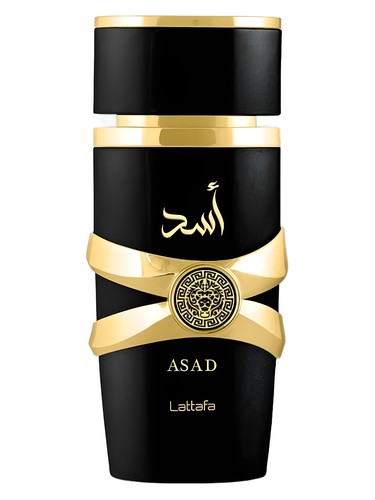
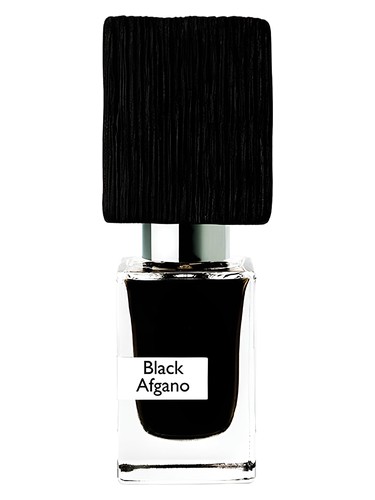
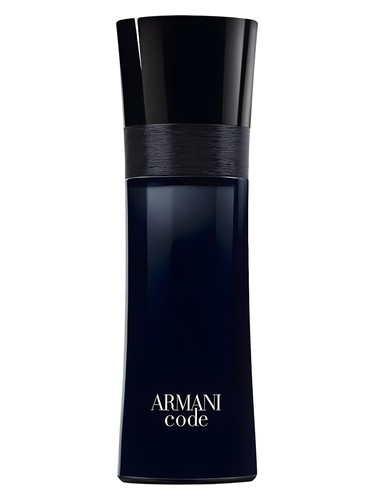
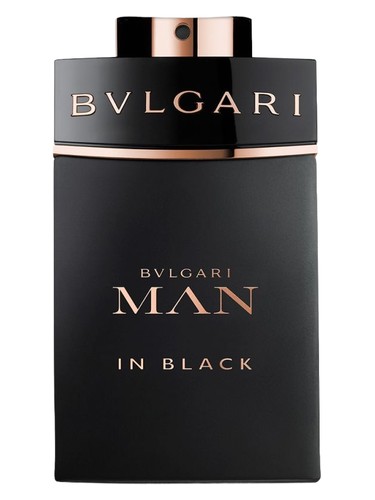
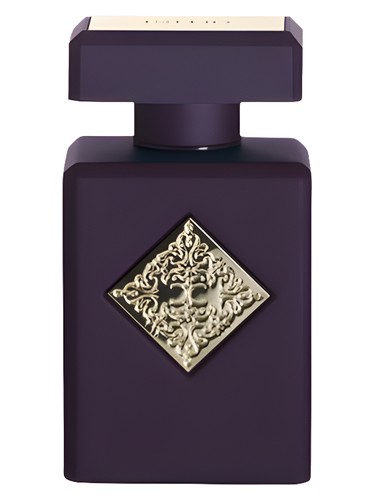
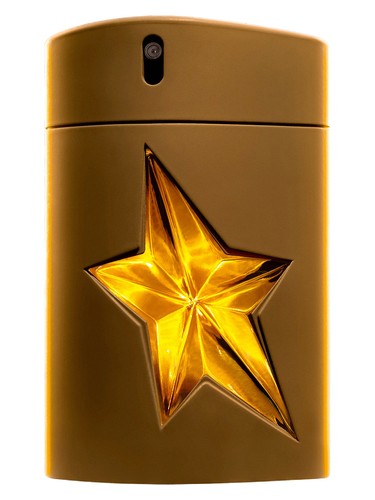
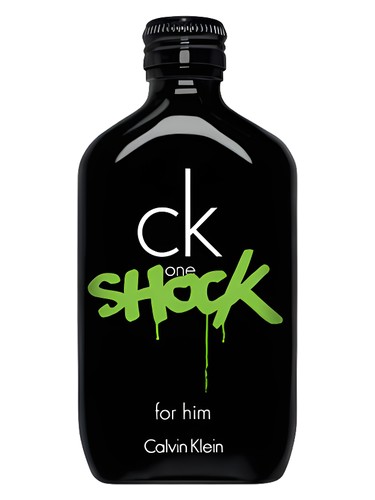
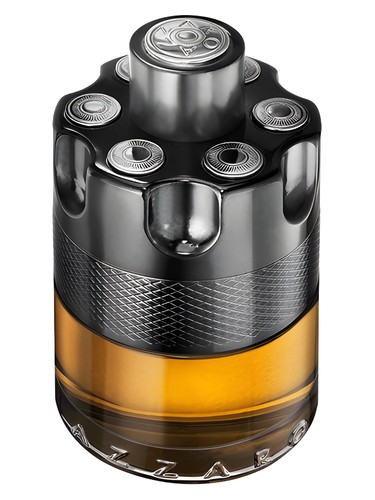
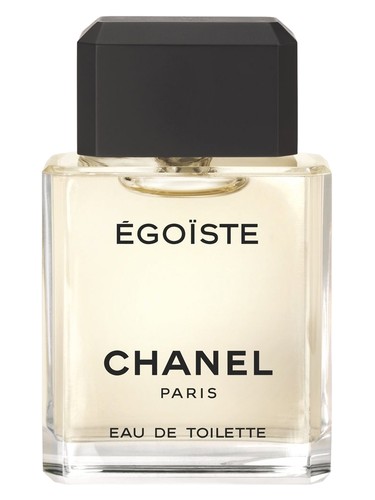
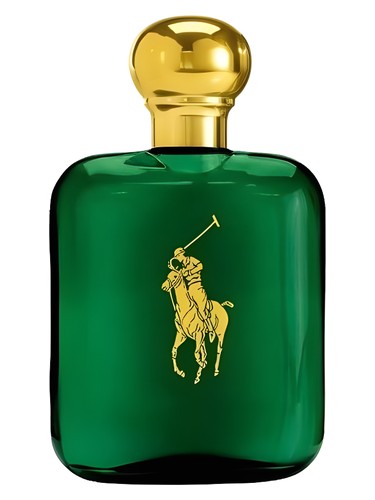
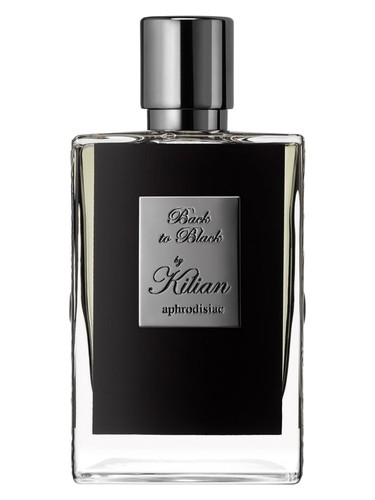
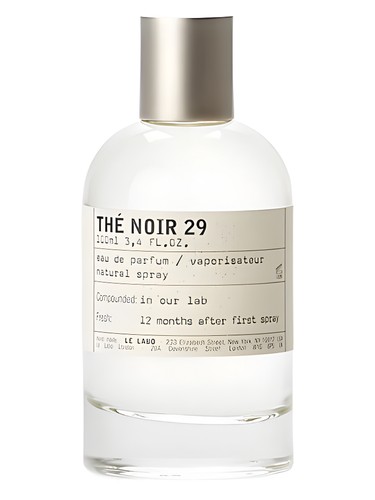
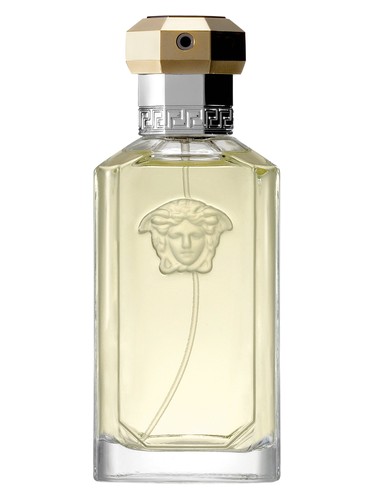
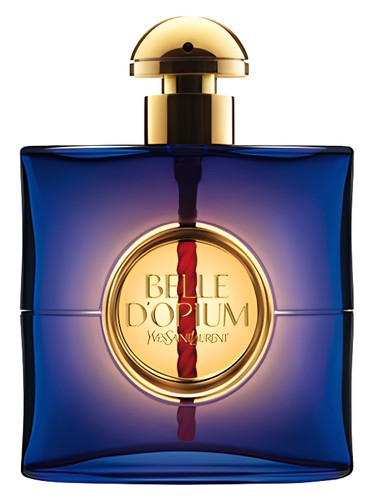
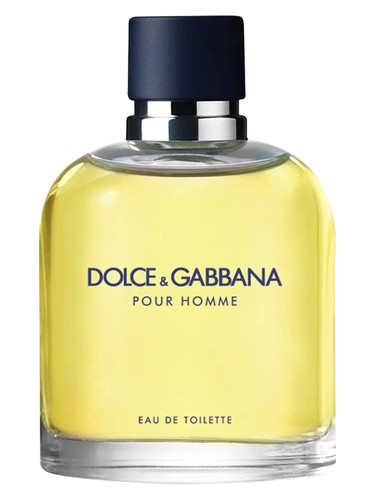
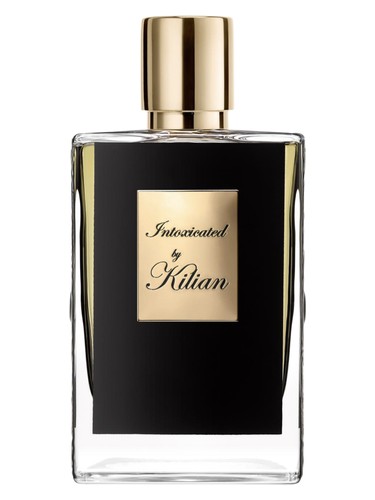
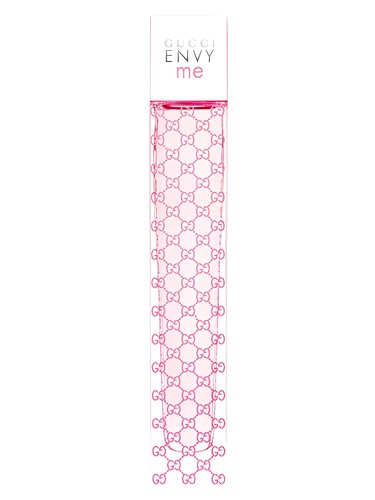
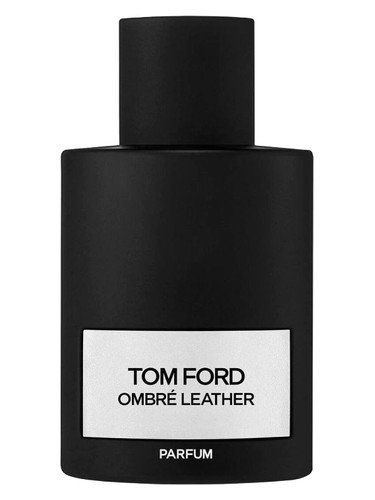
Well-known fragrances with Tobacco
Fragrances that list it in their notes, most-rated first.
Houses that use it most
Ranked by how many of their well-known fragrances list Tobacco.