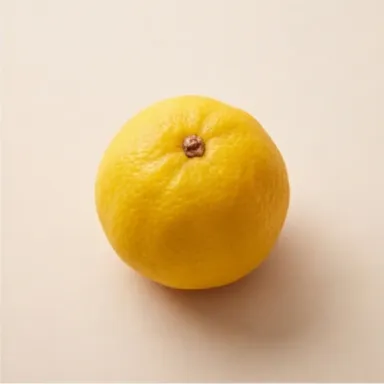
Yuzu
Tart, bitter citrus peel with a bright, zesty freshness and a faint floral edge.
You may know it from Fresh yuzu peel or Japanese yuzu juice
Where it comes from
Made from yuzu peel oil or recreated with citrus aroma materials.
Botanical name: Citrus ×junos
About yuzu
Yuzu, Citrus junos, is of Chinese origin and believed to be an F1 hybrid of the mangshanyeju mandarin and the ichang papeda. The fruit resembles a yellow clementine with uneven skin, and it can be yellow or green depending on ripeness. Plenty of people assume it is a lemon or a lemon-lime. Perfumers describe the scent as mandarin-led, with accents of lemon and grapefruit, green notes and a floral facet.
Among citrus trees it is unusually frost-hardy, which lets it grow in cooler places than lemon. It grows slowly and generally needs about ten years to fruit unless it is grafted onto a rootstock. In Japan the biggest producer is the Chugei area of Kochi, in the villages of Umaji and Kitagawa, which took up yuzu as another source of income after forestry declined. More recent plantings have appeared in New Zealand, Australia, Spain, Italy and France.
Long before perfume, halved yuzu floated in the bath at Japanese ryokans and onsen. One perfume house's account describes five or six halved fruits on the water. In fine perfumery the material is newer. Olfastory calls it a recent arrival and cites Caron's Yuzu Man as that house's first citrus fragrance, and Kenzo's Eau de Fleur de Yuzu as a scent that uses it in the heart. Being volatile, it mostly works as a top note.
Supply is thin. Delacourte puts a single fruit at about 6 euros in Japan and says Japanese production could not sustain a major international launch, so certain brands can only use a reproduction. Reproductions have been tried in the lab. In one study, researchers had a perfumer recreate natural yuzu oils from compounds sold as fragrance materials, after GC/MS analysis of the real thing.
One supplier's glossary points to yuzunone, a trace compound first reported in 2009, which it says has not been found in any other commercially traded citrus species and adds a green-balsamic facet.
Accords it shows up in
How many of the fragrances listing Yuzu in our catalogue also carry each accord. We counted this ourselves.
Often paired with
The notes that appear next to Yuzu most often in our catalogue.












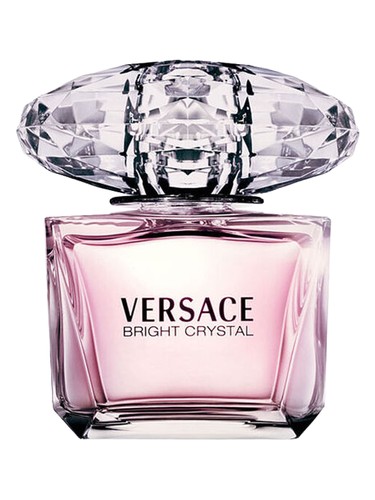
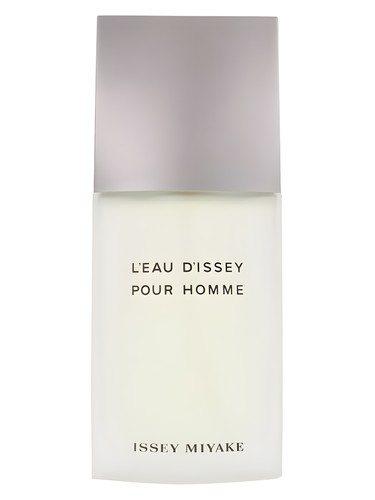
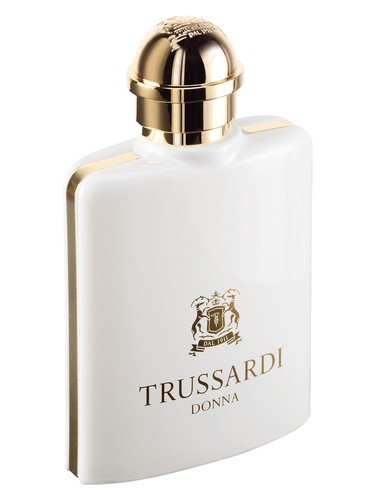
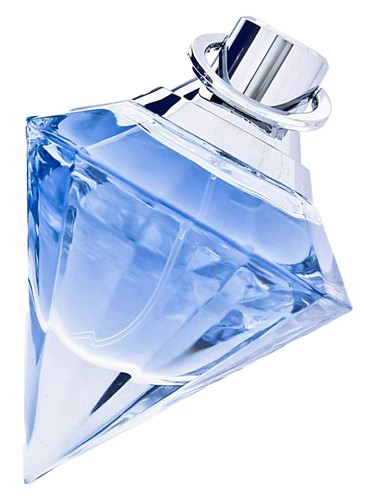
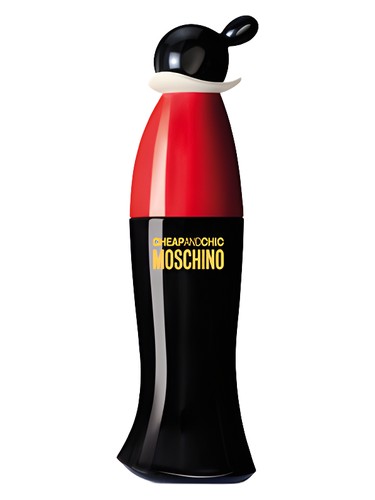
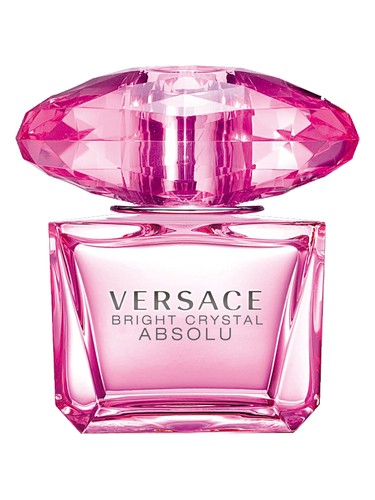
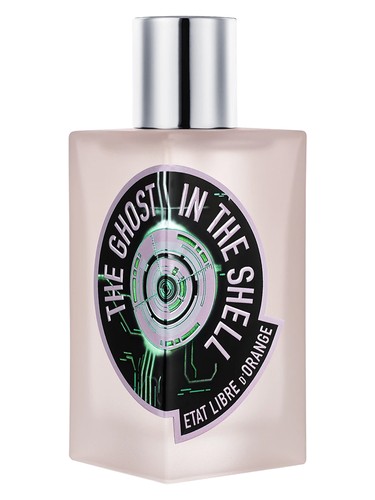
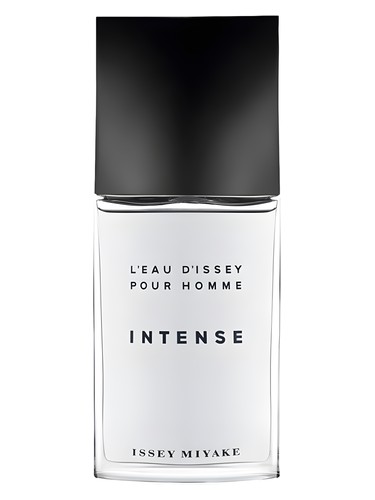
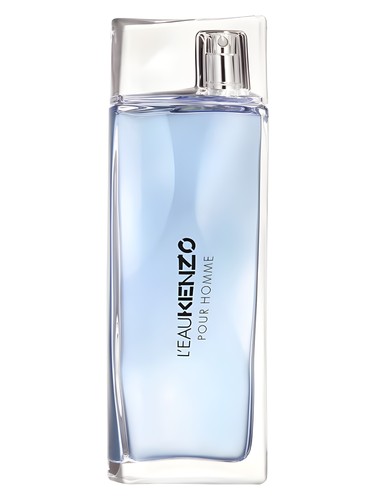
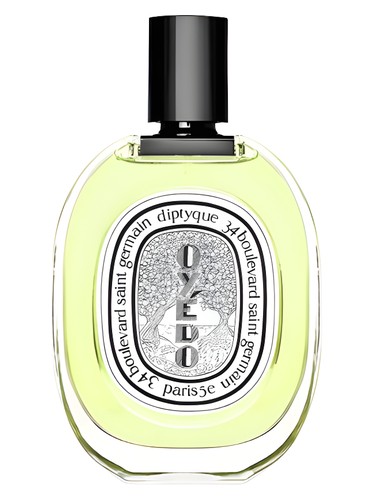
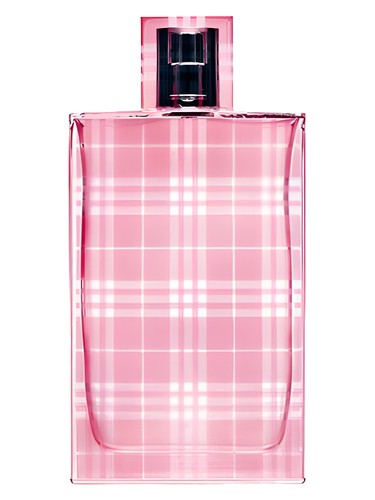
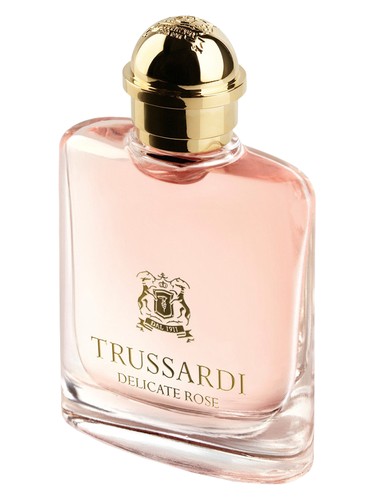
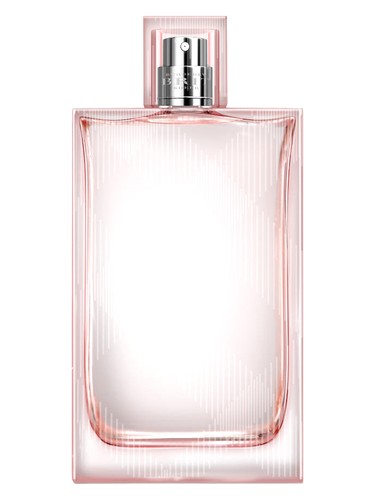
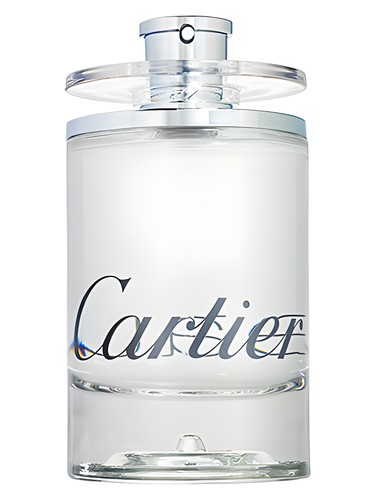
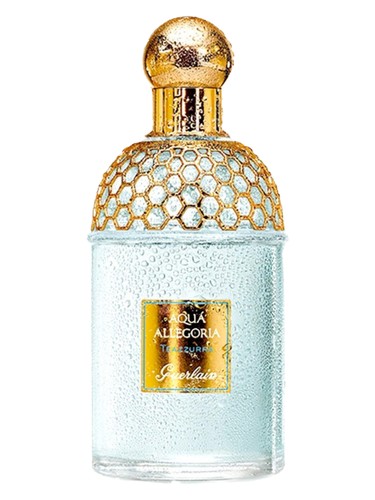
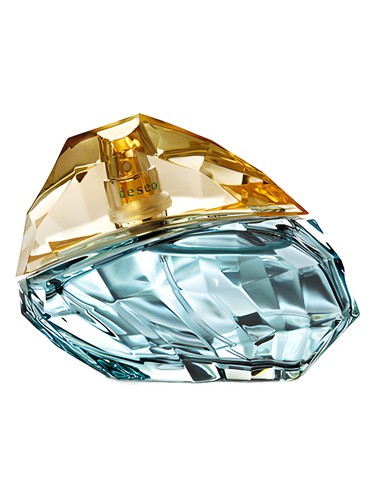
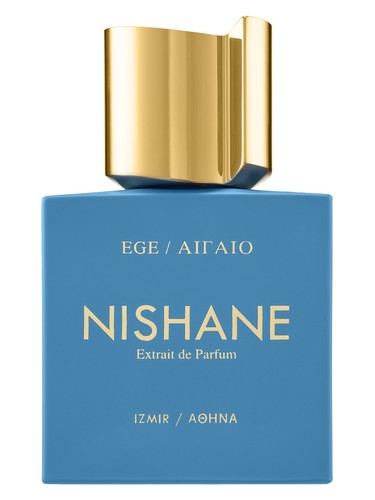
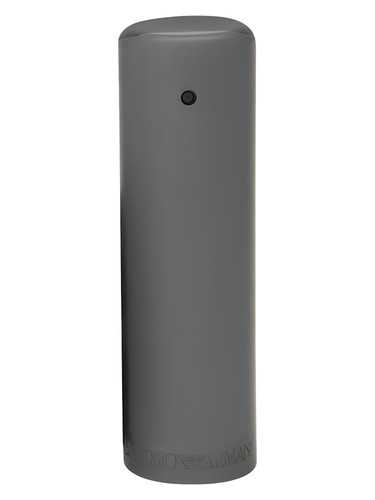
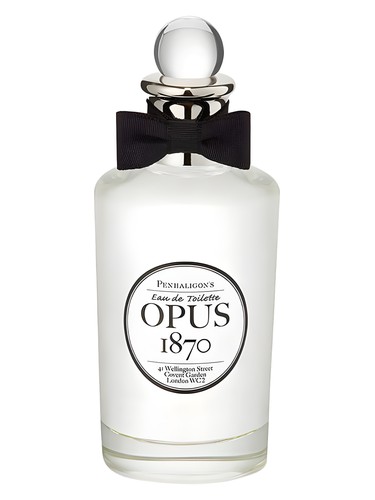
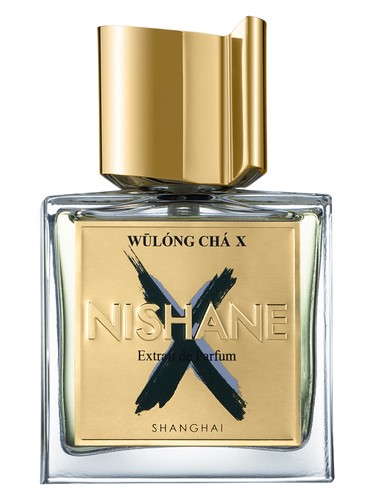
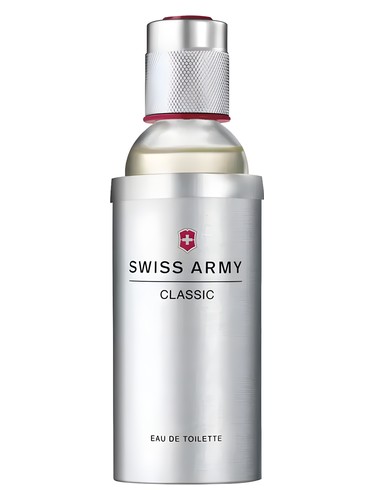
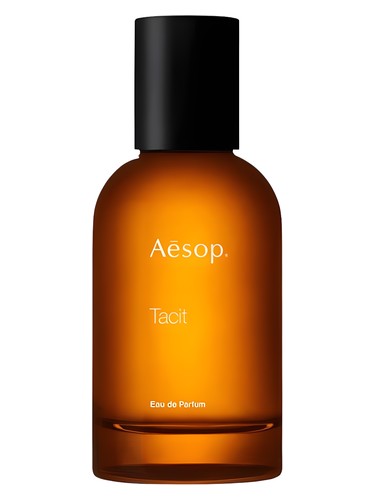
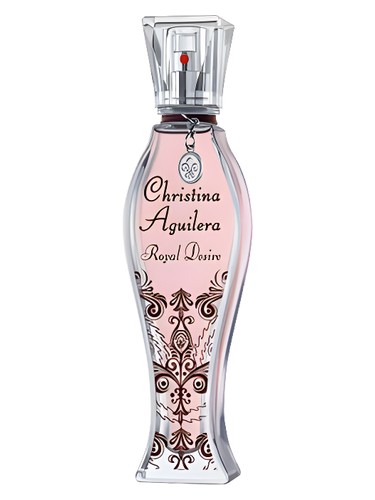
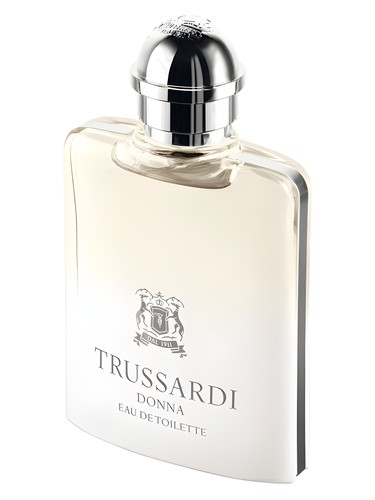
Well-known fragrances with Yuzu
Fragrances that list it in their notes, most-rated first.
Houses that use it most
Ranked by how many of their well-known fragrances list Yuzu.