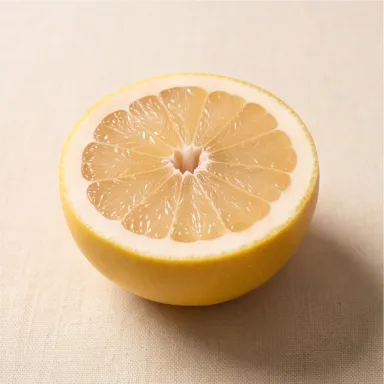
Grapefruit
Sharp, juicy citrus peel with a tart, bitter freshness and a faint sulfurous edge.
You may know it from Freshly peeled grapefruit
Where it comes from
Pressed from grapefruit peel or recreated with aroma chemicals.
Botanical name: Citrus paradisi
Worth knowing
It smells more bitter and peel-like than sweet grapefruit juice.
IFRA rules
IFRA restricts Grapefruit oil expressed to 4% in fine fragrance, citing phototoxicity.
From the IFRA Standards, 51st Amendment. A perfume that lists this note may use a synthetic version the Standard does not cover.
About grapefruit
Grapefruit began as an accident. It is a hybrid of sweet orange and pomelo that appeared in Barbados in the 18th century, from two species brought to the Caribbean from Asia a century earlier. Perfumery uses the peel oil, and cold pressing is preferred because citrus oils are sensitive to heat. Centrifuges then separate the oil from the water emulsion.
The sulfurous side comes from 1-p-menthene-8-thiol, known as grapefruit mercaptan, which was identified in grapefruit juice in 1982 by Demole, Enggist and Ohloff, who extracted 100 litres of juice to find it. Its detection threshold is among the lowest ever recorded. Only the R form gives the pleasant grapefruit aroma, while the mixed form is described as sulfurous. The molecule is used in perfumery and flavours, yet makers look for alternatives because its decomposition products smell bad. One supplier says methyl pamplemousse, a synthetic acetal for a bitter, rind-like note, was developed to get around the natural oil's phototoxicity and its instability when it oxidises.
Nootkatone is described as the most valuable aroma compound of grapefruit, and it was first isolated from Alaska yellow cedar wood. A supplier calls it very strong on grapefruit peel, with woody-vetiver depth and unusual staying power for a citrus material, carrying from the top into the heart. The fruit itself is described as more bitter than orange and less acidic than lemon, with somewhat longer tenacity than most citrus. According to one trade guide, white varieties are sharper and more bitter, while pink and red ones are sweeter with an undertone like black currant.
The IFRA rules above apply because pressed oils keep the heavy furanocoumarins that make them phototoxic, which distilled citrus oils leave behind, as the Tisserand Institute explains. For expressed grapefruit oil the limit is set on bergapten, at 0.0015% (15 ppm) in finished products applied to skin exposed to UV, and rinse-off products are excluded. When several phototoxic oils share a formula, each one's share of its own limit is added up, and the total has to stay at 100 or below.
Accords it shows up in
How many of the fragrances listing Grapefruit in our catalogue also carry each accord. We counted this ourselves.
Often paired with
The notes that appear next to Grapefruit most often in our catalogue.












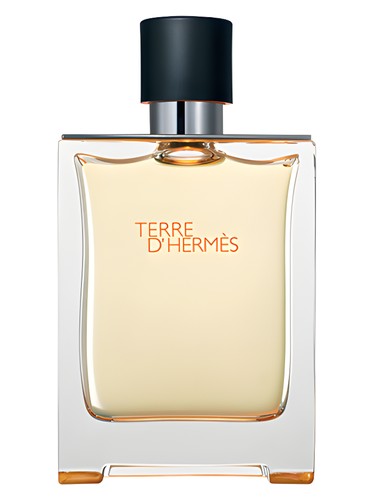
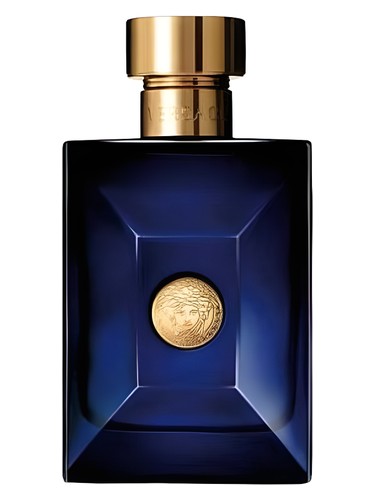
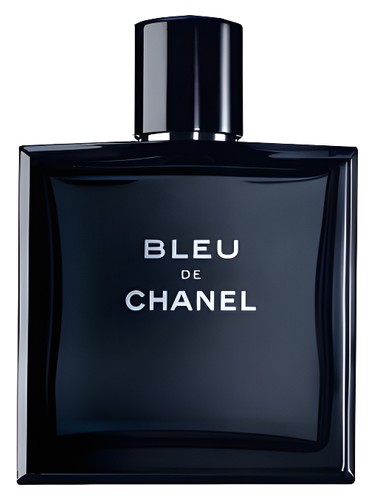
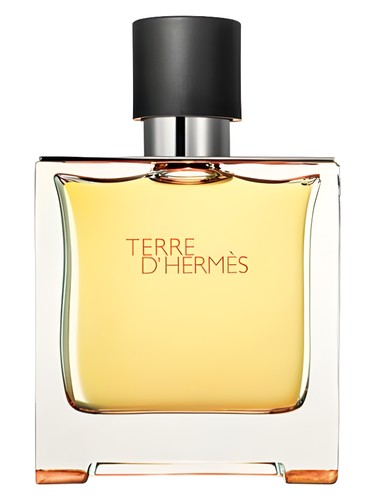
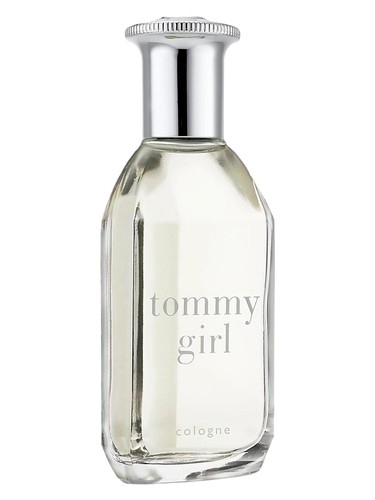
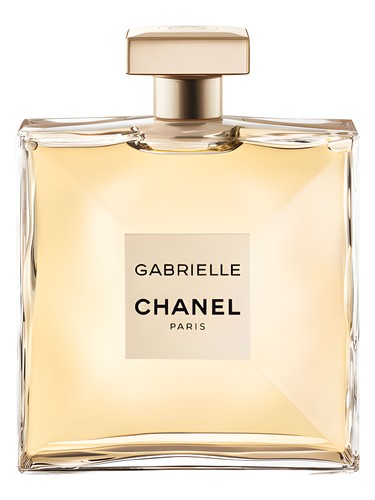
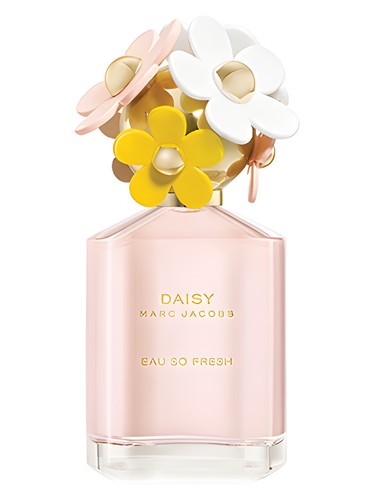
Well-known fragrances with Grapefruit
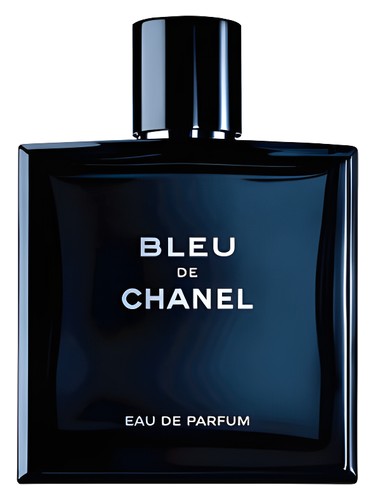
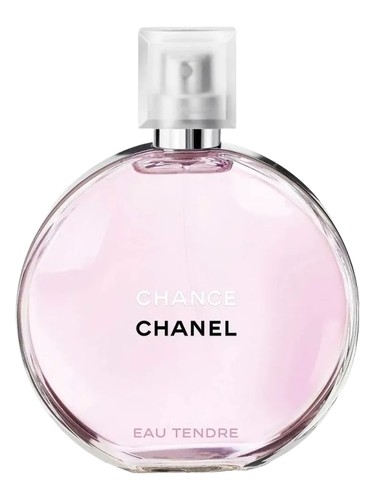
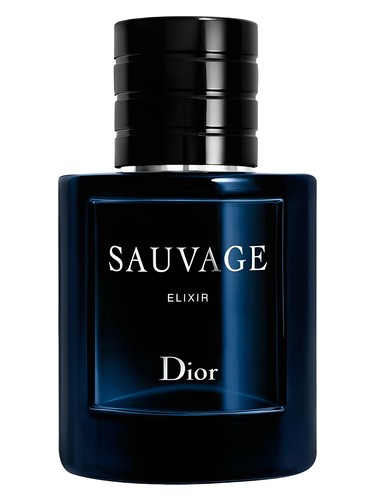
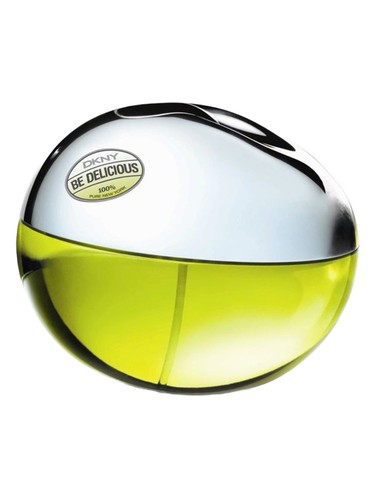
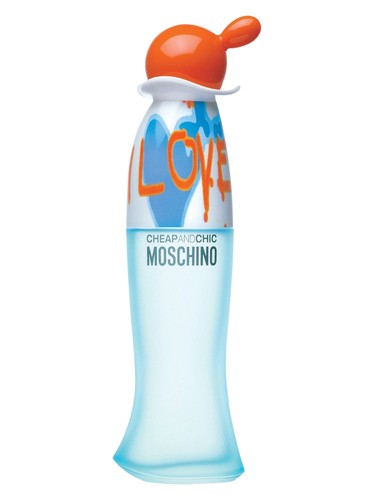
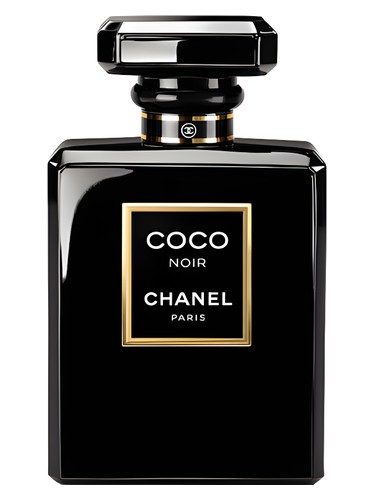
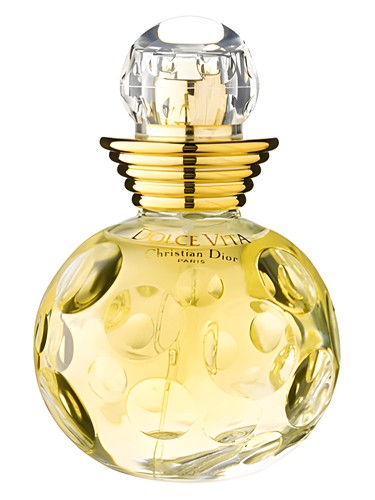
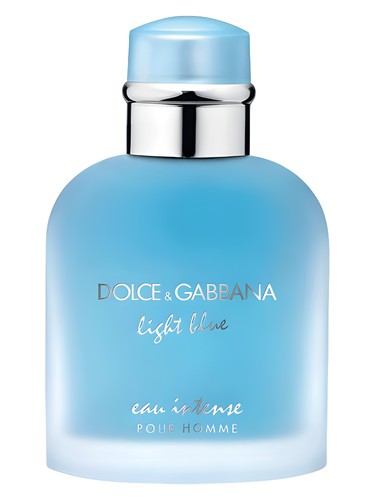
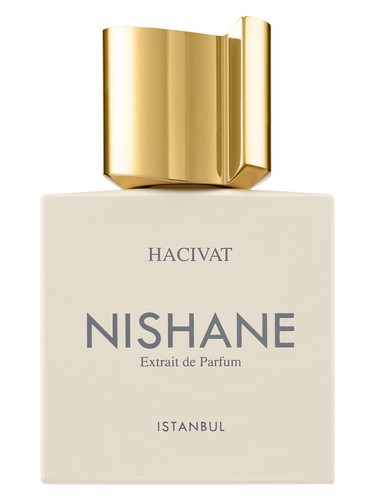
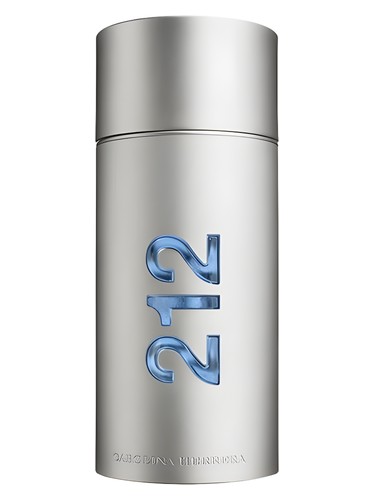
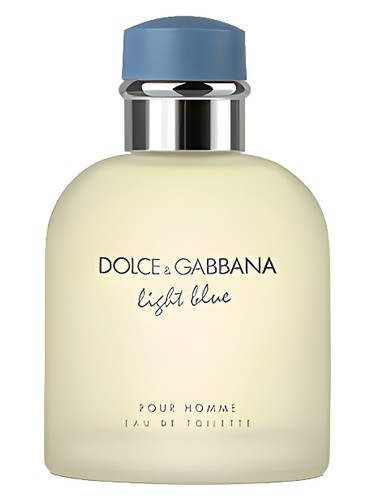
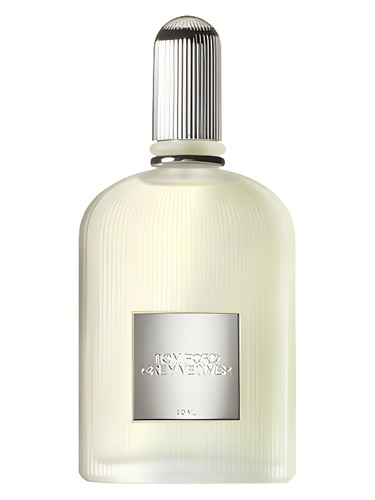
Fragrances that list it in their notes, most-rated first.

Houses that use it most
Ranked by how many of their well-known fragrances list Grapefruit.