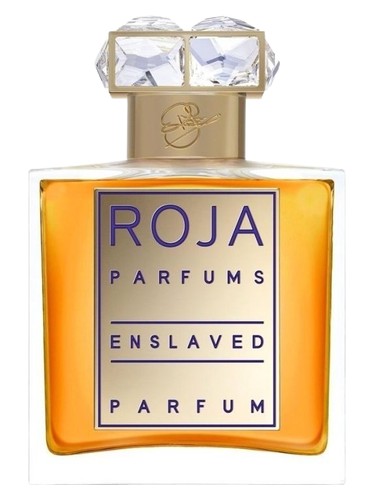
Enslaved
Fragrance notes

Character
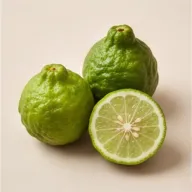
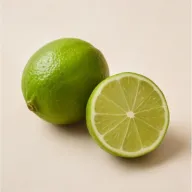
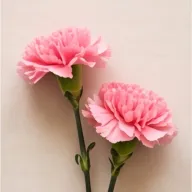
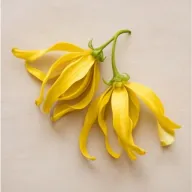
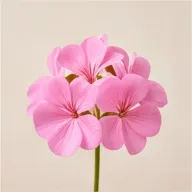
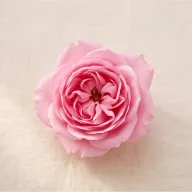
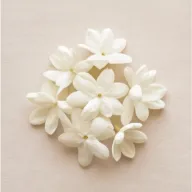
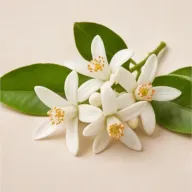
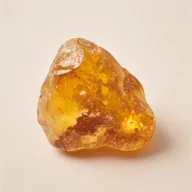
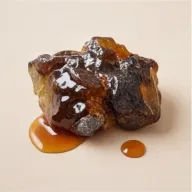
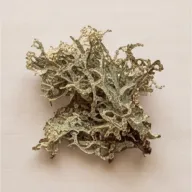
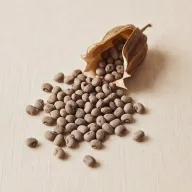
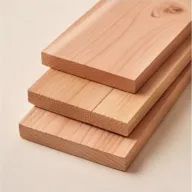
Enslaved opens with a brisk citrus slap: bergamot, lime and lemon are quickly joined by lavender, but this is no gentle fougère. The lavender is stern, almost medicinal, while the citrus zings with a tart, synthetic edge typical of luxury niche houses that can’t resist polishing every facet. Within minutes, the heart erupts in a dense floral bouquet: ylang shares stage with spicy carnation, jasmine and orange blossom push forward, and rose and geranium add a powdery, almost vintage weight. The dry down is where the promise of “oriental” materializes. Amber, labdanum and a creamy, earthy patchouli are anchored by vetiver and oakmoss, while a clean musk and cedar smooth the edges into a warm, slightly dusty base. The overall character is that of a mahogany dresser crammed with silk scarves and dried petals: rich, a little too crowded, but undeniably crafted.
This is a heavy fragrance, leaning sweet with a dark, syrupy amber muskiness and a noticeably synthetic brightness from the top citrus. It feels deliberately old-fashioned, closer to a 1980s power chypre than a modern unisex scent. The performance numbers tell an honest story: longevity is solid (nearly four hours on skin), but sillage is moderate, even with generous spraying. That restraint is a mercy, because the complexity can feel cloying in warmer weather; it truly belongs to fall and winter nights, especially formal dinners or theatre outings. Who wants to smell like a baroque armoire after a cold rain? Those who love classic floral orientals with serious heft. Who should skip: enthusiasts of airy, transparent scents or anyone prone to fragrance headaches. Enslaved is not a rebel; it’s a polished heirloom you wear with caution.
Smells similar
We matched these by the notes each one lists, giving more weight to the unusual ones they share. Sharing materials does not make one a copy of the other.