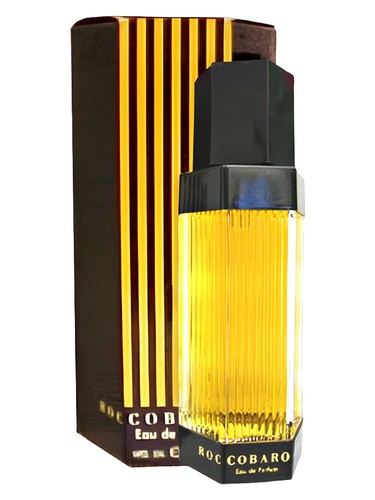
Roccobarocco
Fragrance notes






Character
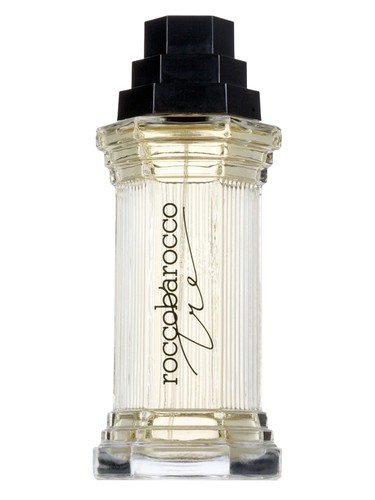
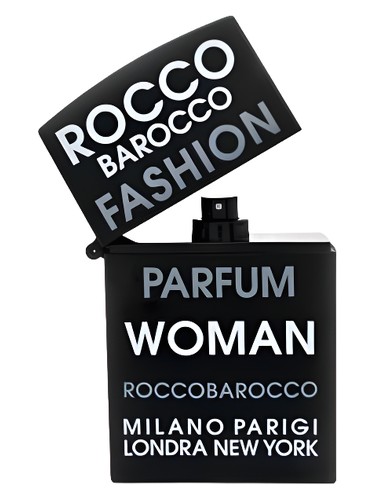
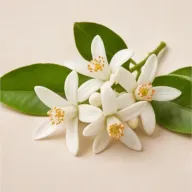
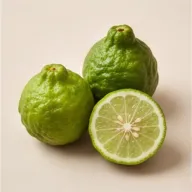
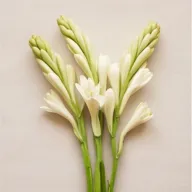
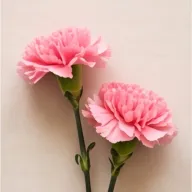
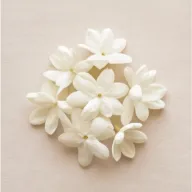
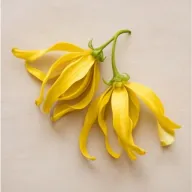
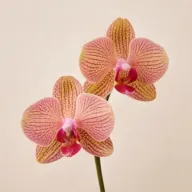
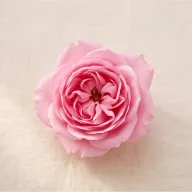
A late-eighties white floral is not a casual accessory. It is a declaration, and Roccobarocco argues that loudness can still be elegant. The opening hits with a bright, slightly oily burst of orange blossom and lemon, softened by peach that leans more golden than sugary. Bergamot adds a sharp edge, but the fruit never dominates for long. The heart is a dense, almost overwhelming garden of tuberose, jasmine, and ylang-ylang, with carnation and narcissus lending a clove-like heat. This is not a sheer, transparent bouquet. It is thick, heady, and deliberate, sitting close enough to be noticed by anyone nearby without needing to fill the entire space.
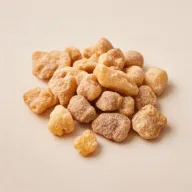
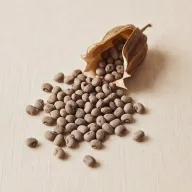
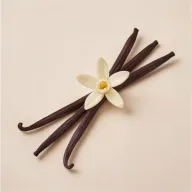
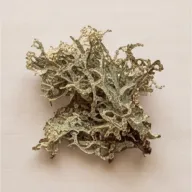
The base reveals why this composition holds its ground. Sandalwood and cedar give the white petals a dry, polished floor to stand on, while benzoin, amber, and vanilla provide a resinous warmth that feels substantial. Oakmoss adds a faintly damp, green shadow that keeps the sweetness from becoming a flat line. The tuberose lingers through these heavier materials, meaning the floral intensity stays present for a significant portion of the day. It wears like a heavy silk scarf in a room that smells of polished wood and expensive soap.
That weight is exactly where the argument meets its limit. Roccobarocco is too dense and too traditionally structured for anyone who prefers modern, airy musks or clean citrus waters. It demands a certain tolerance for indolic flowers and a willingness to occupy a room with a single, unchanging personality. The fragrance does not evolve into something lighter or softer, so wearers who like a gentle drydown will find it stubborn and overwhelming.
Smells similar
We matched these by the notes each one lists, giving more weight to the unusual ones they share. Sharing materials does not make one a copy of the other.