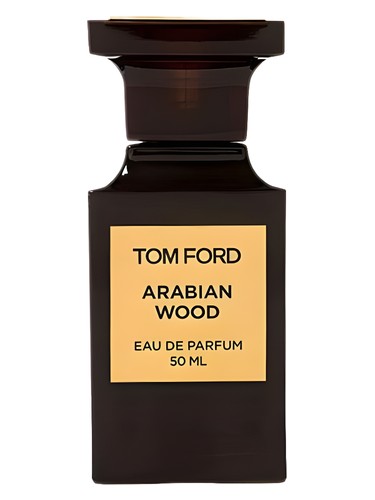
Arabian Wood
Fragrance notes









Character
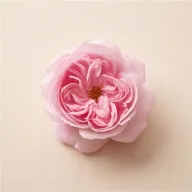
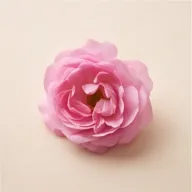
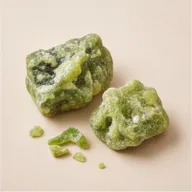
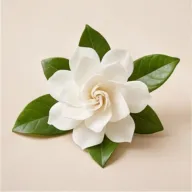
Arabian Wood opens with a sharp citrus flicker, quickly swallowed by a dense, green floral crush. Galbanum and lavender cut through the sweetness, while rose and jasmine unfurl like petals pressed under a heavy lid. The honeyed, almost syrupy heart threatens to tip into cloying territory, but oakmoss and patchouli anchor it firmly into the earth. On skin, the dry down is all weathered wood, tonka’s dusty sweetness, and a whisper of amber that clings to fabric like incense smoke in a quiet room.
This fragrance is a carved cedar chest left open in a sunlit library: polished, aromatic, and full of secrets. It feels natural and rich, not synthetic, though the floral overload can blur into a single sweet haze if oversprayed. With moderate projection and longevity that fades after five hours, it demands reapplication and proximity. It is not a loud statement. It works best in fall and winter, during long evenings or cool spring nights, when the warmth can settle into wool and skin.
Who should wear it? Anyone drawn to chypre’s mossy backbone but willing to wade through a bouquet of white flowers and honey. Skip it if you want crisp, clean minimalism or a beast that announces your arrival from across the room. Arabian Wood is for the patient, for those who let a scent develop slowly and appreciate its quiet, layered finish.
Smells similar
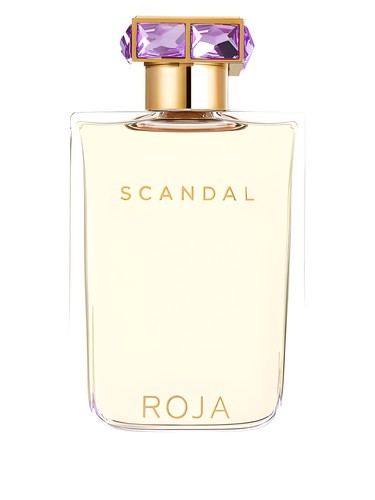
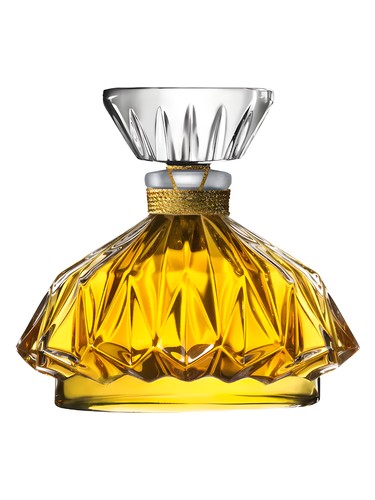
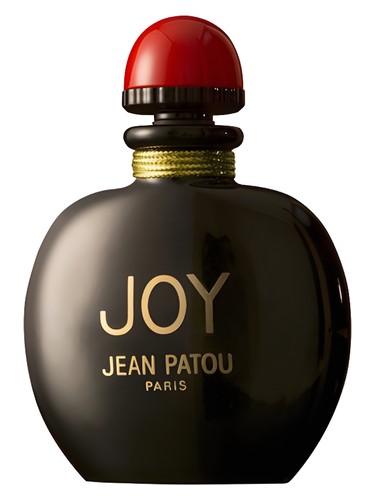
We matched these by the notes each one lists, giving more weight to the unusual ones they share. Sharing materials does not make one a copy of the other.

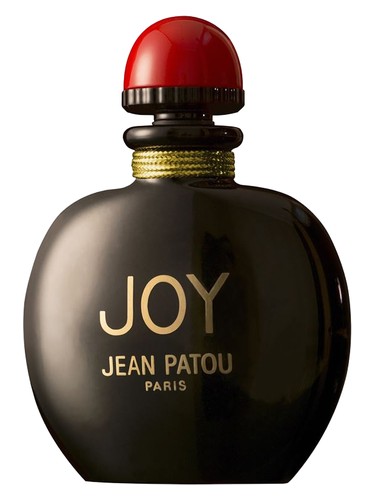
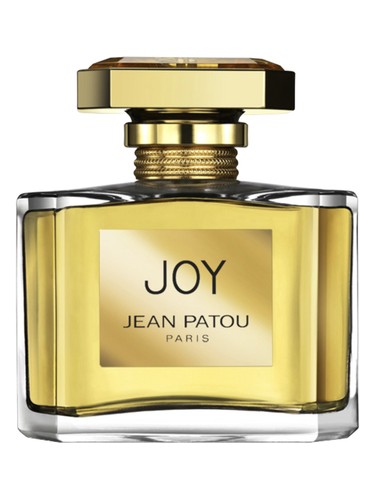
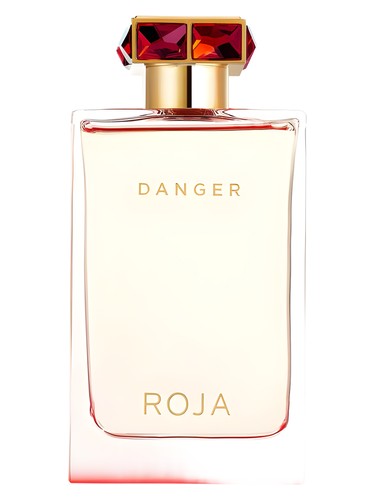
Said to be inspired by Arabian Wood
Some houses publish which fragrance their products are inspired by. We collect those statements, quote them and link the source.
Fragrenza describes Arabian Timber as inspired by Arabian Wood:
“affordable impression of Tom Ford Arabian Wood”fragrenza.com ↗