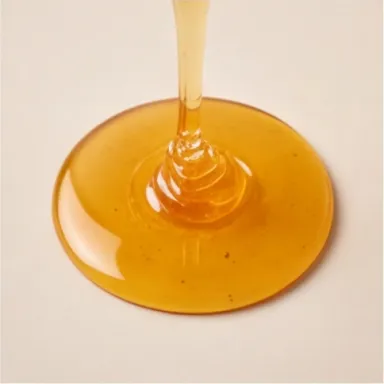
Honey
Sweet, warm syrup with floral richness and a faint waxy, animal-like edge.
You may know it from A jar of honey
Where it comes from
Made from bee-derived extracts or recreated with aroma chemicals.
Worth knowing
It can smell waxy or animal-like, not just sugary.
About honey
Honey is hard to put in a bottle, because heat ruins it. One perfumery glossary points out that honey cannot be steam-distilled, since its sugars caramelize under heat, and describes most honey notes in perfume as constructed accords rather than a single material, so what the label calls honey is usually assembled.
The one natural raw material that does come from the hive is beeswax absolute, a product of the honeycomb of Apis mellifera. It is made by extracting the combs with alcohol. The raw wax itself comes from the cappings cut off the cells during honey extraction, from old comb that is scrapped, or from burr comb, and is rendered to remove impurities. Good Scents lists its character as sweet, honey, balsam, waxy, hay, tobacco and spice. Eden Botanicals, a supplier, describes sweet honey and pollen notes over a green, hay-like body with a mild waxy undertone, and the glossary adds old comb and cured tobacco leaf.
Chemistry explains the animal edge. Phenylacetic acid is described as one of the main compounds behind the flavor of honey, and it has a persistent honey-like odor. The glossary says that in concentration it turns sour, civet-like and almost fecal, and sums the note up as golden on top, animal underneath. A natural perfumer quoted by Cafleurebon says beeswax absolute carries an unusually large amount of it, which that perfumer calls green, floral but urinous. Ethyl phenylacetate is intensely sweet with a pronounced honey character and turns up in trace amounts in natural honey. The glossary lists modern honey accords as methyl phenylacetate for the honey-floral core, ethyl phenylacetate for fruity richness, vanillin, ethyl maltol and coumarin, with beeswax absolute or traces of p-cresol for depth.
Carrement Belle ties the spread of honeyed notes to the golden age of French perfumery at the start of the 20th century, when synthetic chemistry had advanced. In its account, perfumers use them to soften floral bouquets or to bring a warm, animalized touch to oriental and chypre structures. Cafleurebon names Guerlain's Champs-Elysees (1904) and Nahema (1997) among fragrances that feature beeswax or honey.
Accords it shows up in
How many of the fragrances listing Honey in our catalogue also carry each accord. We counted this ourselves.
Often paired with
The notes that appear next to Honey most often in our catalogue.










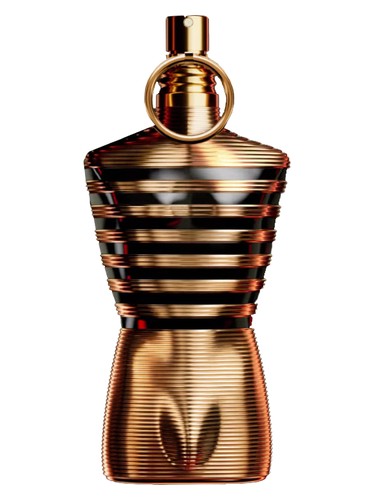
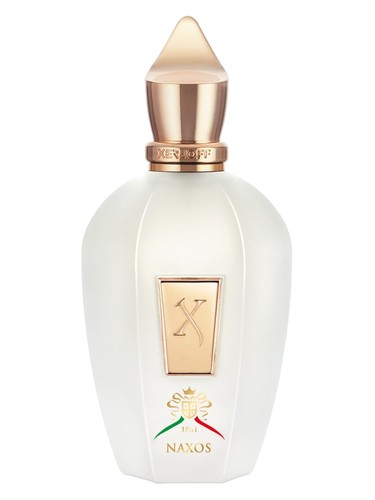
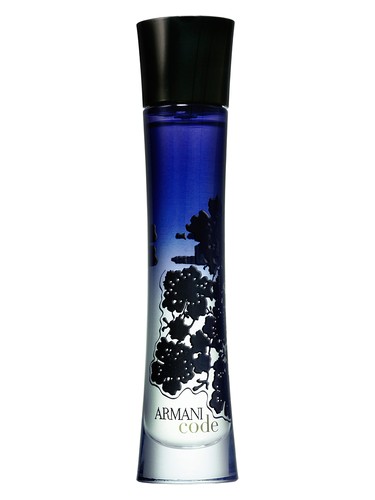
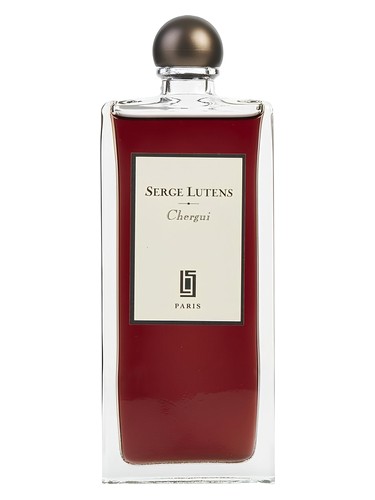
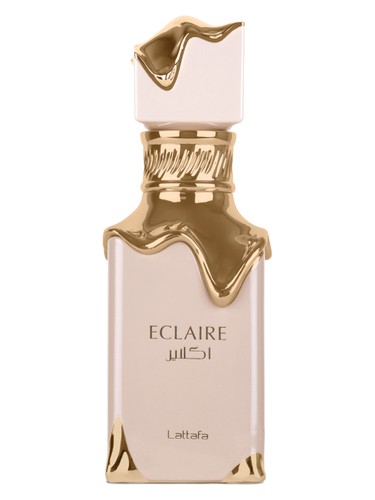
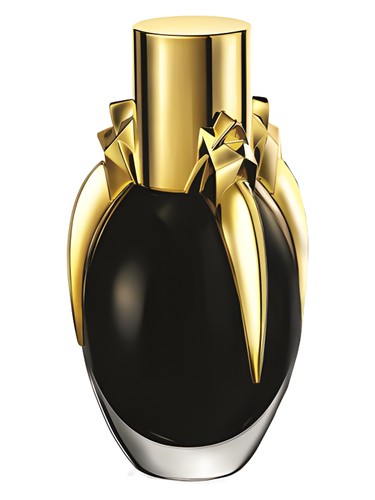
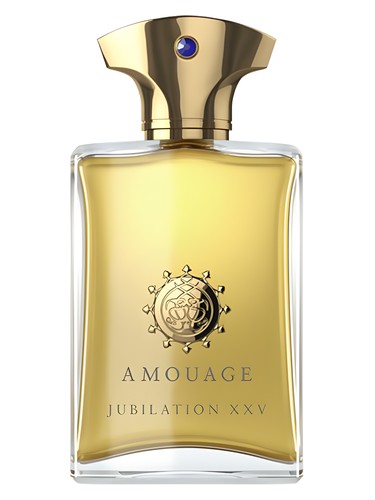
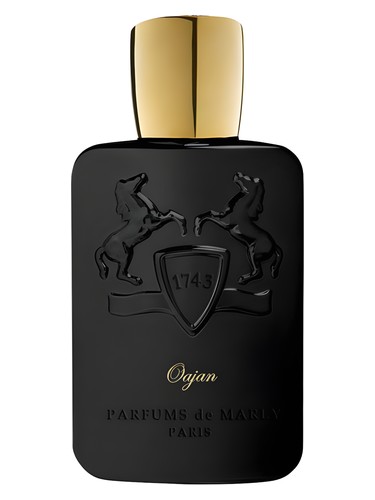
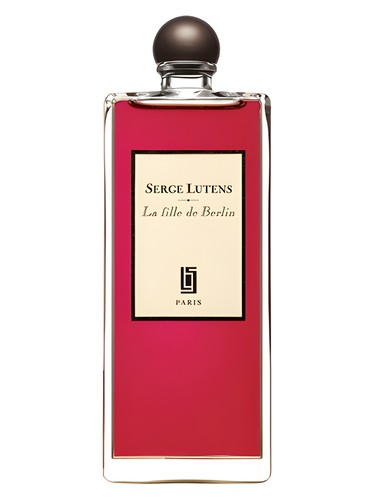
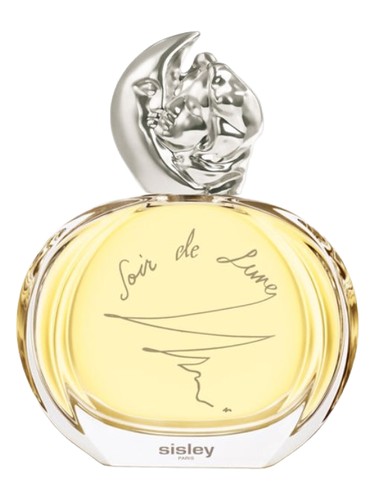
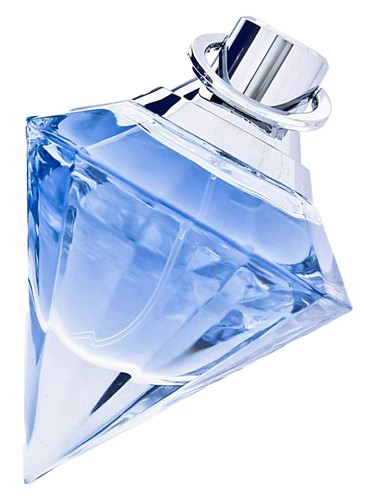
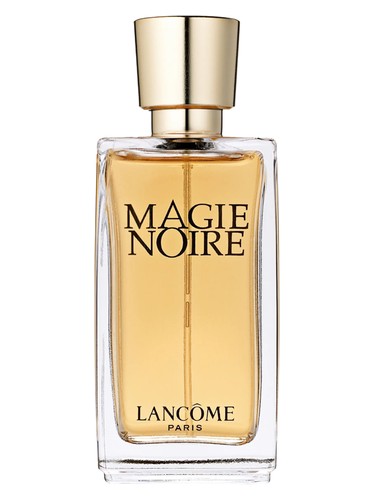
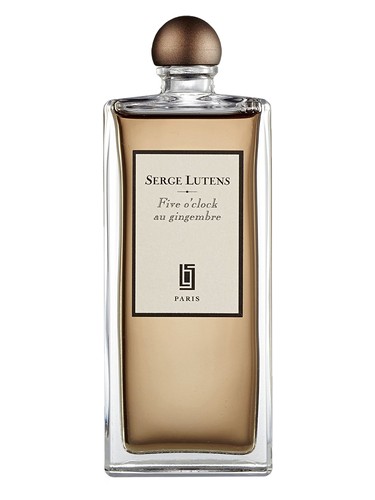
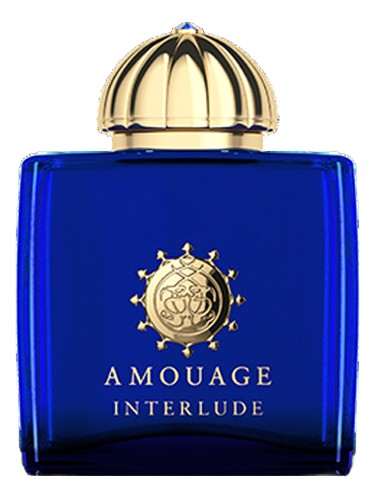
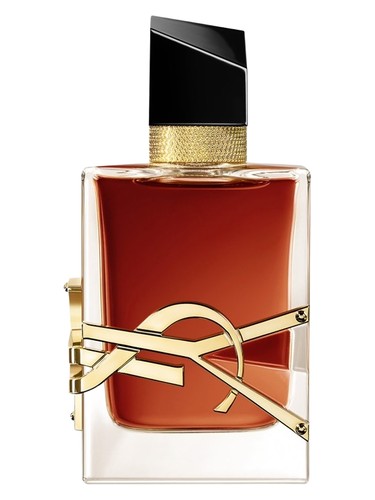
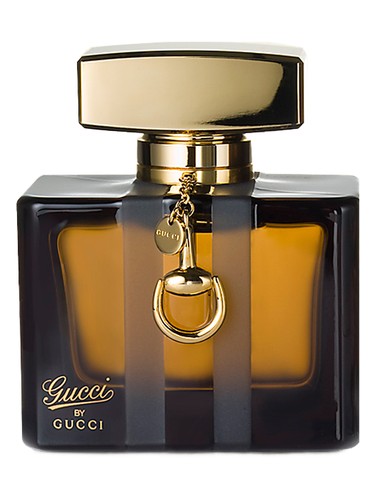
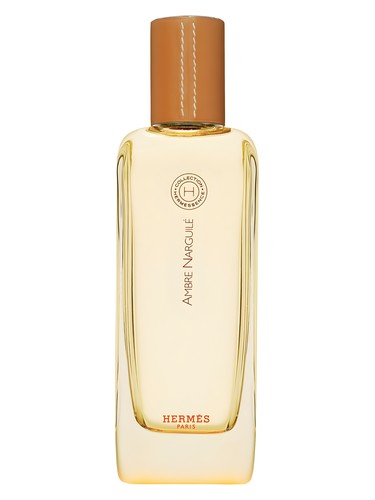
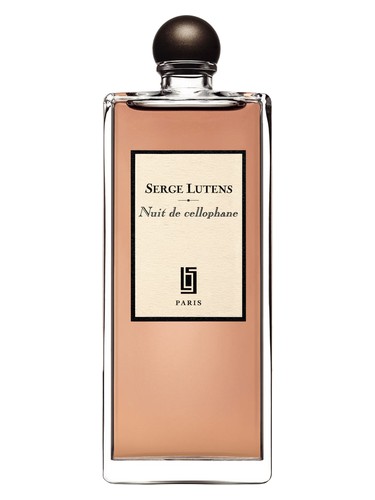
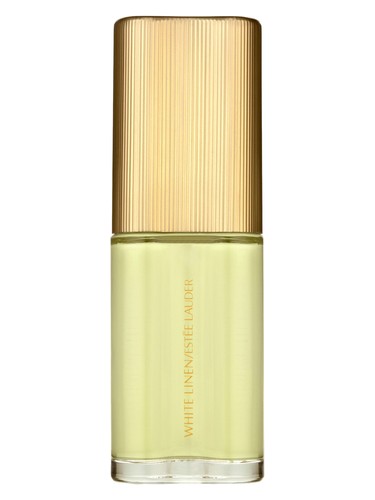
Well-known fragrances with Honey
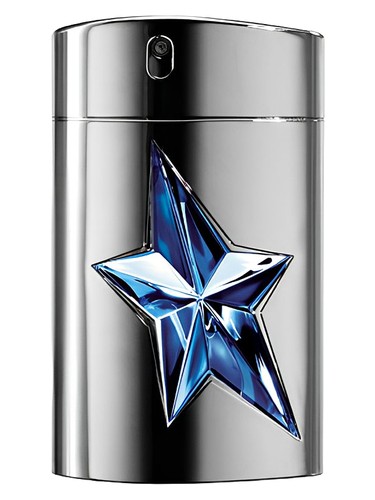
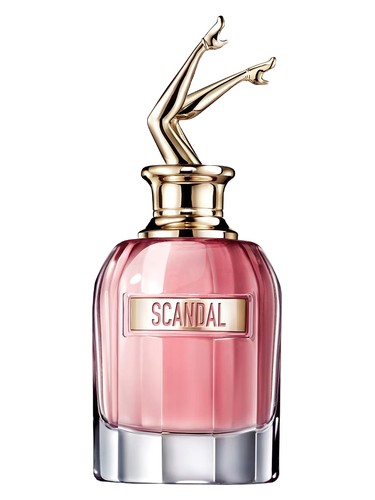
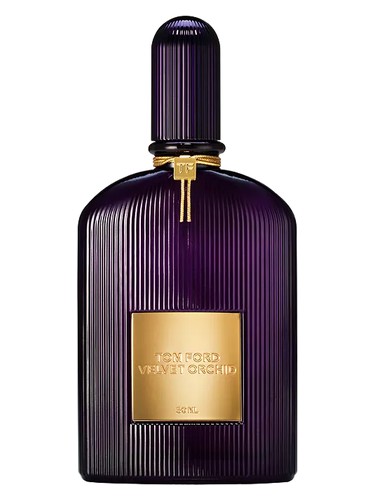
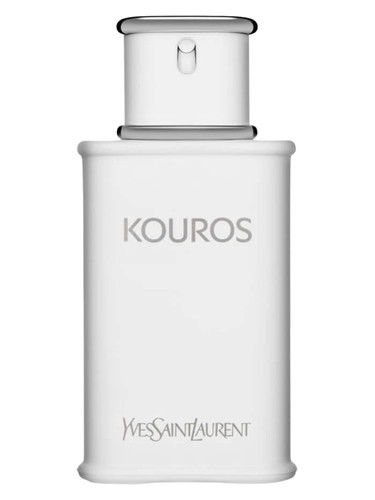
Fragrances that list it in their notes, most-rated first.
Houses that use it most
Ranked by how many of their well-known fragrances list Honey.